
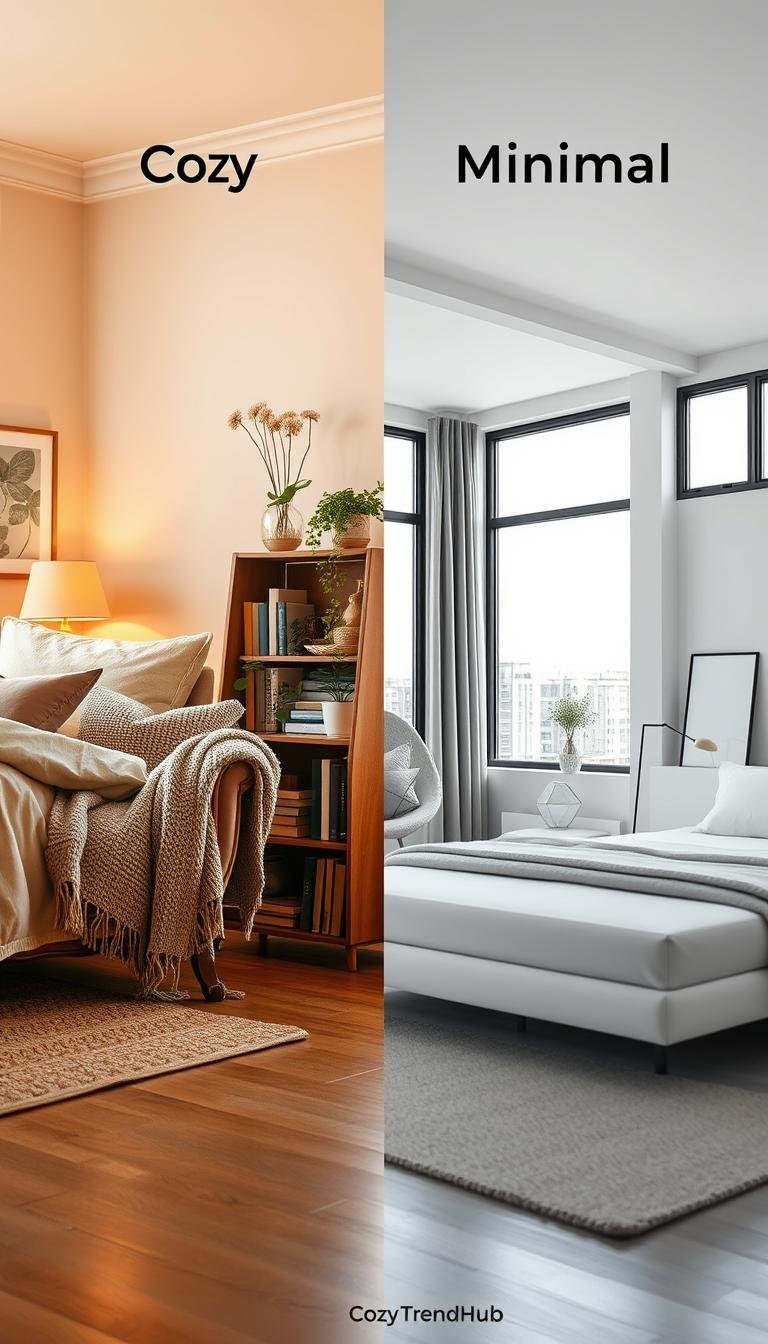
This guide lays out a clear A vs. B choice between cozy and minimal approaches so readers can pick what helps them rest easier. It defines how each style changes daily comfort, upkeep, and readiness for sleep.
The guide solves three common problems: a room that feels cold or stressful, a room that feels cluttered and hard to relax in, and the mix of both. It shows renter-friendly fixes like plug-in lighting and removable decor, plus small-space moves like under-bed storage and zoning.
Readers will get quick self-checks, copy-and-paste ideas, and a buying guide with what to skip to avoid wasted money. It previews side-by-side tables on maintenance, budget, dust/allergens, and sensory comfort, and product blocks labeled “best for” use cases — hot sleepers, allergy-sensitive sleepers, studio apartments, and busy households.
Practical results depend on light, layout, and habits. The goal is a room that supports rest and a smoother wind-down routine. For more small-room decor ideas, see small-room decor ideas.
Key Takeaways
- Clear choice: Cozy adds texture and warmth; minimal reduces clutter and visual noise.
- Guide solves cold/stressful or cluttered spaces with renter-friendly, small-space solutions.
- Includes quick checks, copy-ready setups, and a buying guide to avoid wasteful purchases.
- Will feature side-by-side tables for maintenance, budget, allergens, and comfort.
- Product picks framed as “best for” real use cases to match needs and space limits.
Cozy vs minimal bedrooms: which mood fits your sleep, space, and lifestyle?
Your best design depends less on trends and more on how you use the room each day. Choose warmth when you need an enveloping, restful retreat. Choose clarity when you need low upkeep and easier focus.
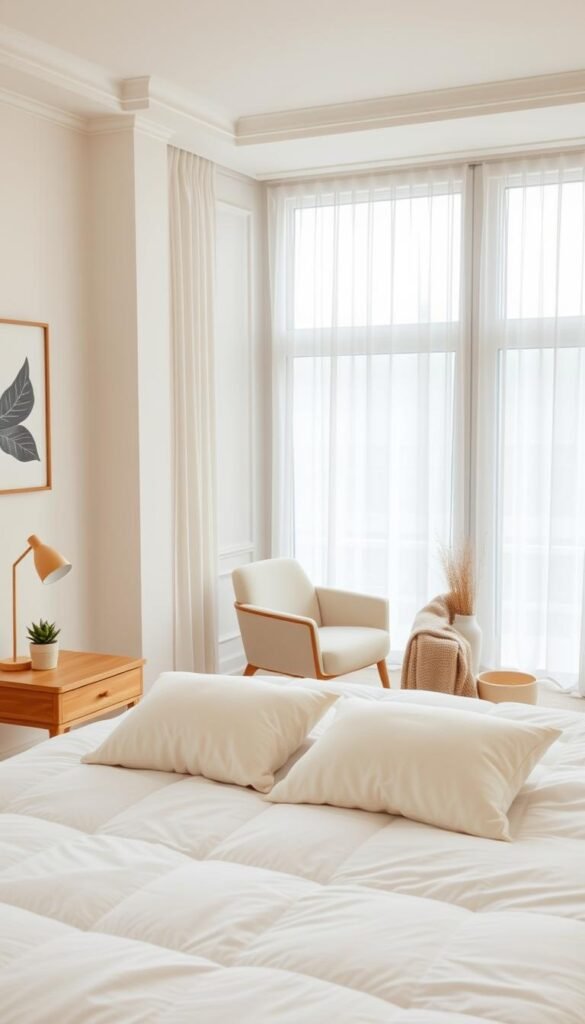
Best for warmth, comfort, and a cocoon-like atmosphere
Who benefits: People who feel their space is emotionally cold, have trouble winding down, or want layered bedding and soft textiles to add comfort.
Buy-first: Rugs, throws, layered bedding, warm lighting and accent color pieces. Expect higher spend on textiles.
Best for calm focus, visual clarity, and easy upkeep
Who benefits: Busy households, those overwhelmed by visual clutter, or anyone with limited time for cleaning.
Buy-first: Streamlined furniture, hidden storage, and a neutral palette to reduce visual noise and stress.
Real-world constraints in U.S. homes and apartments
Rentals with no-paint rules, small closets, mixed-use rooms, or carpet vs hardwood affect choices. A minimal base plus a few cozy touches often fits tight spaces best.
- Quick checklist: Warmth vs clarity • sensory comfort vs visual calm • textiles vs storage.
- Buyer note: Cozy spends on textiles; minimal spends on storage and multi-use furniture.
| Factor | Cozy | Minimal |
|---|---|---|
| Maintenance | Moderate (textiles) | Low (storage) |
| Allergens/dust | Higher (rugs, throws) | Lower (fewer surfaces) |
| Budget focus | Textiles & lighting | Furniture & organizers |
| Small rooms | Layered textiles, zoned lighting | Clear pathways, hidden storage |
Practical tip: Many rooms work best as a „cozy-minimal“ hybrid: a pared-down base with warm light and one or two layered bedding pieces for relaxation. For product ideas that lean cozy, see best cozy decor picks.
Bedroom mood comparison: what actually changes how a room feels
Four simple levers—color, clutter, lighting, and visible items—control how a room reads and how a person winds down.
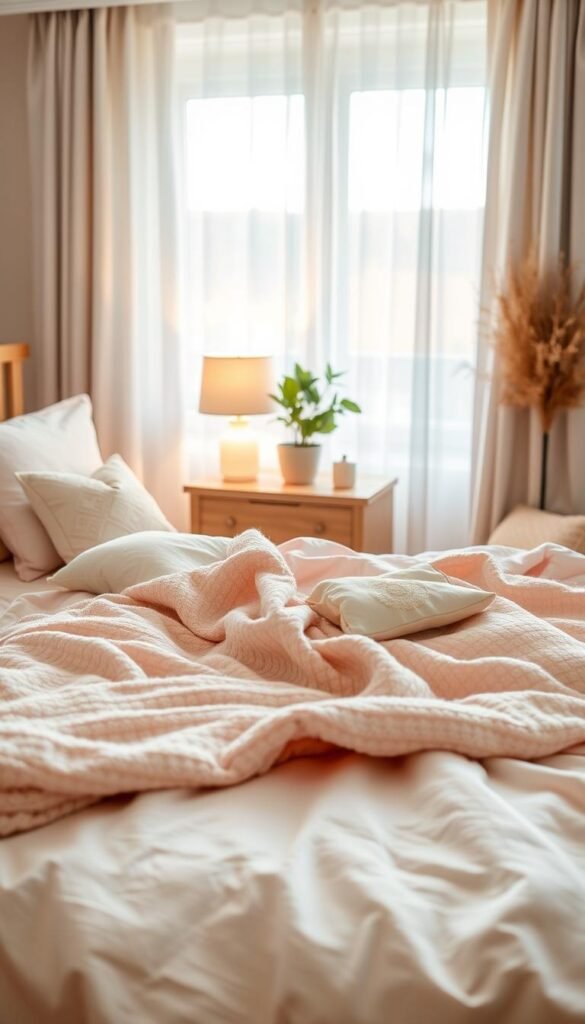
Color basics: which shades calm and which energize
Cool colors like soft blues and sage green tend to lower heart rate and encourage calm. Warm neutrals—ivory, sand, taupe—offer a flexible base that reads restful under most light.
Warm hues such as terracotta, blush, and sun‑kissed yellow add energy and a sense of warmth. Remember: the same color shifts with light and facing; north-facing walls often benefit from warmer tones.
Clutter, layout, and stress
Environmental studies link clutter to higher stress and raised cortisol. Simple layout rules help: clear paths around the bed, limit “drop zones,” and reduce exposed surfaces that collect visual noise.
Lighting and circadian rhythm
Daylight early in the day supports circadian health. At night, dimmers and warm bulbs reduce blue light that suppresses melatonin. For renters, plug-in lamps and smart bulbs offer low-commitment upgrades.
Personal items without overload
Choose a few meaningful objects. One framed photo, one art piece, and one memory item make a space feel personal without clutter. This balance increases perceived control and comfort.
| Lever | Cozy use | Minimal use |
|---|---|---|
| Color / shades | Warm hues, deep accents | Warm neutrals, pale tones |
| Lighting / light | Layered warm lamps, dimmers | Bright daytime light, simple task lamps |
| Layout / clutter | Textured zones, tidy storage | Clear pathways, hidden storage |
| Personal items | Selective display of few pieces | Minimal, meaningful objects only |
For renter-friendly decor swaps and plug-in ideas that lean cozy, see cozy living room decor ideas.
Cozy bedroom ideas that solve “my room feels cold or stressful”
Small, targeted swaps can turn a cold room into a restful retreat without a full remodel.
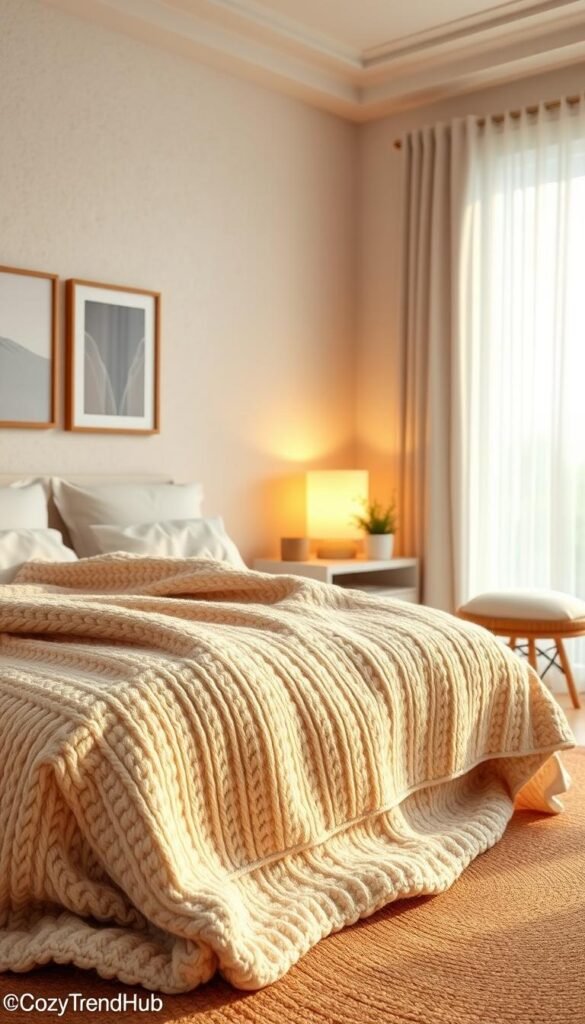
Layered bedding for warmth without overheating
Start with breathable linen and cotton layers to add warmth without trapping heat. Use a light duvet, a linen coverlet, and a cotton throw to adapt by season.
Best for: Cold sleepers who need warmth; hot sleepers should favor lightweight linen and removable layers.
Textured rugs to soften cold floors
Add an area rug to reduce echo and give soft landing at the bed. Choose low- to mid-pile for easy vacuuming in small rooms.
Best for: Cold floors and echo-y rooms; avoid high-pile shag if allergies are a concern.
Warm lighting upgrades for renter-friendly glow
Plug-in bedside lamps or wall sconces with warm, dimmer-friendly bulbs cut harsh glare. Use bulbs labeled 2700K–3000K for a calming light.
Best for: Renters without hardwiring and anyone needing better wind-down light.
Color accents that add coziness fast
Swap pillow covers and a throw in warm neutrals, blush, terracotta, or deep plum for instant warmth. These accents warm the bed wall without repainting.
Best for: Quick wins when paint isn’t an option and small rooms that need a focal tone.
Quiet storage that still feels homey
Use lidded baskets, under-bed bins, and soft-close organizers to hide clutter and keep surfaces calm. Match textures to bedding for a collected look.
Best for: Small spaces and busy households that need tidy, accessible storage.
Buyer guidance: Prioritize quality bedding and warm lighting first; add rugs and storage next. What to skip: overly heavy comforters for hot sleepers, shag rugs for allergy-prone rooms, and many tiny decor pieces that create visual clutter.
| Problem | Cozy fix | Best for |
|---|---|---|
| Cold, echo-y floors | Low- to mid-pile area rug | Cold floors, small rooms |
| Harsh overhead light | Plug-in lamps or sconces with warm bulbs | Renters, wind-down routine |
| Room feels sterile | Layered linen and cotton bedding | Cold sleepers, seasonal layering |
| Visible clutter raises stress | Lidded baskets, under-bed storage | Busy households, small spaces |
For neutral, warm decor ideas that pair well with these cozy moves, see best neutral decor.
Minimal bedroom ideas that solve “my room feels cluttered and hard to relax in”
A clear, pared-back plan can turn a cluttered room into a calm, easy-to-maintain space. The minimal goal is visual clarity that lowers decision fatigue and makes daily resets fast. This approach works well for busy schedules, ADHD or overstimulation, and small-space living.
Neutral palette foundations
Palette: warm greige, ivory, and slate gray cut visual noise and create a steady backdrop. Choose shades with soft undertones to avoid a sterile atmosphere. Add one controlled texture—woven throw or matte headboard—to keep the space from feeling flat.
Simple, luxe bedding
Crisp white or sand-taupe bedding in a hotel-style stack looks tidy and washes easily. One lightweight throw adds warmth without clutter. Best for: allergy-aware buyers who need fewer fabrics and easier laundering.
Space-editing layout shifts
Clear pathways and fewer surfaces reduce visual distractions. Remove extra side tables, keep one landing zone, and simplify the bed wall with a single art piece or shelf.
Closed storage for instant calm
Choose streamlined dressers, under-bed bins, and a small floating shelf to hide daily items. This is renter-friendly and makes maintenance faster.
Minimal lighting that works day to night
Layer soft ambient light with a focused task lamp for reading. Avoid harsh overhead-only light and ultra-cool bulbs that make the atmosphere feel clinical.
What to skip: too many open shelves, ultra-cool lighting, and decorative pieces without storage plans. Pros/cons: Minimal is easier to clean and style but needs warm tones and texture to avoid feeling cold.
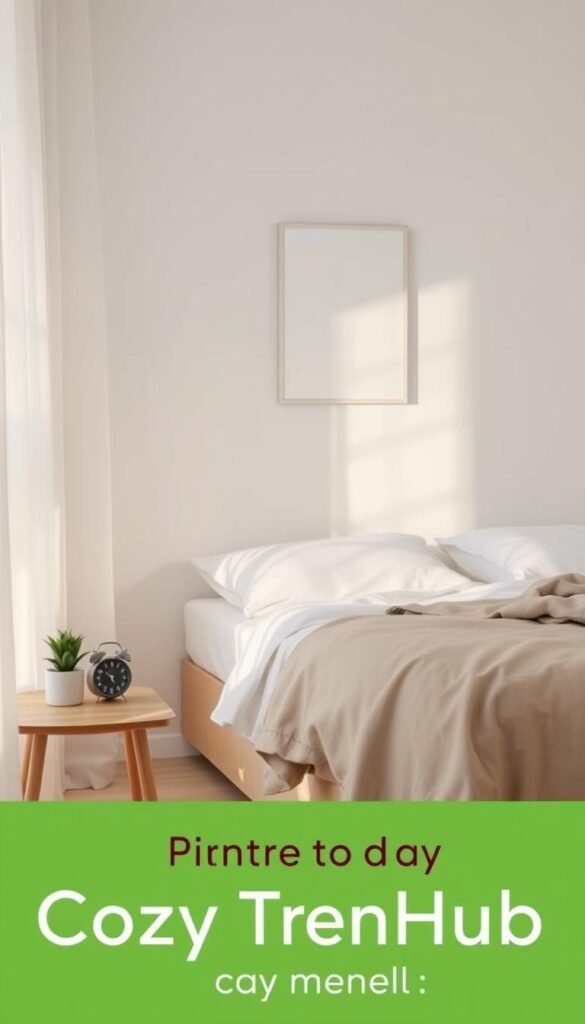
Renter-friendly upgrades for cozy or minimal bedrooms (no paint, low commitment)
Small swaps can change how a space feels without risking a lease violation. Renters can shift a room’s atmosphere with peel-and-stick surfaces, textiles, and plug-in lighting. These fixes address common problems: cannot paint, poor light, a plain wall, or seasonal shifts.
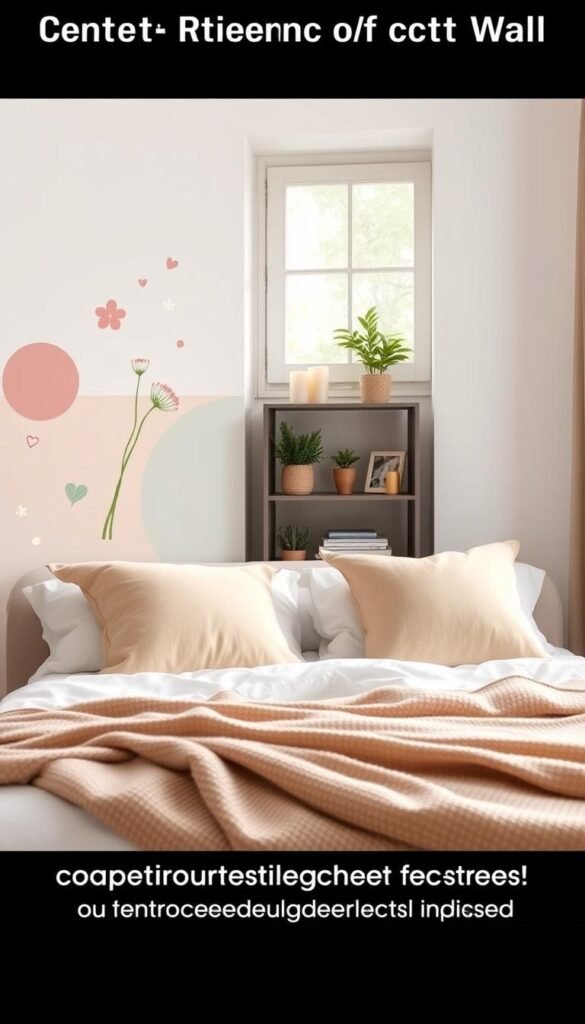
Peel-and-stick wallpaper and removable decals
Best for: renters who want a temporary accent wall behind the bed. One patterned wall transforms the look of the whole room without painting.
Pick low-contrast patterns for a minimal style. Choose organic, warmer patterns for a cozy look. Check adhesive notes and test a small patch before full application.
Swap-only textile updates
Change duvet covers, throw blankets, curtains, and pillow covers to update colors and textures fast. This is the easiest route for seasonal color changes and limited budgets.
Buyer tips: measure bed sizes, pick washable fabrics, and prioritize room-darkening curtains if early day light disrupts sleep.
Plug-in lighting and smart bulbs
Use plug-in sconces, floor lamps, and smart bulbs to shift light from bright morning tones to warm evening glow. Warm light at night supports winding down; brighter light in the morning helps alertness.
What to skip: permanent fixtures that violate lease terms, overly busy wall patterns in small spaces, and cool blue bulbs at night.
| Problem | Renter-friendly fix | Best for |
|---|---|---|
| Cannot paint walls | Peel-and-stick wallpaper or decals | Temporary accent wall, small rooms |
| Poor lighting | Plug-in sconces + smart bulbs | Wind-down routine; morning alertness |
| Seasonal or boring look | Swap duvet covers, throws, curtains | Quick seasonal refreshes, rental-friendly |
| Busy patterns risk visual clutter | Low-contrast patterns or solid accents | Minimal style, small spaces |
For renter-safe decor ideas and examples, see temporary accent wall ideas.
Small-space and multi-use bedrooms: choosing a mood that supports sleep and focus
Small rooms often need to serve work and rest at once, so design must cut friction and support both tasks.
Tradeoff summary: a single space should reduce maintenance and lower daily decision load. Organized spaces improve concentration and reduce stress. The right setup protects sleep while keeping work practical.
When minimal helps concentration
Choose minimal if work happens in the room, distractions are frequent, or quick daily resets matter. Fewer surfaces and clearer sightlines make the space easier to tidy and keep focus high.
When cozy supports relaxation
Choose cozy if evenings demand a soft decompression zone. Layered textiles, warmer light, and one tactile rug help reduce stress and make winding down easier without adding clutter.
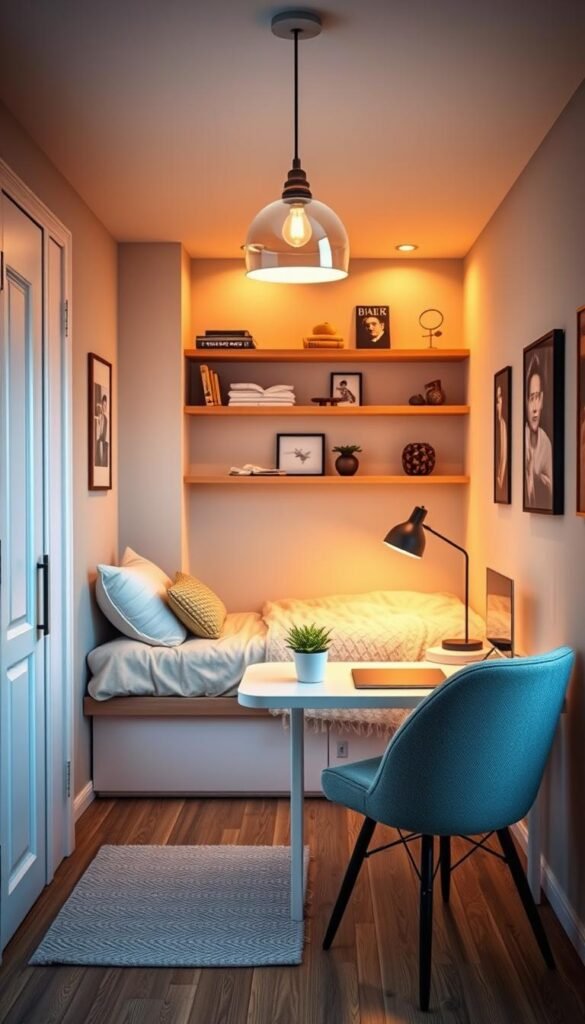
Zoning with light and textiles
Define the sleep area with a rug and softer textures. Place a task lamp or directional light at the work nook. Separate “on” vs “off” modes with distinct fixtures and simple routines.
Storage-first buying for tight spaces
Prioritize storage beds with lift-up platforms or under-bed bins. Choose narrow nightstands with drawers and multi-use furniture that earns its footprint. Measure clear pathways first—leave space to move around the bed.
| Minimal | Cozy | |
|---|---|---|
| Focus | High | Moderate |
| Reset time | Fast | Moderate |
| Storage needs | Hidden, streamlined | Textured bins, layered |
| Seasonal flexibility | Easy swaps | Layer additions |
Lighting tip: Use brighter task light for daytime work and warm, dim lighting in the evening to support sleep readiness.
For practical wellness-focused design rules and sleep-friendly layout ideas, see the wellness home reset and guidance on how to design a bedroom for better sleep.
Buying guide: what to shop for in each style (pros, cons, and what to skip)
Smart shopping narrows choices so each purchase improves function and atmosphere. Below are two concise, affiliate-ready lists, quick pros/cons, seasonal swaps, and health checks to shop with confidence.
Cozy shopping list (best for warmth and texture)
- Layered bedding: breathable duvet + light coverlet. Best for cold sleepers and seasonal flexibility. See a full bed guide bed buying guide.
- Warm-toned lighting: plug-in lamps, 2700K–3000K bulbs. Best for wind-down routines and renters.
- Textured accents: tactile throws, low- to mid-pile rug, woven baskets. Best for softening floors and adding visual warmth.
- Controlled accent colors: one or two warm shades (terracotta, deep plum) to avoid chaos.
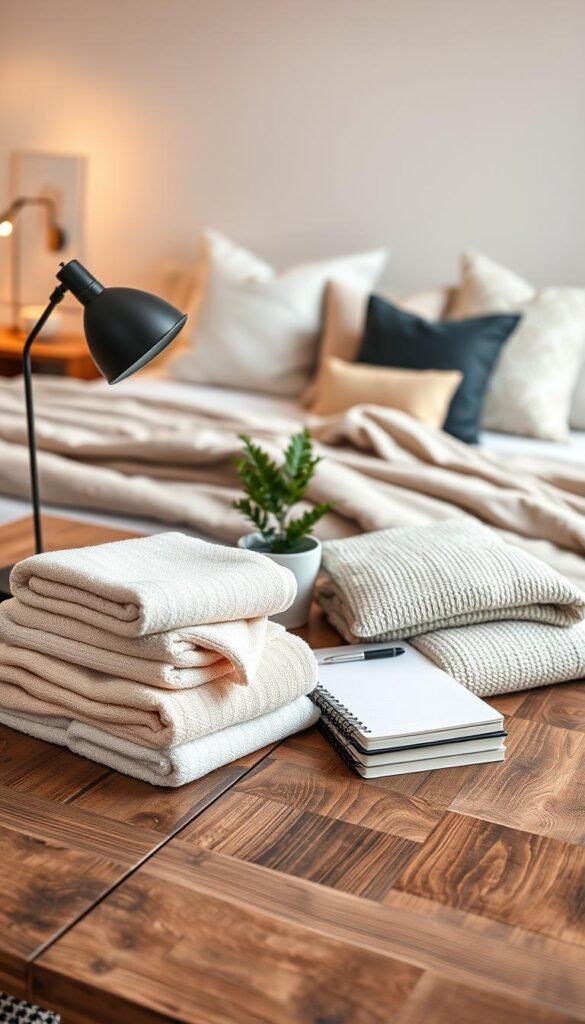
Minimal shopping list (best for clarity and low upkeep)
- Streamlined furniture: narrow nightstand, clean-lined dresser, compact headboard. Ideal for small homes.
- Neutral bedding palette: sand, ivory, or greige linens for easy laundering.
- Hidden storage: under-bed bins, closed shelving, multi-use furniture to hide clutter.
Quick pros & cons
| Factor | Cozy | Minimal |
|---|---|---|
| Maintenance | Higher (textiles, laundry) | Lower (closed storage) |
| Budget focus | Textiles & lighting | Furniture & organizers |
| Allergens/dust | Higher (rugs, throws) | Lower (fewer surfaces) |
| Sensory comfort | High softness | High clarity |
Seasonal strategy & health checks
Seasonal swaps: change duvet weight, add/remove a throw, swap pillow covers, and shift bulb warmth—no redecorating required. For neutral decor mixes that pair well with seasonal swaps, see best cozy decor mix.
Health checks: choose breathable cotton or linen bedding, test paint samples, or use peel-and-stick renter options. Prefer low-VOC paints when painting is possible. Use bright, cooler light in the day and warm, dim light at night to support sleep.
„Prioritize function: buy items that earn their place and skip trendy pieces that only add clutter.“
Conclusion
A clear decision—warmth or clarity—makes every subsequent choice faster and cheaper.
Choose cozy to add warmth and soften stress signals, or choose minimal to cut clutter and support calmer focus. The best pick depends on sleep needs, available space, and lifestyle—especially in U.S. apartments with storage limits or lease rules.
Quick next steps: pick a palette, fix lighting first, add hidden storage, then place one finishing layer (rug or throw) to complete the look. Measure the room and bed area before buying rugs, nightstands, or storage to keep pathways clear.
Renters should start with swap-only textiles and plug-in lighting, then try removable walls. For design evidence on color, light, and environment impact, see this design impact study.
Final check: pick solutions that match laundry habits, dust sensitivity, and time for upkeep. Do a quick „keep vs remove“ scan: keep a few personal items that bring comfort; store the rest to protect relaxation.