
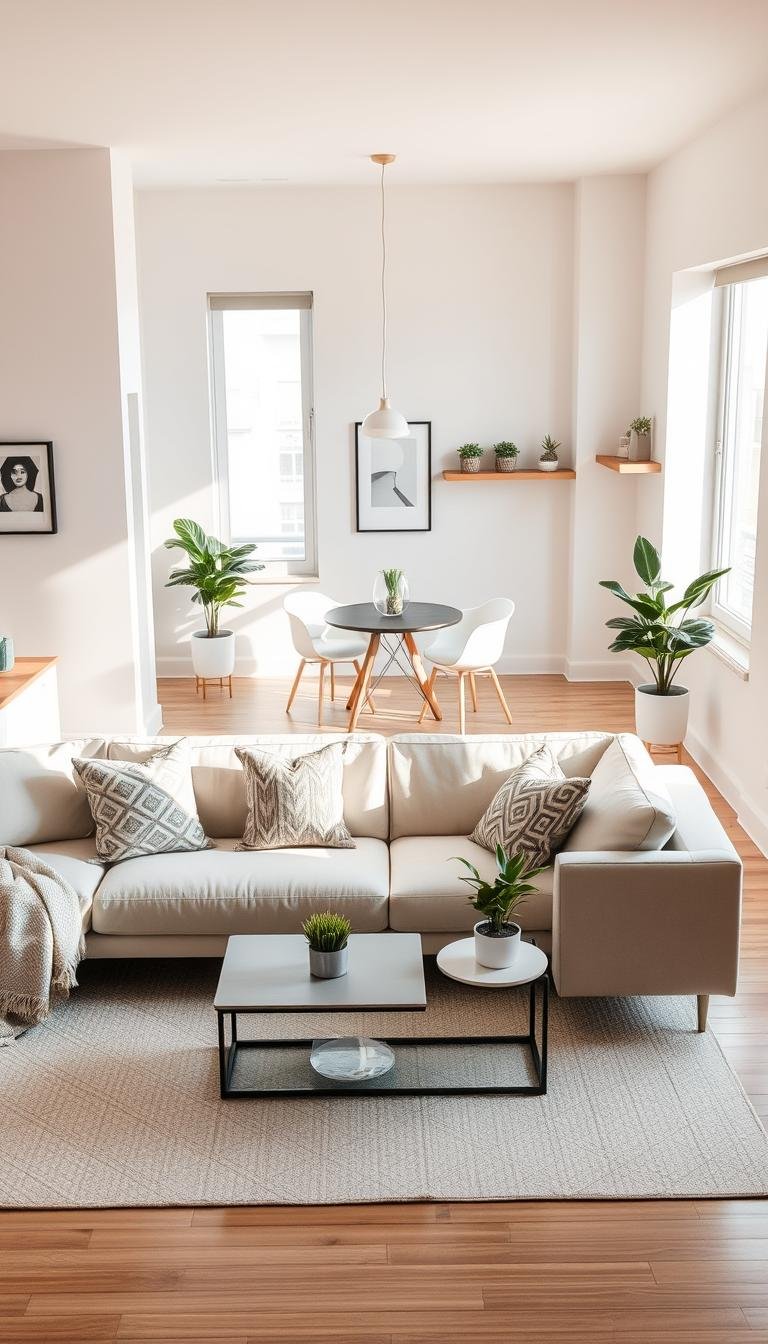
Small rooms often feel tight due to clutter, low light, or furniture that overwhelms sightlines. Thoughtful furnishings, measured color choices, and smart organization change that fast. As designer Amie Corley says, “covering everything in one color actually keeps a small space feeling more open because your eye doesn’t get cut off anywhere.”
This introduction frames clear problems—dark corners, awkward nooks, cramped dining setups, and limited floor area—and offers practical, renter-friendly solutions readers can buy and use now. The guide focuses on visual weight: fewer, lighter-looking pieces beat many tiny items when aiming for openness.
The article is organized by problem first, then by room: living room, dining, bedroom, kitchen, and entry. Each recommendation lists who it suits, what to measure, and tradeoffs so buyers can compare wall-mounted vs freestanding, open vs closed storage, and portable vs built-in options.
Find quick checks, shopping principles, and setup tips to turn a tight room into a breathing space that works for everyday life and seasonal updates. See practical product comparisons and buying advice at cozytrendhub.
Key Takeaways
- “Feels open” means clearer walkways, less visual clutter, and better light bounce.
- Focus on visual weight: choose fewer, lighter-looking pieces.
- Recommendations prioritize renter-friendly and seasonal options.
- Each pick includes who it’s for, measurement guidance, and pros/cons.
- Compare categories like wall-mounted vs freestanding and open vs closed storage.
How to Choose Decor That Makes a Small Room Feel Bigger
Start by spotting the single constraint that limits a room—poor light, too much stuff, or a choppy layout—and target that issue first. A focused diagnosis prevents needless purchases and fixes the real problem.
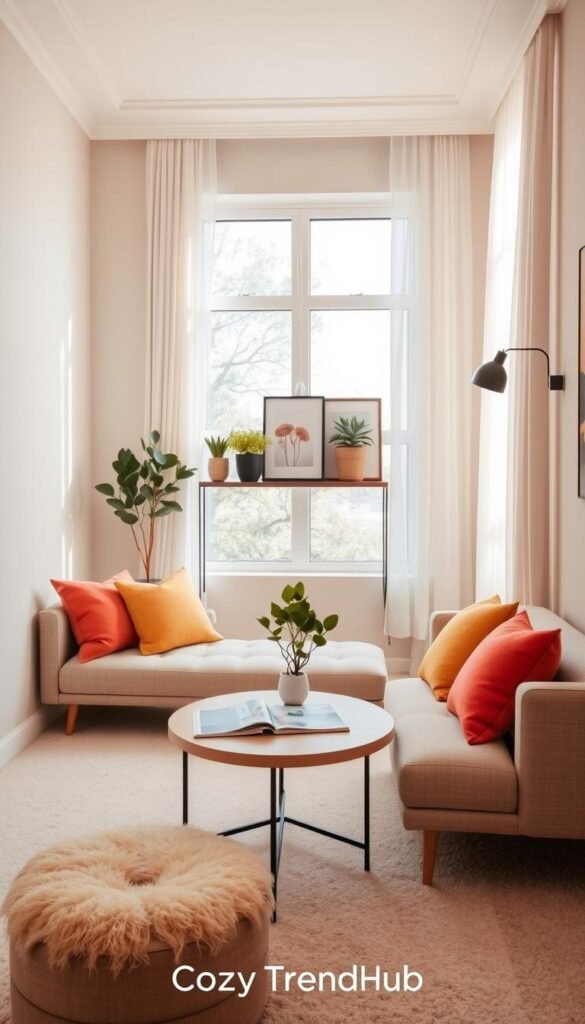
Diagnose the main constraint
Is the room dark? Add reflective surfaces and brighter layers of light. Is it cluttered? Choose hidden storage and reduce tabletop items. Is the layout awkward? Try zoning and floating furniture to free sightlines.
Prioritize visual weight
Visual weight matters more than quantity. Pick pieces with open legs, glass tops, or lighter tones. Wall-mounted or floating items keep the floor clear and improve the way the eye reads the room.
Renter-friendly checklist and measuring tips
- Adhesive hooks, peel-and-stick wallpaper, tension rods, freestanding shelves, and rolling carts.
- Measure usable floor space (exclude radiators and door swings). Record square footage and mark walkways with tape.
- Aim for at least 24–30 inches of clear walkway in high-traffic zones.
| Constraint | Quick Fix | Tradeoff |
|---|---|---|
| Dark room | Mirrors, layered lighting, light-reflecting textiles | May show more dust; needs upkeep |
| Clutter | Closed storage, multiuse furniture | Heavier look if oversized |
| Awkward layout | Floating furniture, rugs to zone | Less storage if floor is kept clear |
Buyer note: Check return policy and the assembly footprint before ordering. Small rooms often lack space to unpack or stage big boxes, so easy returns and compact packaging matter.
Best Decor for Small Spaces: Top Picks by Problem You’re Solving
Organize buys by the problem you face, so each item improves how the room works and feels.
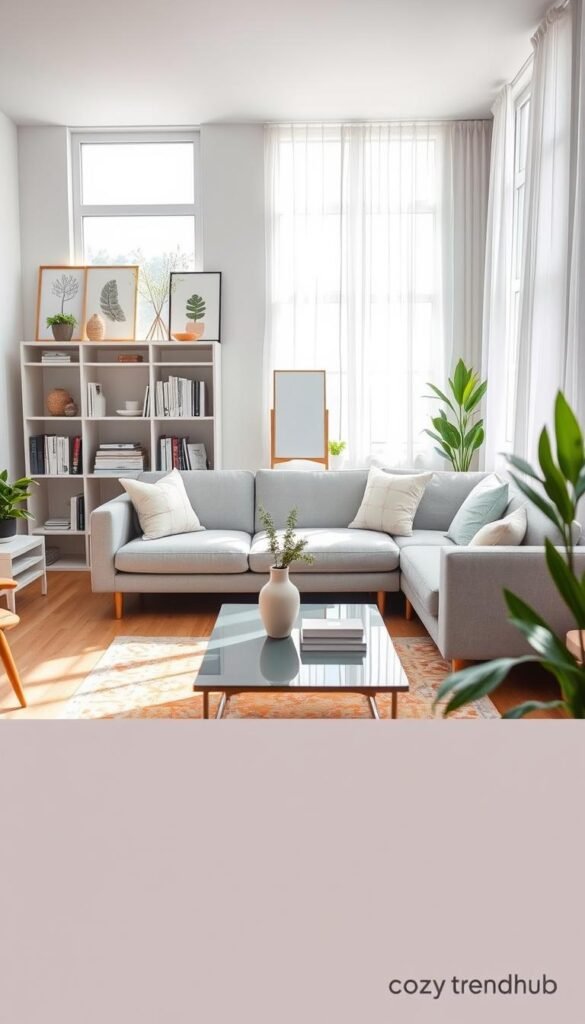
Keep floor space open: floating and wall-mounted pieces
Who it’s best for: renters, studio dwellers, and anyone who needs clear walkways.
Shortlist: wall shelves, floating consoles, slim peg rails.
Buyer checklist: footprint, mounting method, weight limit, material, cleaning effort.
Pros: clears floor space and improves room feel. Cons: requires anchors and may need landlord approval.
Add seating without bulk: benches, banquettes, and stools
Who it’s best for: families, hosts, and seasonal decorators.
Shortlist: nesting stools, upholstered benches, built-in banquettes.
Buyer checklist: seat depth, cushion care, collapse or storage options, weight capacity.
Pros: flexible seating; Cons: banquettes reduce reconfiguration options.
Reduce clutter: hidden and high-up storage
Who it’s best for: minimalists and renters who need tidy surfaces.
Shortlist: high-hung hooks, closed wall cabinets, under-seat drawers.
Buyer checklist: mounting type, door clearance, material, dust maintenance.
Pros: calmer living areas; Cons: less spontaneous access to stored items.
Brighten darker rooms: light-reflecting pieces and window treatments
Who it’s best for: rooms with small windows and lower ceilings.
Shortlist: mirrors near windows, Roman shades, high-hung drapes, glass shelving.
Buyer checklist: fabric opacity, mounting height, glass safety, cleaning needs.
Pros: boosts perceived light and height; Cons: lighter fabrics need more laundering.
Fix awkward corners: compact focal-point decor
Who it’s best for: people who want to reclaim dead space without crowding.
Shortlist: narrow cabinets, corner shelving, tall plants, ladder racks.
Buyer checklist: corner radius, depth, stability, styling effort.
Pros: adds function and interest; Cons: scale mistakes are obvious in tight rooms.
| Problem | Top Pieces | Renter-Friendly? | Room feel outcome |
|---|---|---|---|
| Keep floor clear | Floating console, wall shelves, peg rail | Yes (with removable anchors) | Clearer sightlines, easier movement |
| Add seating | Nesting stools, bench, banquette | Mostly (stools & benches) | More seats with less visual bulk |
| Reduce clutter | High cabinets, under-seat storage, hooks | Yes | Calmer surfaces, tidier living |
| Improve light | Mirrors, Roman shades, glass shelves | Yes (no holes for shades if tension rods used) | Brighter, taller room feel |
| Use awkward corners | Corner shelf, slim cabinet, tall plant | Yes | Reclaimed space and visual balance |
Light-Boosting Decor That Opens Up Dark Living Rooms and Bedrooms
A few strategic light moves can turn a dim living room or bedroom into a space that reads taller and airier. Focus this work where it pays off most: dark living room corners, north-facing bedrooms, and rooms with very small windows.
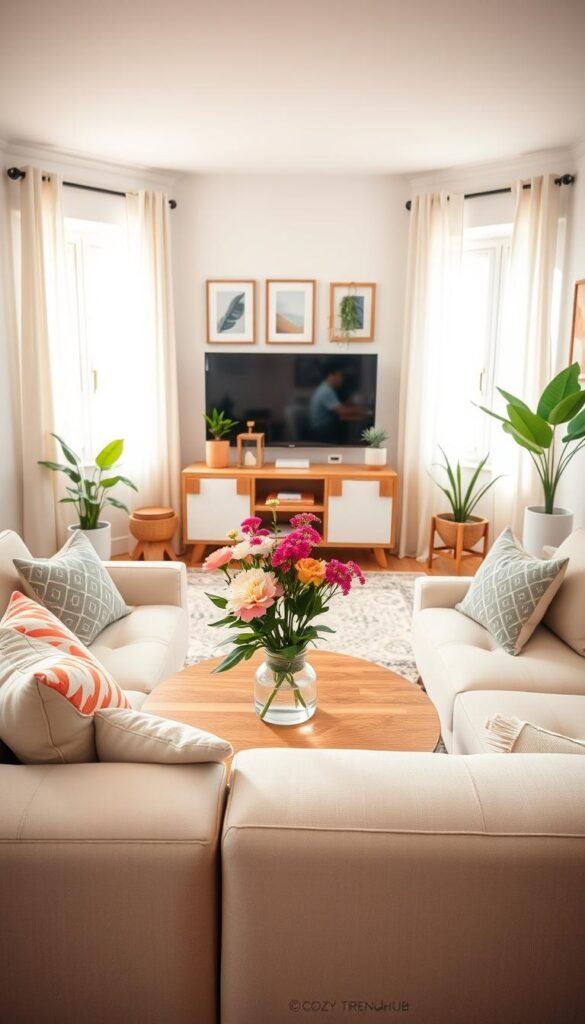
Mirrors and placement
Where: across from or adjacent to windows and above a fireplace to bounce daylight deeper into the room.
Sizing: choose a mirror that fills at least two-thirds of the wall width above furniture to avoid a lost scale.
Buying notes: check distortion, frame thickness (thicker = more visual weight), safety backing, and use removable hanging systems if renting.
Window treatments that elongate
Roman shades let light stream while offering control. They suit living rooms when glare needs taming.
Mount curtains high and close to the wall to lengthen sightlines. Use sheer + blackout layers in bedrooms for privacy and sleep.
Glass shelving and open displays
Glass or open shelving lightens wall storage in living rooms and kitchens. Avoid them in high-dust homes or near clutter-prone counters.
Layered lighting for windowless nooks
Use an easy formula: ambient (overhead), task (reading lamp), and accent (sconce or LED strip). Match bulb color temperature to daylight for a natural look.
| Solution | Who it fits | Pros | Cons / Considerations |
|---|---|---|---|
| Large wall mirror | Living room, fireplace wall | Bounces light, raises perceived ceiling | Glare, mounting anchors, distortion risk |
| Roman shades | Living room, bedroom | Controlled light, neat profile | Less airflow; privacy tradeoffs |
| High-hung curtains | Rooms needing height | Elongates wall, softens edges | Requires longer fabric, rod mounts |
| Glass/open shelving | Kitchen, living room, office | Reduces visual weight, shows items | Dust, styling upkeep |
| Layered lighting | Windowless rooms, tight nooks | Mimics daylight; adds depth | Cord management, glare on screens |
Practical tip: When choosing fixtures and mounts, prefer removable brackets, tension rods, and plug-in sconces to keep upgrades renter-friendly and reversible. For more seasonal ideas, see spring styling suggestions.
White Paint and High-Impact Color Moves That Expand the Space Visually
Simple paint choices and a few strategic color moves reshuffle how the eye reads a compact room. This section explains when white tones help, when a single-color treatment is smarter, and when a bold ceiling or wallpaper adds depth without crowding the layout.
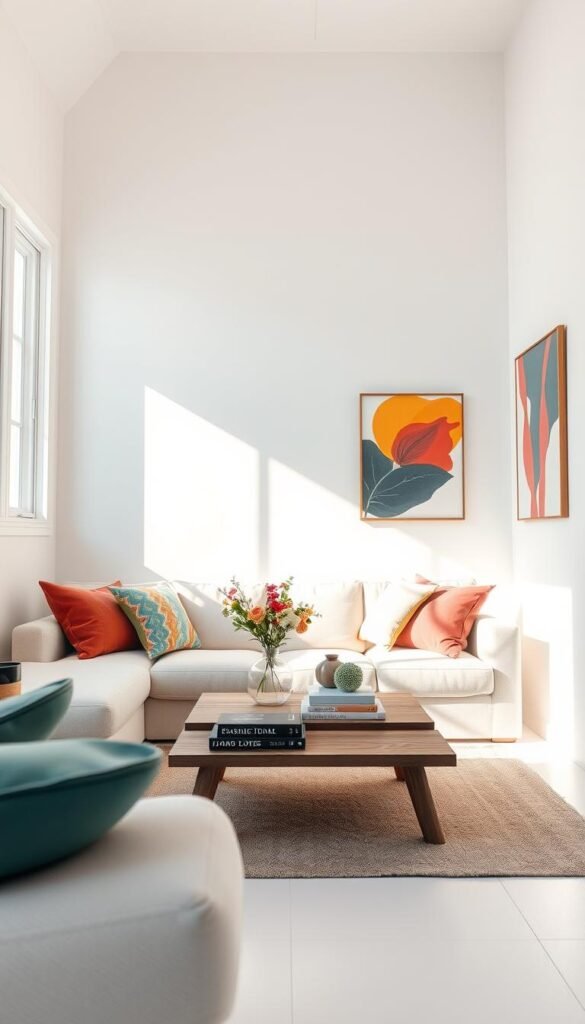
When white works best
White walls brighten low-light rooms and soften heavy trim contrasts. A painted fireplace in white reduces a dark focal point that can make a room feel boxed in.
Practical note: choose eggshell on walls and satin on trim for durability. Use a stain-blocking primer when covering tannin-heavy brick or smoky surfaces.
Single-color „color-drenching“
Painting walls, trim, and even doors the same color reduces visual cutoffs and helps awkward angles read like one plane. Designer Amie Corley observed that a uniform finish lets the eye move freely across a room.
“Covering everything in one color actually keeps a small space feeling more open because your eye doesn’t get cut off anywhere.”
Bold ceiling or wallpaper choices
Use a dark or patterned ceiling when a room has many windows, or in windowless entries and baths that need personality. Pair bold choices with ample lighting to avoid a heavy feel.
| Move | Solves | Tradeoffs |
|---|---|---|
| White walls + trim | Low light, choppy sightlines | Shows scuffs; undertone matters |
| Color-drenching | Visual continuity in odd layouts | Harder to change; sample first |
| Bold ceiling/wallpaper | Adds depth and personality | Can feel busy if cluttered |
Renter-friendly alternatives and what to buy
If paint is off-limits, try peel-and-stick wallpaper, removable decals, or temporary textiles to add color. Always test sample pots and peel-and-stick swatches before committing.
Shopping checklist: sample pots, stain-blocking primer, good-quality brushes, and dust-minimizing drop cloths to reduce mess in a house with limited staging space.
Multi-Functional Furniture Decor That Does More Than One Job
Smart choices let a living area shift between tasks without adding clutter. Convertible surfaces and fold-away tables make a family room useful at mealtime, work time, and game night.
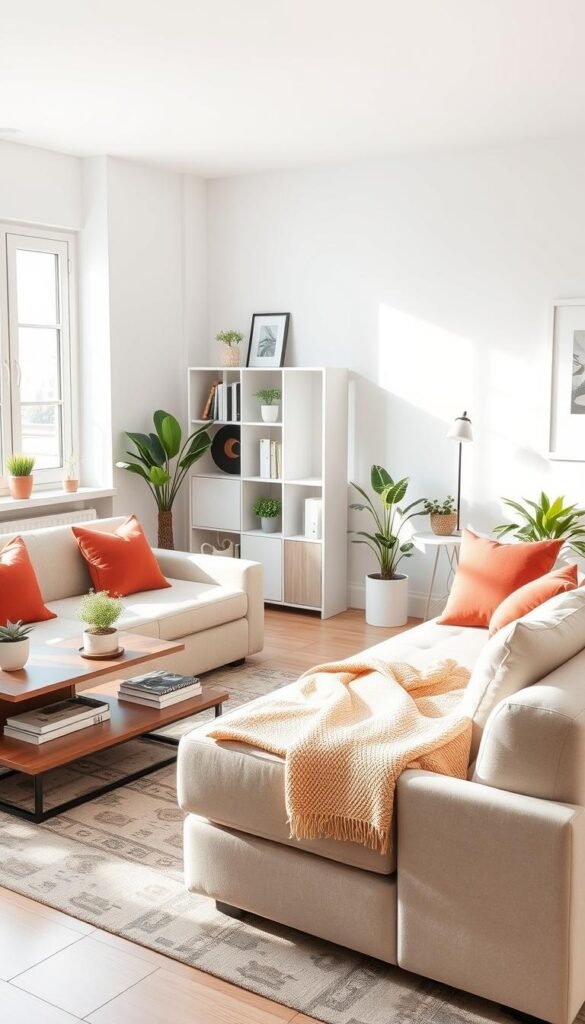
Fold-up game and convertible surfaces
Who should buy: renters and apartment dwellers who need dining, play, and work in one zone.
What to check: folded depth, stability, latch quality, and clear passage when stored. A 2024 Whole Home example showed a fold-up chess table freeing an entire walkway.
Coffee table alternatives that add storage
Choose storage ottomans, nesting tables, or trunk-style pieces instead of a traditional coffee table. Families might prefer an ottoman with washable fabric. Minimalists often pick nesting tables to tuck away.
Sofa tables behind floated seating
Floating seating with a slim sofa table creates a hidden drop zone without crowding the floor. It improves sightlines and makes a compact space feel intentional.
| Option | When to pick | Tradeoff |
|---|---|---|
| Fold-up table | Multiuse rooms | Requires sturdy latch; store when not in use |
| Storage ottoman | Families, casual living | Heavier; needs cleaning |
| Nesting tables | Flexible hosting | Smaller surfaces; may need more pieces |
Rule of thumb: one piece that performs two jobs beats several small items when circulation matters. Measure planned table depth and keep at least 24 inches of walkway to avoid shin-bumping.
Choose items that disassemble for moves and fit through narrow doorways. For more practical picks and links, see a curated list of Amazon home finds.
Small Living Room Decor That Fixes Awkward Layouts and Empty Corners
Awkward layouts and empty corners make a living room feel unfinished and hard to use. Start by naming the problem: unclear zones, furniture pushed to walls, or corner clutter.
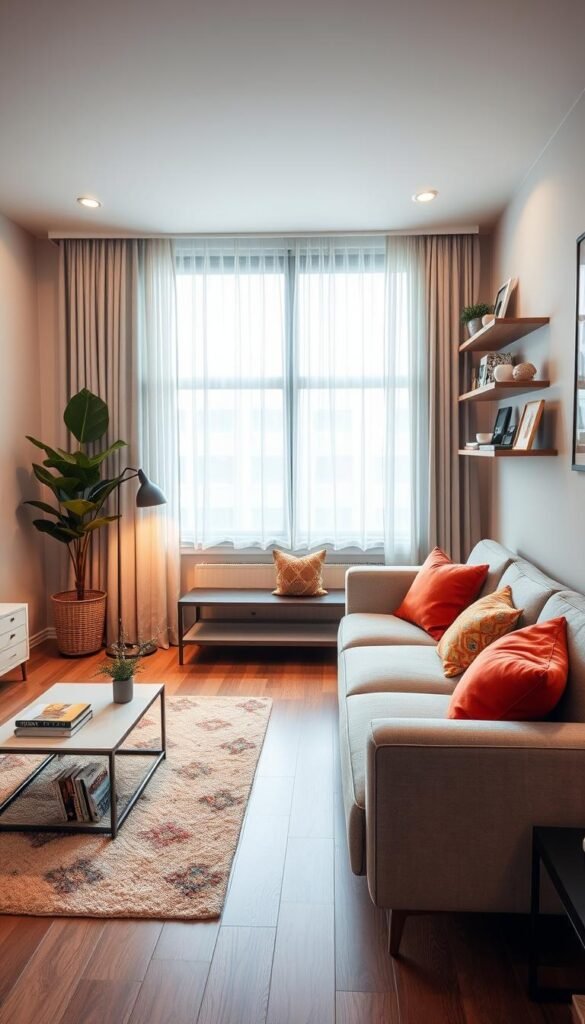
Designated zones with rugs
Use a rug to define an area. Aim to anchor seating with the front legs on the rug so the group reads as one piece.
Sizing tip: choose a rug that keeps at least 4–8 inches of floor showing at edges to avoid a cramped feel.
Reading nooks
Pair a compact chair + slim bookshelf + floor lamp for a simple reading corner. This combo suits renters who want function without built-ins.
Corner solutions
Compare options: a tall plant softens a corner but needs light. A ladder blanket rack works for families and adds texture. A slim corner cabinet gives storage but check depth so it doesn’t block pathways.
Wall decor that saves floor space
Choose vertical art, sculptural pieces, or wall-mounted ledges. Use removable hanging systems when renting to keep the wall intact.
Buying checks: scale (avoid many tiny pieces), leg height (more visible floor feels airier), and sightlines from entry. These decisions improve seating flow and make the room read larger.
| Solution | Who it fits | Pros | Cons |
|---|---|---|---|
| Area rug (anchoring) | Studios, open plans | Defines zones, softens floor | Must size correctly; cleaning |
| Reading nook set | Renters, readers | Functional, compact | Needs dedicated corner |
| Tall plant | Minimalists, green-thumb | Softens corner, visual height | Light needs; care |
| Slim corner cabinet | Families, storage-seekers | Adds hidden storage | Can block traffic if deep |
Seating That Saves Space: Banquettes, Benches, and Window Seats
Thoughtful bench and banquette choices create more usable spots without stealing floor room. This section explains who each option suits and how each solution improves flow around a table or in a dining room.
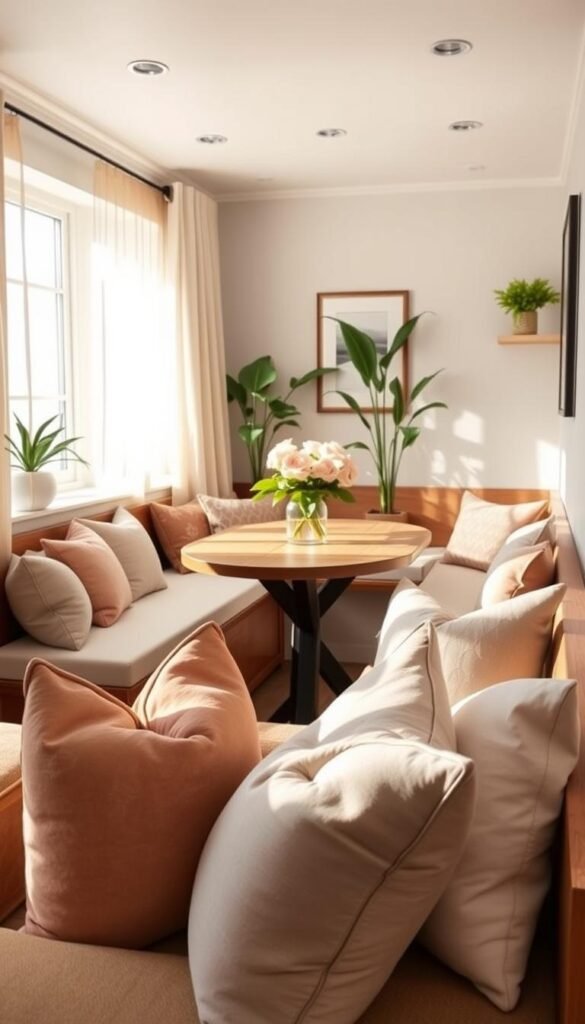
Banquettes: flexible dining that fits more people
Who it fits: family households and frequent hosts who need extra seating per square foot.
Banquettes maximize linear seating and let a single bench seat multiple people. Check depth (14–18″ for seating plus cushion), table clearance (12–15″ knee room), and corner dimensions before committing.
Pros: more seats, neat profile. Cons: limits reconfiguration and can be fixed in place.
Benches: low-visual-weight seating at the table
Who it fits: casual families, studios, and anyone who wants a compact footprint.
Benches remove seat backs that break sightlines, reducing visual clutter and saving floor space. Tradeoffs include less back support and possible sliding; add non-slip pads or a wall stop for stability.
Window seats with storage above
Who it fits: studios, singles, and couples who need seating plus stowage.
Combine a bench with shelving above or freestanding bookcases at the sides to free floor space while adding storage. Choose washable cushions and check sun exposure to avoid fade.
| Option | Who it fits | Key checks | Tradeoffs |
|---|---|---|---|
| Banquette | Family, entertainers | Depth, knee clearance, corner size | Less flexible layout |
| Bench | Casual dining, studios | Length, anti-slip, cushion care | Less support |
| Window seat | Studios, singles | Sun exposure, cushion fabric, shelving fit | Requires custom fit |
Buying notes: prefer removable cushions, washable fabrics, and storage lids with safe hinges to keep the home functional and renter-friendly.
Small Dining Room Decor That Frees Up Movement Space
When a dining area blocks the natural way through a home, small changes can restore flow without sacrificing daily use.
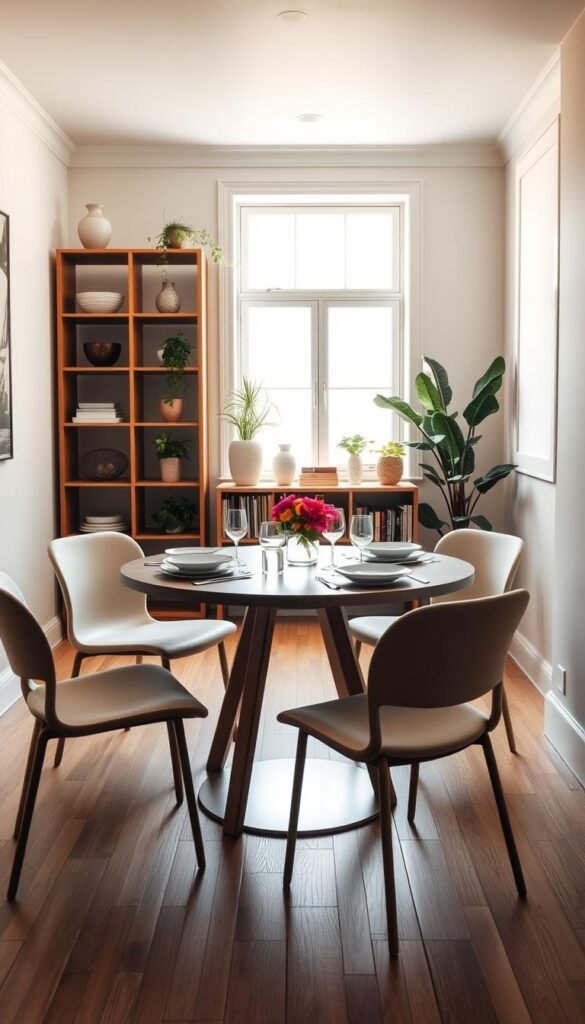
Downsizing the dining table footprint without losing function
Swap to a smaller table if hosting is rare. Match the table size to weekly use: daily meals for two need less surface than regular dinner parties.
Round pedestal and trestle tables that improve seating
Why they work: a centered pedestal or a trestle base removes corner legs. Chairs slide in more easily and people avoid awkward straddling.
Custom banquette and table combos for odd layouts
Built-in banquettes fit bay windows and alcoves and make the most of irregular room footprints. They often cost more and have longer lead times, and they can limit resale flexibility or portability.
- How dining areas fail: blocked chair clearance and tight walkways.
- Material note: lighter finishes and slim wood tones keep the zone feeling airy.
- Renter-friendly swaps: modular banquettes, movable benches, or a wall-hung drop-leaf table.
| Check | Target | Why it matters |
|---|---|---|
| Chair clearance | 18–24 in | Comfort and pull-out space |
| Passage width | 30–36 in | Unblocked circulation |
| Door/traffic conflicts | Measure swing | Avoid blocked entries |
Bedroom Decor for Small Spaces: Beds That Give You Back the Floor
A well-chosen bed lets the room serve more than one use. It can free usable floor and open paths so the bedroom works as an office, reading nook, or guest area.
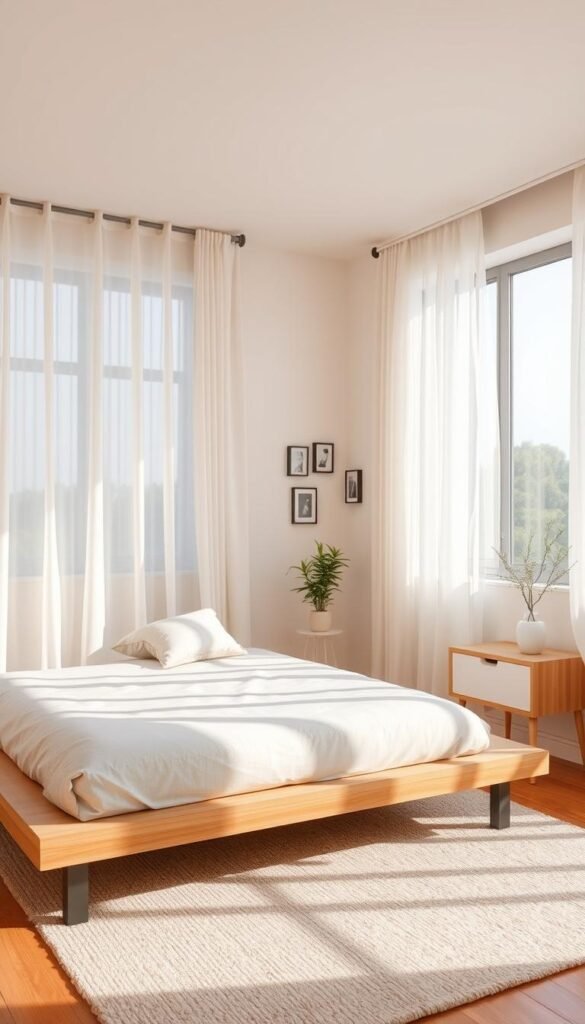
Murphy beds that convert rooms quickly
Who this fits: people who need a home office that becomes a guest room. Horizontal or vertical models tuck away during the day.
Checks: stud placement, wall type, and ceiling height. Many landlords or rentals limit permanent mounts.
Daybeds that double as living seating
Who this fits: studio dwellers and flexible guest rooms. Look for true mattress support, a tall back height for seating, and a trundle option if hosting often.
Bunks for family and seasonal hosting
Who this fits: families and hosts who need extra sleeping without a bulky sofa. Bunks save footprint and often beat a sleeper sofa on usable living area. Note safety rails and ladder placement.
Tradeoffs and buying checklist
Consider installation complexity, cost, and whether the piece can move with you. Measure clearance when folded and when in use, plus storage integration.
| Type | Footprint | Installation | Weight Rating / Pro Install? |
|---|---|---|---|
| Murphy | Varies; allow fold-down clearance | Wall mount | 800–1200 lbs frame / Recommended |
| Daybed | Similar to sofa + bed depth | Freestanding | Standard mattress ratings / Not required |
| Bunk | Footprint of single bed, vertical height needed | Freestanding or bolted | 300–800 lbs per level / Often recommended |
For layout tips and measurements, see small bedroom design tips.
Wall-Mounted and Vertical Decor That Clears the Floor
Raising storage off the ground is the fastest way to open sightlines and reduce clutter. Using walls to hold daily items frees the floor and makes the room feel calmer.
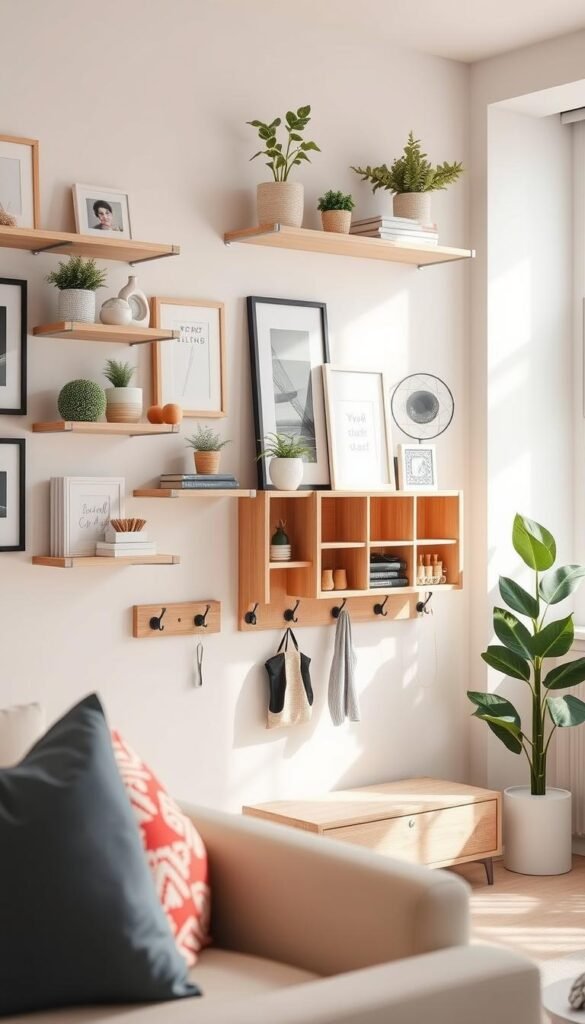
High-hung hooks and entry drop zones
High-hung hooks keep entryways tidy and lift coats, bags, and keys out of walk paths. Renters can use strong adhesive hooks for light items and removable rail systems for seasoning an entry without holes.
Checks: adhesive weight rating, anchor type, and clearance from door swings.
Two-tier mantel shelves
Two-tier mantel shelves add display and storage space without taking table area. They suit rooms that lack surfaces but have a mantel or a narrow wall strip.
Note: leave heat clearance if the fireplace is used and confirm shelf material resists warmth.
Stacking books vertically
Stacking books creates instant shelf space and a casual display. Keep stacks stable with small bookends or a pair of matching objects and group by height or color for a tidy look.
Creative vintage wall storage
Vintage baskets, champagne buckets, and framed crates become hands-on wall storage. These pieces add personality while holding mail, scarves, or small planters.
| Solution | Best use | Pros | Cons / checks |
|---|---|---|---|
| High-hung hooks | Entry drop zone | Clears floor; quick access | Weight limits; adhesive vs anchors |
| Two-tier mantel shelf | Display without tables | Adds storage space; layered styling | Heat clearance; secure mounts |
| Vertical book stacks | Reader storage | No shelf needed; flexible | Stability; visual clutter if ungrouped |
| Vintage baskets on walls | Eclectic storage | Decor and function in one | Mounting hardware; weight-bearing |
Buying considerations: check material durability, weight ratings, and whether installation is reversible for rentals. For inspiration and removable options, see curated wall decor ideas.
Open Shelving and Glass Decor That Keeps Kitchens Feeling Airy
Open shelving and smart organizers clear visual weight and give a kitchen more usable counter area. Swap a heavy upper bank for glass or open wall shelves to let light pass and reduce bulk.
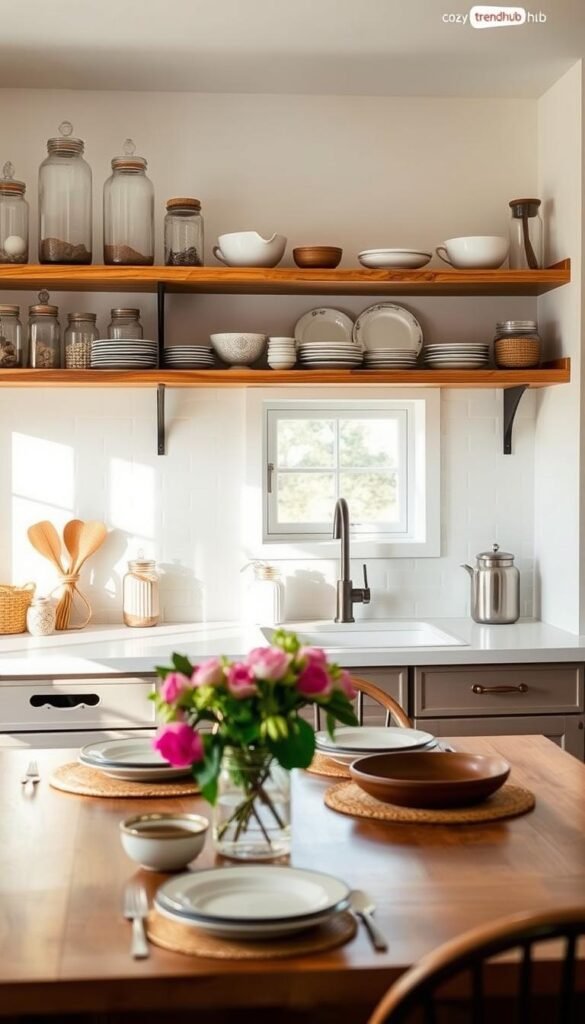
Quick fixes that actually work
Who this helps: tidy households and renters who can use freestanding units or removable brackets.
What to buy: tempered glass shelves, shallow wood wall shelves, and removable floating systems that use anchors designed for rentals.
Countertop-clearing systems
Drawer peg organizers keep plates and pans upright and free the counter. They speed meal prep and limit visual clutter.
Pull-out corner organizers
Turn deep base cabinets into reachable storage with lazy susans or pull-out trays. These make awkward corners practical.
Real-life pros and cons
- Pros: lighter room feel, easier access, more open sightlines.
- Cons: open shelves show dust and stray things; they require tidy styling.
| Check | Why it matters | Tip |
|---|---|---|
| Load capacity | Prevents sag | Match brackets to shelf material |
| Shelf depth | Fits plates and jars | 12″–14″ for most kitchens |
| Installation | Rental rules | Use removable anchors when possible |
“Only display daily-use items to keep shelves functional and tidy.”
Hidden Storage Decor That Prevents Visual Clutter
Visual clutter makes a room feel crowded even when everything has a place. When items remain visible, the eye reads them as noise. Hiding everyday things reduces mental clutter and helps a small room feel calmer and more intentional.
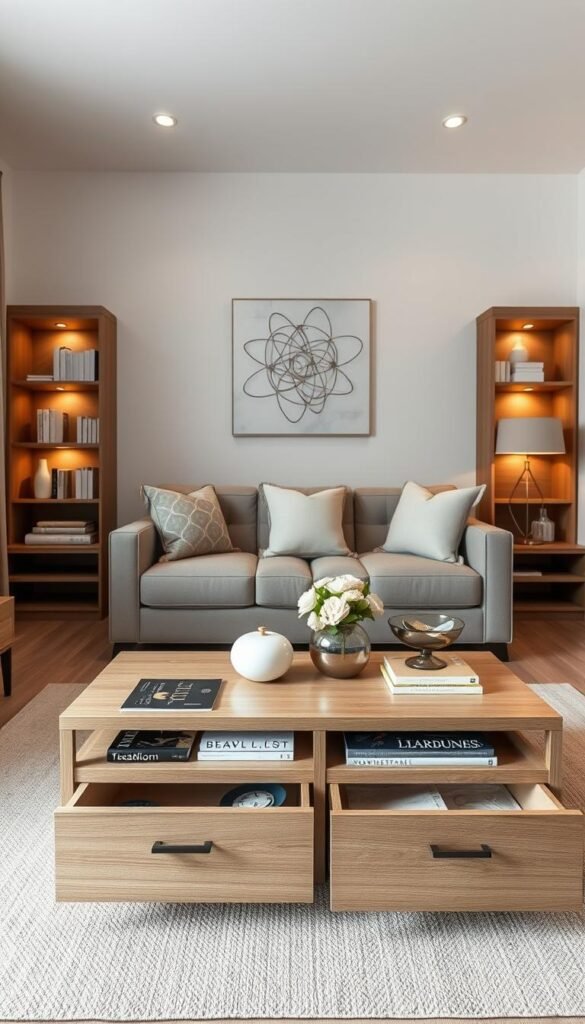
Disguised doors and flush built-ins
Who this fits: homeowners and long-term renters who can commit to semi-permanent updates.
Flush cabinet doors and built-ins can vanish into a wall. They create a streamlined look and free up visual weight. Tradeoffs include cost, less portability, and longer installation time. Built-ins work best when the aim is lasting calm rather than quick moves.
Under-seat hinged storage
Who this fits: kitchen nooks and breakfast areas where appliances are used occasionally.
Benches with hinged lids hold mixers, slow cookers, and seasonal items out of sight. Check lid safety (soft-close hinges), ventilation for heat-generating appliances, and easy-clean surfaces. This option keeps seating functional while expanding usable storage space.
Closed drawers vs. open baskets
Closed drawers read calmer and hide mismatched items. Open baskets are flexible and easy to access but can look busy unless they match and have lids. Use baskets when frequent access matters; use drawers when calm appearance is the priority.
Renter-friendly swaps: freestanding drawer units, storage benches, and ottomans deliver hidden storage without construction. They mimic built-in benefits and move with you.
| Solution | Best-for | Pros | Cons |
|---|---|---|---|
| Flush built-ins | Long-term rooms | Disappears visually; high capacity | Costly; not portable |
| Hinged storage bench | Breakfast nooks, seating | Dual function; hides appliances | Ventilation limits; hinge quality matters |
| Closed drawers | Any room needing calm | Tidy look; hides clutter | Less immediate access |
| Open baskets | Frequent-access items | Flexible; low cost | Can look busy; needs uniform styling |
Buying checklist: lid safety, hinge quality, ventilation for stored kitchen items, and easy-clean finishes. For renter-safe hidden solutions and bedroom-specific storage ideas, see a set of practical bedroom storage ideas and compact bathroom organizers at bathroom organizer picks.
Rolling and Movable Storage for Renters and Seasonal Decorators
Movable carts and compact stations give living areas overnight and seasonal flexibility without wall anchors. They solve the renter problem: storage that serves today and moves tomorrow.
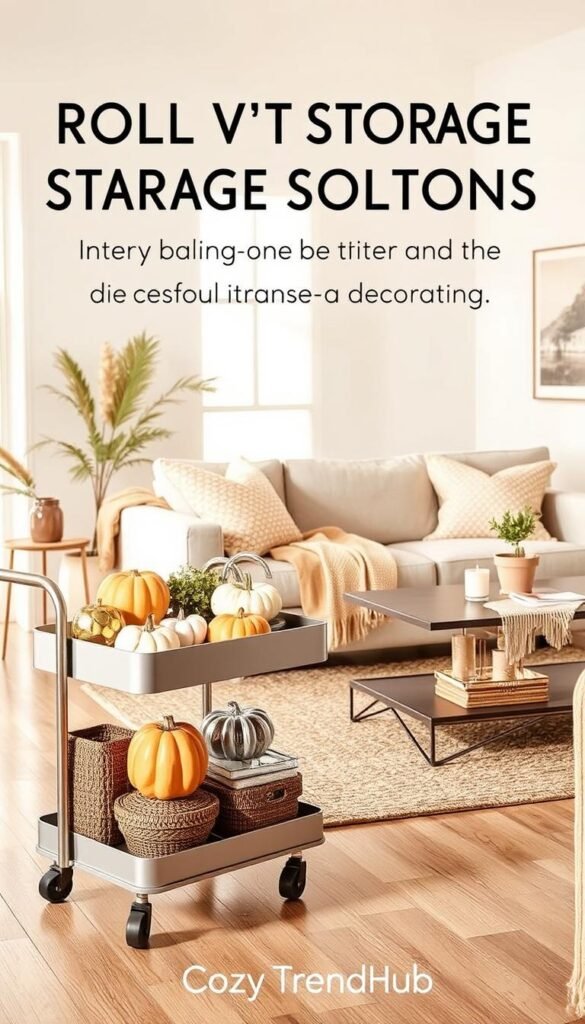
Wheeled bath carts
Wheeled bath carts suit apartments with no linen closet. They hold towels, toiletries, and a daily kit that can slide out of sight when guests arrive.
Buying checks: rust-resistant finish, wheel lock, narrow width to fit doorways, and weight capacity.
Pros: stores essentials neatly and can be stored in a closet. Cons: limited capacity and must have soft casters or a mat to avoid floor marks.
Bar carts and compact drink stations
Bar carts add a mobile entertain station to tight living zones without permanent fixtures. Use trays and grouped categories—glassware, mixers, and tools—to stop the cart from becoming cluttered.
Placement tips: tuck beside a fridge, at the end of a counter, or in an underused corner that keeps 24–30 inches of clear walkway.
Pros: party-ready and portable. Cons: can collect items over time; require regular editing.
When portable beats built-ins
Choose portable pieces when leasing, moving often, or changing layouts seasonally. They need no anchors and can be repurposed across areas of the home.
| Use case | Best feature | Tradeoffs |
|---|---|---|
| Frequent movers / renters | Easy to take with you | Less capacity than built-ins |
| Seasonal decorators | Reassignable to holiday needs | Requires storage when not in use |
| Hosts/entertainers | Quick drink & service station | Needs upkeep to avoid clutter |
Quick checks before buying: wheel quality, weight rating, handle height, and whether the piece fits through bathroom doors and narrow halls. For more renter-focused hacks, see a practical guide at small apartment hacks and seasonal styling tips at summer styling ideas.
Small-Space Decor for Kitchens and Entryways That Acts Like a “Drop Zone”
A planned entry and kitchen landing keeps daily items contained so the whole home reads calmer and more useful.
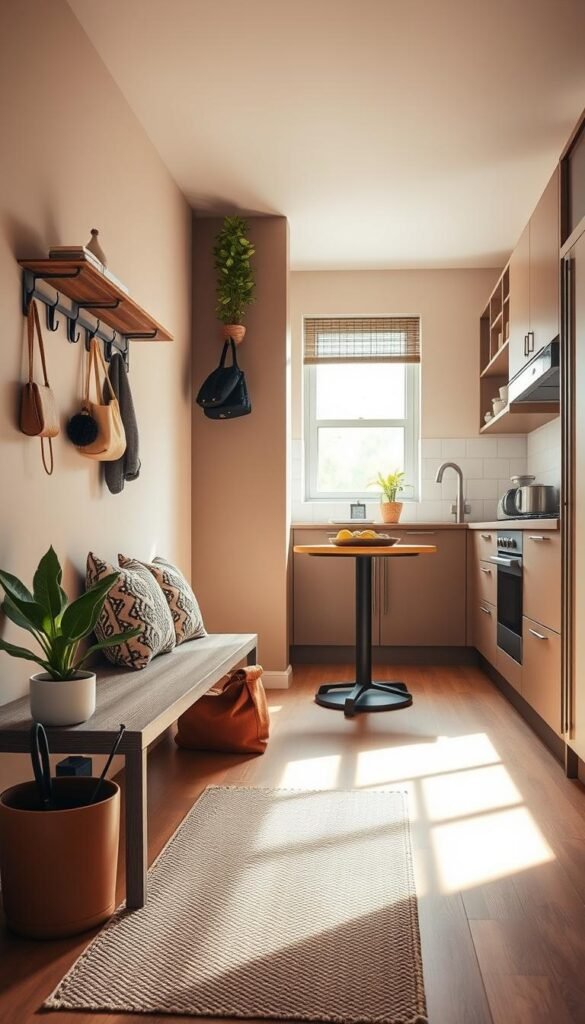
Shoe benches that add storage without blocking natural light
A shoe bench anchors the entry and stores footwear off the floor. Choose a depth under 14–16 inches so walkways remain clear.
Place the bench near a window when possible. Natural light makes the area feel open even with stored items visible.
Console-table styling rules to avoid tabletop clutter
Limit tabletop items to a lamp, a tray, and one catchall. Excess pieces make the whole room feel smaller.
Tip: use a slim tray to corral keys and daily mail and clear it weekly.
Hooks, baskets, and simple routines for busy households
Install oversized hooks for jackets and daily bags. Add one labeled basket under the console for incoming mail and chargers.
Renter-friendly options include heavy-duty adhesive hooks, a freestanding coat rack, or a non-drill shelf ledge.
| Item | Who it fits | Pros | Cons / Checks |
|---|---|---|---|
| Shoe bench (open) | Families, pet owners | Easy access; extra seating | Can look messy; shallow depth advised |
| Closed shoe cabinet | Anyone wanting calm look | Hides clutter; tidy finish | May feel bulky if too deep |
| Hooks + basket | Busy households | Fast grab-and-go system | Wall protection; weight rating |
Buying checklist: wipeable finishes, wall protection behind hooks, and a plan that keeps the floor clear and safe. For more entry ideas, see entryway ideas.
Making Use of Every Niche, Alcove, and Corner Without Overfilling
Instead of seeing awkward alcoves as a problem, treat each as a focused area with a single job. Pick one function first — work, storage, seating, or display — then fit a piece that matches that use.
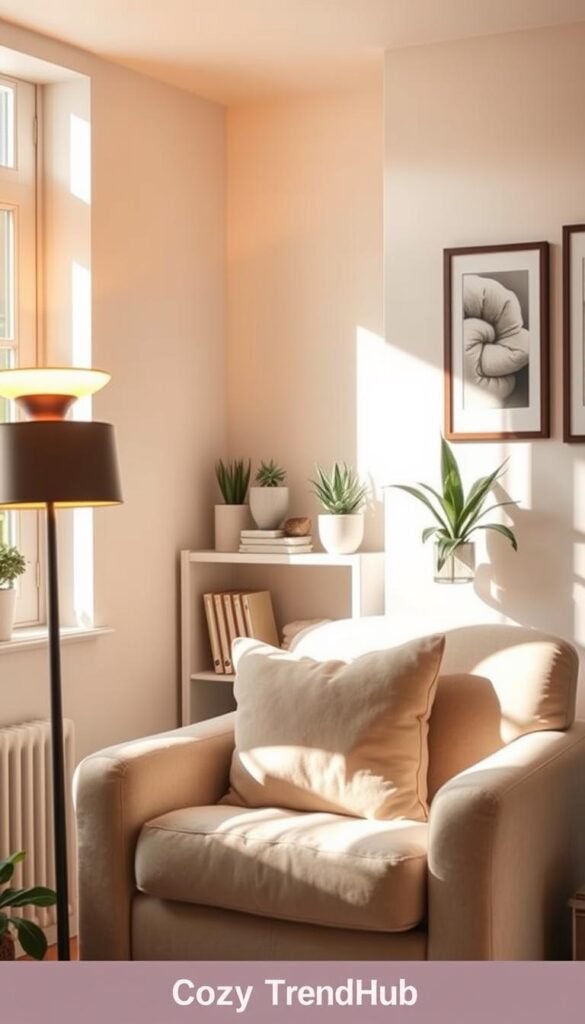
Built-in look without full renovation
Who it fits: homeowners and long-term renters who want a tailored look.
Fit a desk or cabinet tightly into a niche. Use shallow depth and a matched wood or painted finish to make the unit feel built-in without major work.
Micro home office nook
Who it fits: remote workers needing a compact, dedicated area.
Add shelving above a slim desk, hang a few pieces of artwork, and route cables neatly for a tidy, intentional work corner.
Corner fixtures and compact shapes
- Corner shelves, slim cabinets, and compact sinks reclaim dead area.
- One larger, purposeful piece keeps the area calm. Avoid many tiny items that look cluttered.
- Buying checks: depth limits for alcoves, cable ways for desks, and a matching wood tone or paint to tie the area into the rest of the home.
Tradeoffs: freestanding units stay portable for renters. Anchored, built-in-looking pieces read polished but reduce flexibility when moving.
Conclusion
Close the loop on decisions by matching one clear problem with one practical solution that keeps the floor and sightlines open.
Start with what limits the room — low light, clutter, or a choppy layout — then pick one high-impact change. In the living room, add a zoning rug and slim seating. In the kitchen, choose drawer organizers and pull-outs. In the bedroom, consider a daybed or Murphy option. In the dining room, a round pedestal or banquette helps circulation.
Quick buying checklist: measure square footage and walkways, confirm depth and height, check visual weight, and verify storage needs. Favor reversible fixes: no-drill hooks, removable treatments, and portable storage.
Open shelves look airy but need upkeep; closed storage hides clutter yet can feel heavy if oversized. Review the comparison tables above, then pick one category (mirror, hooks, bench, organizer) and reassess before adding more pieces. For extra ideas and niche solutions, see these design ideas.