Small, intentional upgrades can change how a space feels and works. This guide focuses on practical picks that solve everyday friction—lost keys, harsh light, messy surfaces—without adding bulky furniture.
Each recommendation favors function-first design, clean lines, and neutral finishes that fit renter-friendly spaces. Items are chosen so they earn their place through usefulness and quiet beauty.
The roundup addresses common problems: entryway clutter, rental-safe lighting, scent options that need no plugs, simple wall pieces, tabletop protection, compact textiles, smart storage, and low-fuss greenery.
Pricing is affordable, but tradeoffs like refill costs, battery life, or delicate materials are noted. The article is structured for quick decisions: a snapshot comparison, then curated picks by room with pros, cons, and buying notes.
Key Takeaways
- Focus on purposeful items that reduce daily friction.
- Selections work well for renters and small spaces.
- Neutral finishes and clean lines make styling easy.
- Expect clear notes on tradeoffs and maintenance.
- Article layout supports fast comparison and buying.
What minimalist decor under $100 should solve in a real home
Aim for pieces that remove chores, soften light, or reclaim dead corners so the space works better.

Common problems include cluttered surfaces, unused corners, harsh lighting, and decorative items with no purpose.
- Cluttered surfaces → containment: trays, small boxes, and holders.
- Unused corners → single functional accent that fills the gap, not more furniture.
- Harsh lighting → a soft light source or candle alternative.
- Stuff with no function → swap trinkets for multi-use tools or wall functions.
What to look for instead: simple silhouettes and neutral finishes. Think wood, metal, ceramic, or glass that read as clean lines and blend with existing color.
Refresh a room without new furniture by following one surface upgrade, one light source, one wall element, and one containment item.
Avoid visual overload by choosing fewer items with larger impact. Each recommended piece must solve a real problem in a specific space and add clear function while improving the overall look.
Buying guidelines for a minimalist refresh in small spaces and rentals
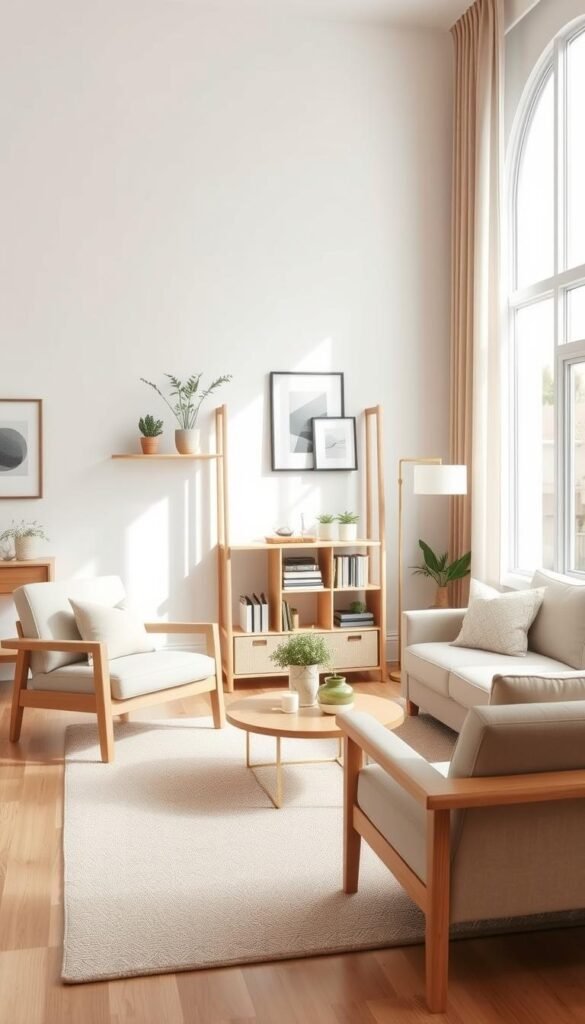
Start by matching piece size to the actual usable surface on a nightstand or narrow console. Measure depth and width so a lamp, charger, and a small tray all fit without blocking drawers or walkways.
Scale and footprint
Pick objects that leave a clear edge for hands and cords. A compact lamp or tray should not overhang a side table or hide charging ports.
Renter-friendly placement
Lean art or mirrors instead of nails. Use removable hooks for keys and lightweight shelves. Favor battery or plug-in lighting over anything that needs hardwiring—this keeps furniture flexible and move-ready.
Materials that read clean
Warm wood, matte ceramics, clear glass, brushed aluminum, and natural pulp give a restrained finish. Examples in the roundup include an anodized aluminum diffuser body and a natural pulp pop-up vase with water-resistant coating.
Maintenance reality check
Open displays collect dust. Paper and pulp need gentle handling. Wood benefits from coasters and soft cloth wipes to avoid moisture rings. Ceramic coasters with cork backing protect surfaces and reduce micro-mess.
| Material | Visual read | Care notes |
|---|---|---|
| FSC teak | Warm, layered | Avoid direct sun; wipe with soft cloth |
| Brushed aluminum | Clean, modern | Wipe fingerprints; avoid abrasive cleaners |
| Ceramic & cork | Matte, tactile | Hand wash; cork dries flat |
| Natural pulp | Paper-like, soft | Keep dry; water-resistant coating for light use |
Buyer intent matters: match scale, placement method, and upkeep to real living conditions to reduce returns and disappointment.
Quick comparison snapshot for shopper-friendly decisions
This quick snapshot helps shoppers match a single solution to a common home friction in under a minute.
| Problem | Pick | Why it works | Key tradeoff |
|---|---|---|---|
| Stop losing keys | Key Holder Wakka | Uses a strong neodymium magnet and a compact footprint to create a simple drop-and-tap routine. | Limited capacity—best for one household’s daily keys. |
| Soften overhead glare | Japanese Lantern Candle | Patented wax tech keeps shape while offering warm ambient light; $69 price point for a sculptural glow. | Replacement refills are specialty items. |
| Fragrance without plugs | Ritual Card Diffuser | No heat or electricity; capillary action releases scent gently—good on desks and in small rooms. | Subtle diffusion may need frequent replacement in open-plan spaces. |
| Flowers without storage clutter | Pop-Up Book Vase | Includes three compact designs with water-resistant coating, folds flat for storage; $39 cost for the set. | Holds smaller bouquets; not for large stems. |
| Daily smalls clutter | Square Teak Storage Box | FSC teak construction, discreet surface containment, and wipe-clean care for daily use. | Avoid prolonged direct sun to prevent fading. |
How to use this snapshot: pick the item that solves your top daily pain point first. Each selection trades capacity or refill needs for a focused function and a small footprint.
Best minimalist decor under $100: curated picks by problem, room, and use case
Picks here are organized by use case so shoppers can match an object to a daily friction point quickly.
How these picks were chosen
Selection follows a simple rule: each item must solve a specific problem, suit rental limits, and stay below $100 at the time noted.
Minimalist design is defined by calm silhouettes, neutral finishes, and clear usefulness—not decorative clutter.
How to use the “Best for” notes
Match a pick to the habit that causes friction: losing keys, scattered jewelry, weak light, or no outlet. This keeps purchases practical.
Inspiration is included, but the roundup prioritizes measurable wins like less clutter and softer light.
| Use case | Typical pick | Why it helps |
|---|---|---|
| Losing small items | Key Holder Wakka | Creates a simple drop-and-find routine with minimal footprint |
| Soft light without wiring | Battery table lamp | Predictable glow where outlets are scarce |
| Floral pop-up storage | Pop-Up Book Vase | Compact, water-resistant option that folds flat for renters |
Use the notes to pick the item that fits your space and daily flow. The right footprint and placement are the fastest way to keep an object in use and add practical appeal to a room.
Entryway calm without the clutter: hooks, holders, and drop zones
An entryway collects the day’s in-between objects, so a clear landing system stops clutter before it spreads.
Key Holder Wakka
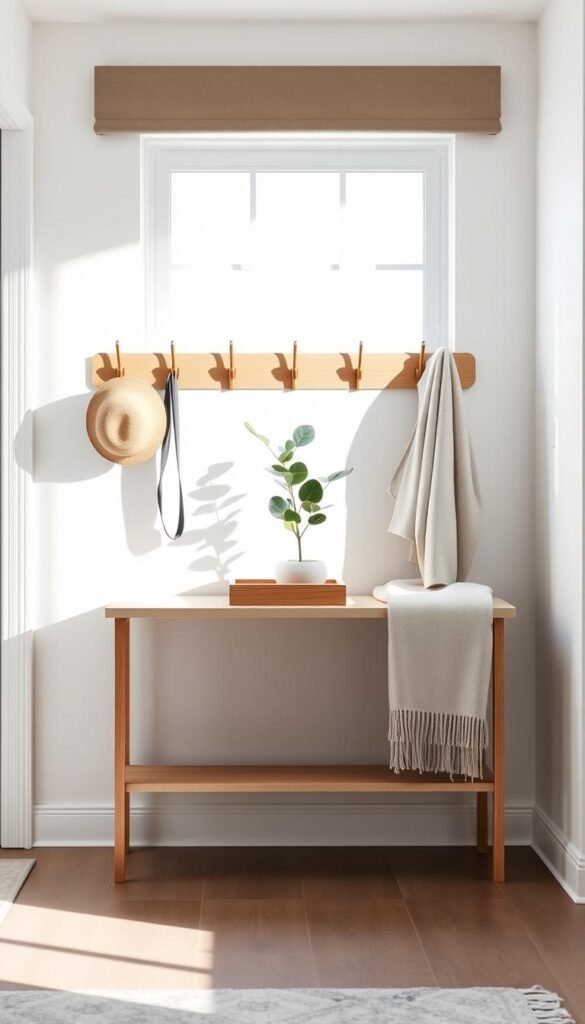
Who it helps: people who constantly misplace keys. The Wakka uses a neodymium magnet and a compact base to make a quick tap-and-drop habit.
Limits: it usually accepts one set of keys and may need a slightly heavier ring than thin keychains.
Square Teak Storage Box
Who it helps: anyone who wants fast surface clear-up. This FSC teak box hides wallets, earbuds, and chargers and wipes clean easily.
Vintage side table with magazine sling
Who it helps: tiny corners that need a landing spot and charging. The 21-inch industrial side table has a USB outlet and a fabric magazine holder for mail and slim storage.
Buying considerations & renter notes
Check magnet strength, mounting options (removable hardware preferred), and cable length. Use cord clips or adhesive channels to avoid drilling.
| Item | Primary use | Renter-friendly tip |
|---|---|---|
| Key Holder Wakka | Key holder | Use removable anchors or command strips for light mounting |
| Square Teak Storage Box | Surface storage | Place on a slim table to keep living surfaces tidy |
| Vintage side table (21″) | Charging + landing | Measure outlet reach; tuck USB behind base with clips |
High-traffic pros/cons: durable finishes and stability matter. Open drop zones are handy but can collect visible clutter—adopt a one-surface rule to keep things calm.
Soft, minimalist lighting that works in rentals and blackout-prone areas
A single soft light can change a room’s mood without adding extra furniture or wiring. These picks focus on rental-safe, portable solutions that create a calm evening routine.
Japanese Lantern Candle
Why choose it: a sculptural, chouchin-inspired candle that gives warm bedside glow. It uses patented wax tech and costs $69.
Note: replacement candles are specialty items and need careful handling during moves.
Battery-operated table lamp with timer
Runs on 2xAAA (not included) and uses a 6-hours-on / 18-hours-off timer. Ideal for shelves, consoles, and blackout readiness.
Large color-changing moon lamp
Rechargeable, 15+ hours per charge, and offers 16 selectable colors. Good for dorms or bedrooms where adjustable mood matters.
Buying considerations & quick pros/cons
| Factor | What to check | Trade-off |
|---|---|---|
| Brightness | Choose lumens for reading vs. ambience | Too bright on glossy surfaces causes glare |
| Power | Battery type or rechargeable | Batteries need replacing; recharge waits for use |
| Features | Timer and color options | Timers add convenience; multi-colors can look gimmicky |
Bottom line: a candle offers unmatched ambiance, while LED options give reliable timing and flexible colors for a cleaner, more predictable look.
Scent with intention: minimalist diffusers for small rooms and seasonal swaps
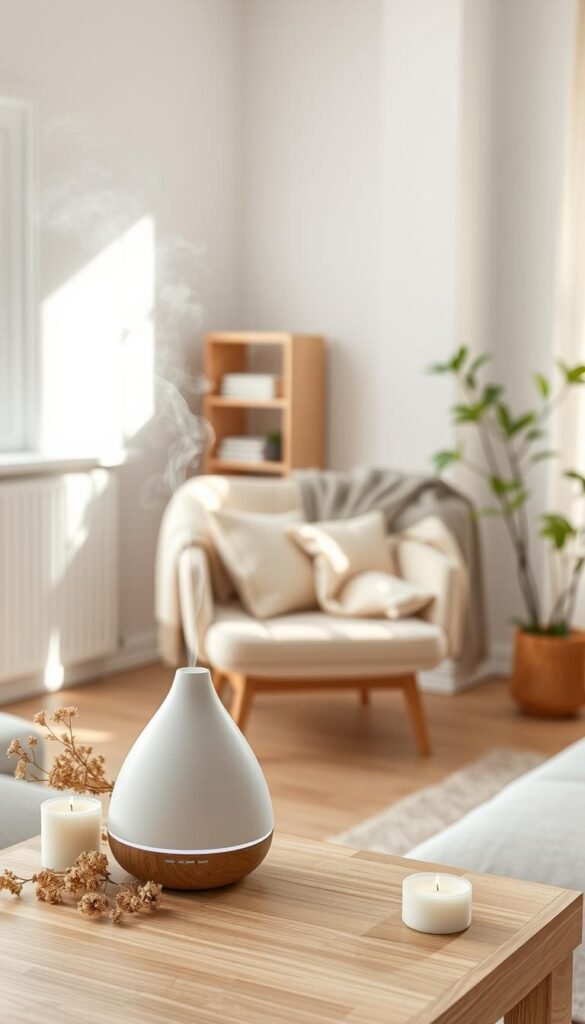
One small diffuser can change how a room feels without adding visible clutter. Scent is a high-impact, low-footprint upgrade that pairs well with a calm surface and a few thoughtful accessories.
Ritual Card Diffuser
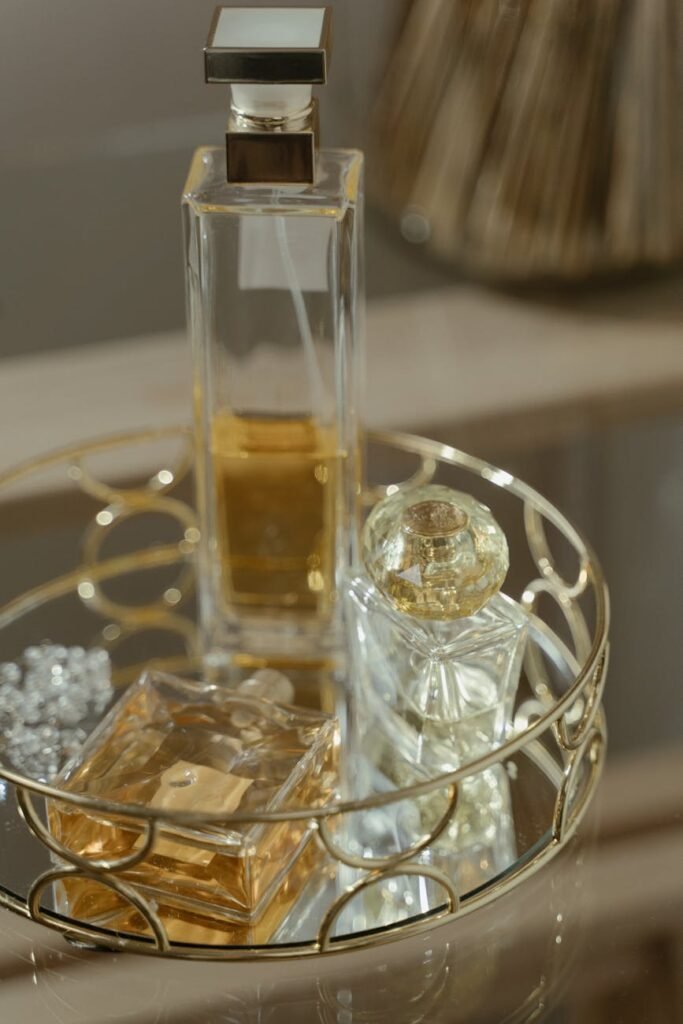
Who it’s for: people who avoid heat, mist, or plugs. The unit uses washi paper cards and capillary action with alcohol-based fragrance oils in an anodized aluminum body.
Expect slow, quiet diffusion that suits bedrooms, bathrooms, and desks. Replacement cards are an ongoing cost and diffusion is less effective in an open living room.
Miniature Bonfire Wood Diffuser Set
Who it’s for: those wanting a conversation-piece scent setup. Stainless steel and rust-resistant, it ships with Mt. Hakusan oil and costs $99.
It’s novel but needs careful oil application to avoid spills. Use sparingly for guests or occasional evenings.
Seasonal swaps & buying notes
- Spring: light citrus or green notes for a fresh clean touch.
- Fall: warmer woods and spice for cozy appeal.
- Buy with care: check refill availability, spill risk, and diffusion strength for your room size.
Quick comparison: ritual systems reward mindful use; set-and-forget pieces trade ritual for convenience and may add visual weight. Match the item to habits to avoid disappointment.
Wall decor that stays clean-lined (and mostly renter-friendly)
Wall updates offer a zero-floor-space refresh that changes how a room feels without crowding surfaces.
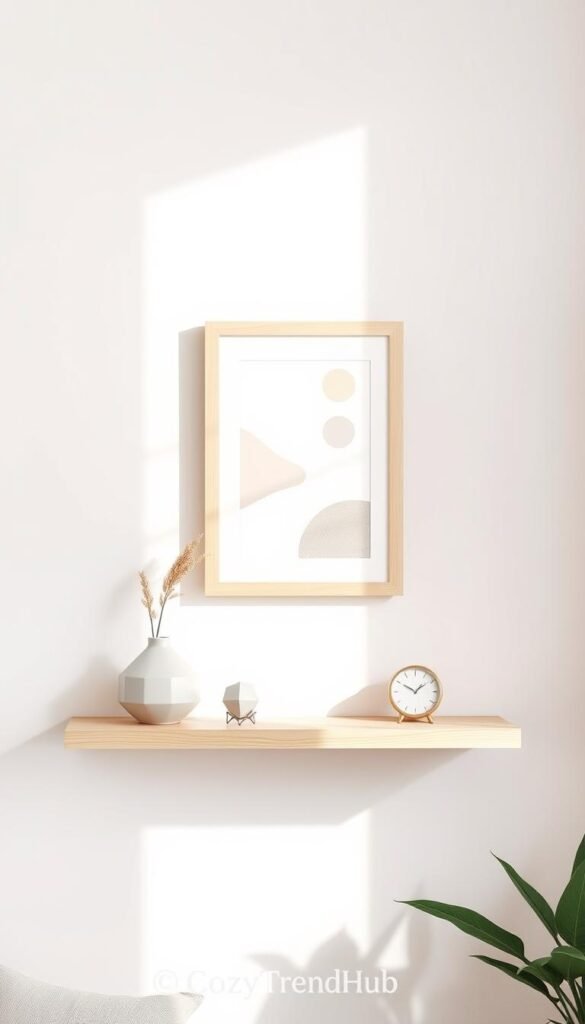
Oboro Silver Moon Calendar
Who it helps: buyers who want functional art that changes with daylight.
The Oboro uses moonlit greige paper with reflective silver foil and embossed texture. It tracks lunar cycles and shifts visually as light moves across the paper.
Care: keep it away from humidity and direct sun. It is limited edition, so replacements can be hard to find.
Round decorative wall mirror
Who it helps: small bedrooms and tight rentals that need visual depth.
A round mirror opens a space and adds daily function without adding tabletop clutter. Leaning or removable mounts work for renter-friendly placement.
Artificial eucalyptus wall hanging
Who it helps: low-light apartments and residents who avoid plant care.
Made from eco-friendly plastic, hardwood, and jute twine, it measures about 17″ × 21″ and reads like green without upkeep.
Buying considerations
- Check moisture and light exposure for paper pieces.
- Use removable hooks or weight-rated anchors when drilling isn’t allowed.
- Follow a one-wall rule: pick a single anchor piece and keep surrounding items minimal to avoid visual clutter.
Tabletop styling that protects surfaces and still feels minimalist
Protecting a table starts with practical objects that also add quiet visual interest. Clean surfaces show every ring and scratch, so protection matters more than extra items.
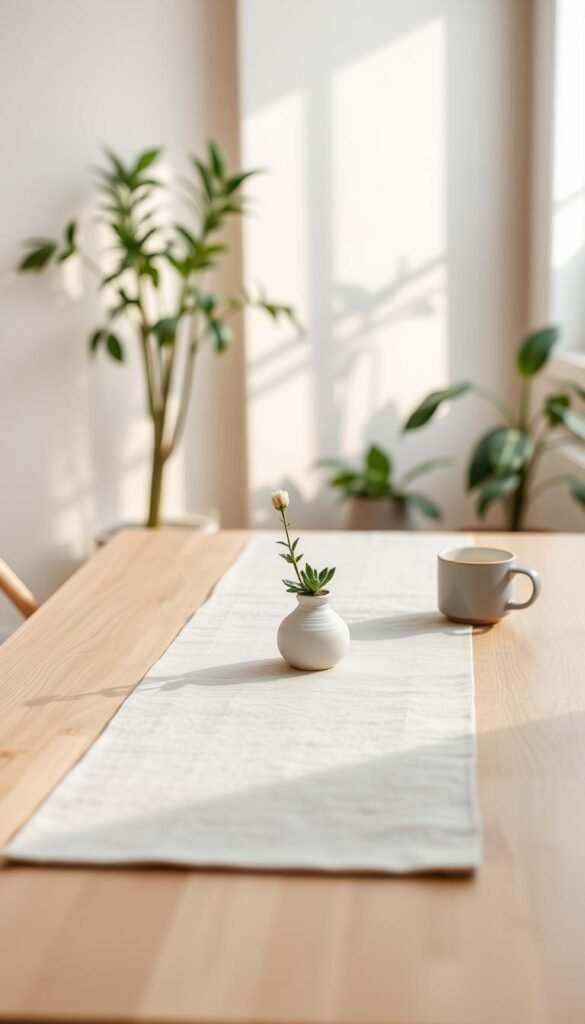
Heat-resistant ceramic drink coasters
Why they help: Ceramic resists heat and the cork backing prevents slipping and scratching. They keep wood nightstands and coffee tables safe from water rings.
Styling tip: Keep coasters stacked in a tiny tray so they read as intentional pieces, not scattered extras.
Wood knot coffee table centerpiece
Choose a compact wooden knot (about 5.91″ cube) to add texture without visual clutter. It warms a small table while staying neutral and restrained.
Heritage Craft Unboxing Knife
This precision-milled aluminum cutter ($99) replaces flimsy blades and lives on a desk as a display-worthy tool. Note: the metal tool is heavier and can feel unfamiliar at first.
Buying considerations
Check scratch resistance, underside padding, how the finish reacts to sunlight or moisture, and whether an object’s visual weight matches the table size.
| Item | Primary benefit | Trade-off |
|---|---|---|
| Ceramic coasters | Heat + scratch protection; cork backing | Can clutter if many patterns are used |
| Wood knot centerpiece | Controlled texture; compact footprint | Needs occasional dusting and gentle care |
| Heritage Craft Unboxing Knife | Durable tool; replaces cheap cutters | Heavy; learning curve for safe use |
Small-space textiles that look simple but work hard
Soft surfaces deliver comfort and reduce echo, often with less fuss than new furniture.
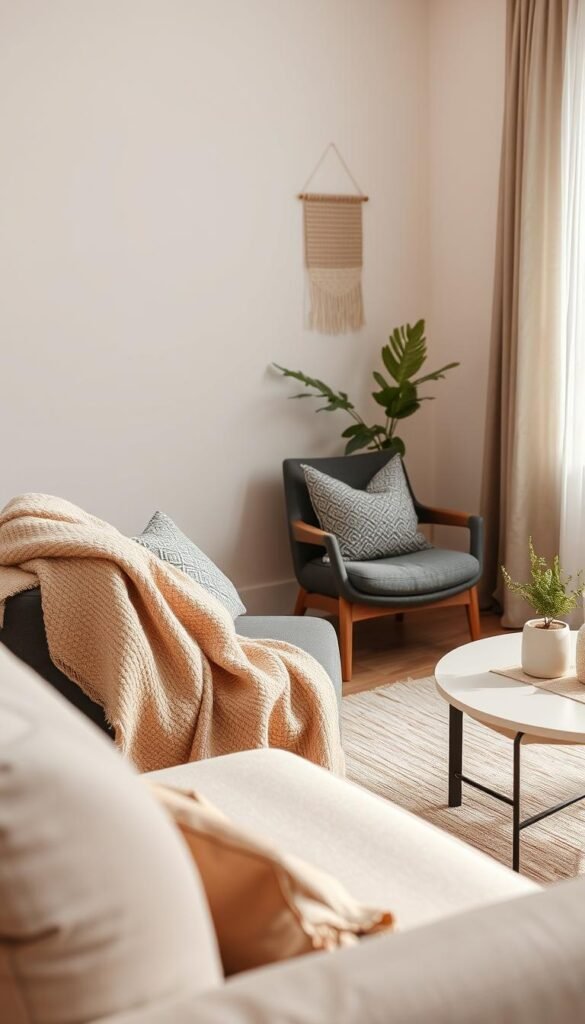
Shag faux fur area rug
Why it helps: A shag faux fur rug warms hard floors and absorbs sound. The non-slip latex backing keeps it steady in high-traffic spots.
Delivery note: many rugs arrive vacuum-packed and may look thin. Allow 3–5 days for fibers to fluff back to shape.
King-size satin pillowcase
Why it helps: A 100% polyester satin pillowcase with OEKO-TEX certification lifts bedding with a low-cost swap. It reads polished without extra layers.
„Small textile edits are often the fastest way to make a space feel finished.“
Buying considerations
Pick one neutral color family—warm beige, cool gray, crisp white, or a black accent—and repeat it across textiles for cohesion.
Check care tags for machine wash, spot-clean instructions, and pet-shedding risk. Avoid very fluffy textures if allergies or pets are a concern.
| Item | Primary benefit | Realistic trade-off |
|---|---|---|
| Shag faux fur rug | Warmth + sound softening; non-slip backing | May need days to loft after shipping; spot clean per label |
| King satin pillowcase | Polished look; gentle on skin and hair | Polyester sheen needs low-heat washing; not as breathable as cotton |
| Color strategy | Cohesive palette across textiles | Too many colors fragments a small room |
Bottom line: These are comfort-first upgrades for a renter-friendly home. They add warmth and visual calm without extra objects on surfaces.
Smart storage that doesn’t look like storage
Good storage turns chaotic piles into a single, intentional object you can live with. Minimal solutions should hide clutter fast and read as calm pieces, not extra furniture.
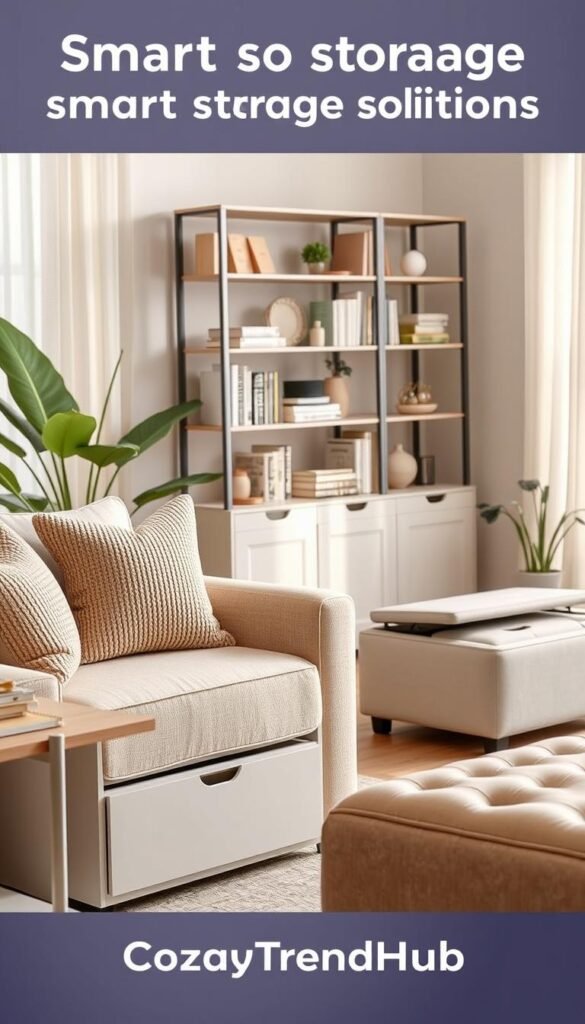
Large blanket woven basket
The 100% cotton rope basket (~20″ x 20″ x 13″) is washable and soft to the touch. It hides throws, pillows, or kids’ toys quickly and reads like a textile accent instead of a plastic bin.
Place it where clutter gathers—sofa corner, nursery, or bedroom—and size it so it never blocks walkways.
Jewelry display clock
This hollow clock in rice-husk bioplastic combines quartz timekeeping with open jewelry storage. It keeps daily pieces visible and reduces dresser scatter for people with a small rotation.
Note: the open design exposes items to dust and has limited capacity; it suits curated collections better than a full wardrobe.
Buying considerations & quick comparison
- Capacity: check real volume versus listed size before buying.
- Dust: open displays need routine cleaning.
- Visual noise: too many containers on show can clutter a room.
| Open display | Closed containment | |
|---|---|---|
| Access | Immediate | Slower |
| Dust | Higher | Lower |
| Visual weight | Personalized objects show | Calmer surfaces |
Bottom line: mix one open piece and one closed bin to keep surfaces tidy. This balances daily use and a calm minimalist aesthetic for small home storage needs while keeping useful objects at hand and preserving useful space.
Greenery and “life” without making the room feel busy
Adding life to a room should be deliberate, not busy—one piece at a time. A small plant or compact vase gives a finishing touch that keeps surfaces calm and breathable.
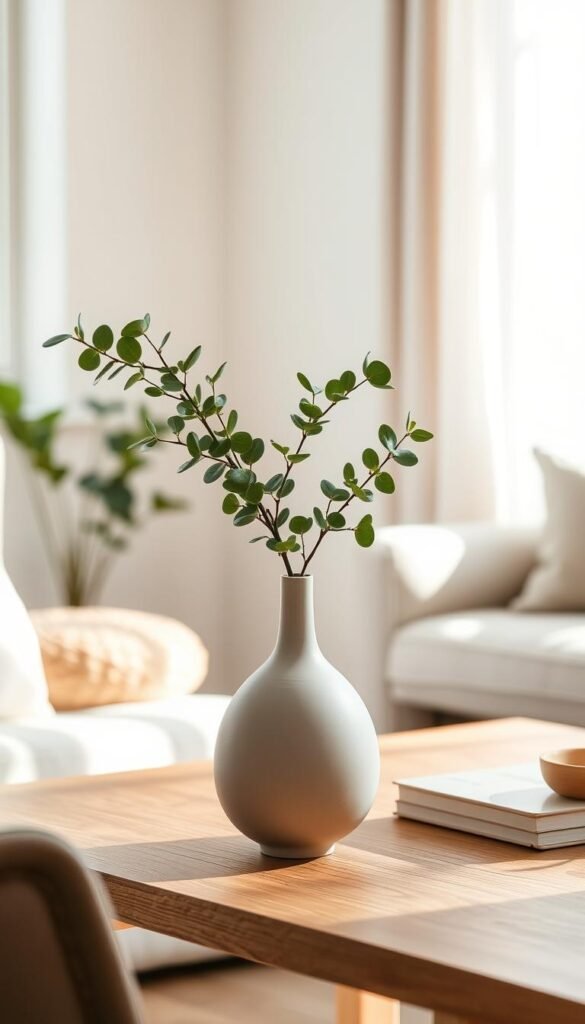
Plant terrarium with wooden stand
Why it helps: a terrarium uses a natural wood stand and high boron silicon heat-resistant glass. It fits windowsills, desks, and narrow ledges without taking much space.
Best-for: propagating cuttings and keeping a small, low-water plant colony. It contains humidity and shows growth without multiple pots.
Limits: watch for drips and condensation. Protect wood surfaces from moisture and keep the base steady on narrow sills.
Pop‑Up Book Vase
Why it helps: the Pop‑Up Book Vase is made from natural pulp with a water-resistant coating. The set includes three reversible designs and folds flat for storage ($39).
Best-for: renters who want fresh flowers without extra glassware. One compact item creates multiple display looks.
Limits: it suits small bouquets and needs gentler handling than ceramic or glass.
Buying considerations
- Water resistance: check seals and coatings to avoid leaks that harm wood or textiles.
- Stability: measure base width and center of gravity for narrow surfaces where knocks happen.
- Bouquet size: plan for small stems—these options favor curated arrangements, not large centerpieces.
„A single, well-placed plant or compact vase can make a space feel alive without adding clutter.“
Functional objects that double as minimalist decor (and reduce what you own)
Select pieces that replace drawer clutter with a single, well-made object that earns counter or shelf space. The goal is clear: fewer possessions, more useful surface area, and calm visual balance.
RetroWave 7-in-1 radio: emergency readiness without extra gadgets
Who it’s for: households that want prep tools consolidated into one compact unit.
What it does: Bluetooth/USB/MP3 playback, flashlight, SOS alarm, hand-crank and solar charging, power bank, and AM/FM/shortwave radio. Priced around $89, it replaces multiple single-purpose items.
Real downside: there is a learning curve to modes and charging methods. Test it before storm season to avoid surprises.
ClearMind kendama: screen-free breaks that look intentional
Who it’s for: people who want a low-cost, tactile reset at their desk that also reads like a shelf object.
What it does: larger cups and a bearing system make learning easier and reduce string twists. It sells for about $59 and doubles as a playful display piece.
Real downside: repeated drops can be noisy in small apartments, and real skill takes practice—best for patient users.
Buying considerations
One well-designed object can replace several single-use items and cut overall clutter. Check charging options, practice features, and whether the piece’s look fits your room style.
Retro or wood forms suit many interiors differently; match the piece to your daily living habits so it truly reduces what you own and improves daily life.
How to choose the right piece for your room and your habits
Identify the one small, repeat problem in the space and pick a single object that directly addresses it. This keeps purchases useful and prevents a rotating pile of things that almost solve a need.
Match the product to the pain point
Lighting, clutter, scent, or dead wall space—pick the one that causes the most daily friction. Buy the item that eliminates that friction first.
Use-case filters
Renters: favor leaning art, adhesive hooks, and battery or plug-in lamps with no hardwiring.
Dorms: prioritize portability and timers (battery lamps win here).
Small living rooms: choose low-footprint, visually quiet pieces that keep traffic clear.
Seasonal hosting: pick a single versatile accent that stores flat or packs away easily.
Pros and cons that matter below $100
Refills: scent cards or specialty wax add ongoing cost. Check availability.
Power: battery dependency adds upkeep; timers reduce friction.
Durability: paper/pulp needs gentle handling; metal and ceramic last longer.
How to avoid overbuying
One-surface rule: keep one clear surface free of extras. One-category rule: one scent system, one entry zone, one accent light.
Run this friction test: if setup is complex, cleaning is frequent, or use feels fiddly, skip it. Let one product prove its value before adding another.
| Pain point | Quick fix | What to check |
|---|---|---|
| Clutter | Small storage box or teak tray | Size, wipe care, sun fade risk |
| Harsh lighting | Battery lamp with timer | Battery type, run time, timer modes |
| Stale air | Card diffuser | Card refill cost, diffusion strength |
| Empty wall | Leaned mirror or lightweight print | Mounting method, moisture exposure |
Practical note: this way of choosing keeps a living room and the rest of the home focused, useful, and calm. Use the choices above as inspiration and buy one piece at a time.
Conclusion
Start with one targeted swap, and place it where the problem happens. Begin with a single piece that ends a daily annoyance—lost keys, glare, or scattered surfaces—and let that object prove its value before adding more.
Choose one high-impact category first: entryway organization, soft lighting, or smart storage. Match size, power needs, and maintenance to real habits so the item stays useful and easy to live with.
For renters, favor no-hardwire lighting, removable hangers, and compact footprints. Thoughtful choices in design make a small purchase feel like functional art and help a room work better.
Use the comparison snapshot to pick one product for your room. Test it for a few weeks, then reassess. A refreshed interior should look calmer because each object earns its place through function and quiet styling.