
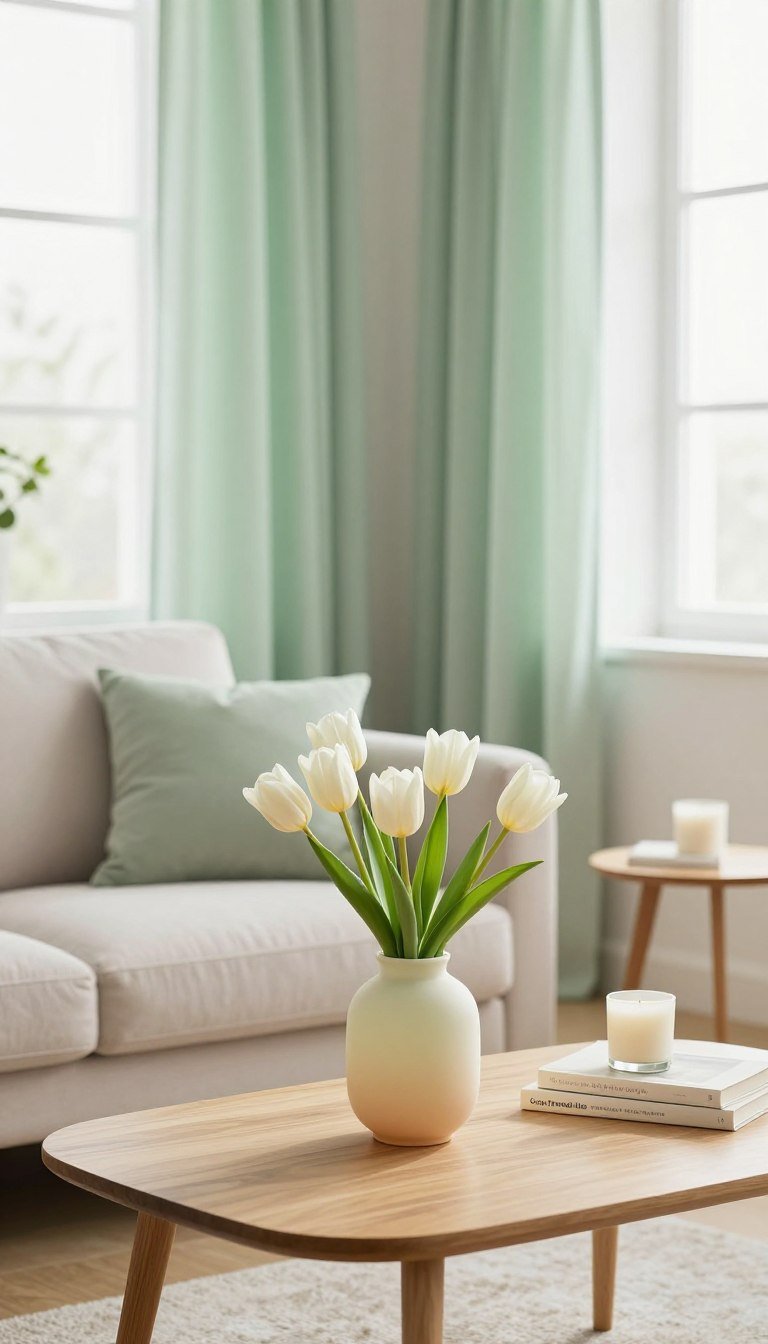
Problem: Seasonal refreshes often add clutter, especially in apartments and small rooms with limited surfaces and storage.
Many renters want a light, airy feel without permanent changes. This guide offers a short list of high-impact items that refresh a home with fewer pieces and a clean, modern look.
The approach focuses on renter-friendly swaps: damage-free accents, pieces that pack away easily, and low-commitment choices like faux tulips, moss spheres, fabric-covered books, small soaps, and ceramic bunnies.
What to expect: Each pick explains who it suits, what it solves, buying tips, and realistic pros and cons. The editorial method favors functional items — textiles, vessels, scents, and herbs — that work in real life, not just staged photos.
Styling rule: One statement piece per room, restrained color, and spring organics for texture without visual noise. The guide also offers quick decision aids such as comparison tables and product blocks for easy shopping.
Key Takeaways
- Focus on a few versatile items to reduce clutter and boost visual calm.
- Choose damage-free, easy-to-store pieces for renter-friendly updates.
- Look for functional accents: textiles, vessels, scents, and faux blooms in season.
- Each recommendation lists who it fits and practical pros and cons.
- Use one statement item per room and muted palettes for a modern look.
What “minimalist spring decor” means for a clean, modern home
A clean, modern seasonal refresh should add calm, not clutter, to compact living spaces.
Common spring decorating problems this guide solves
Homes often fill up with themed items that have no storage plan. Shelves look busy, and colors clash.
Renters face damage limits and little storage. Small surfaces quickly feel crowded.
The rule that prevents seasonal clutter
Fewer items, higher impact. Limit each room to one seasonal focal point and one supporting texture. Skip multiple small trinkets that compete for attention.
Quick filter: „If it needs a special storage bin, it must do a big job visually or functionally.“
How to choose a spring color palette that still feels modern
Use warm whites as a base. Add soft pastels sparingly and pick one muted accent, such as duck-egg blue.
This way, the room reads calm and cohesive rather than rainbow-bright.
| Common Pain | Simple Fix | Footprint | Renter-Friendly |
|---|---|---|---|
| Too many themed items | One statement piece | Small | Yes |
| Busy shelves | Negative space + tray | None | Yes |
| Mismatched colors | Warm white + muted accent | Visual only | Yes |
This guide offers curated ideas that solve real problems—pets, allergies, tiny surfaces, and renter limits—so choices are useful, not just pretty.
How we picked renter-friendly, small-space spring decor essentials
Selection focused on renter-friendly pieces that refresh a small home without undoing walls or wiring.
The process favors damage-free, low-commitment upgrades. Items must hang with removable hooks, sit freely, or lean. No drilling, painting, or permanent fittings are required.
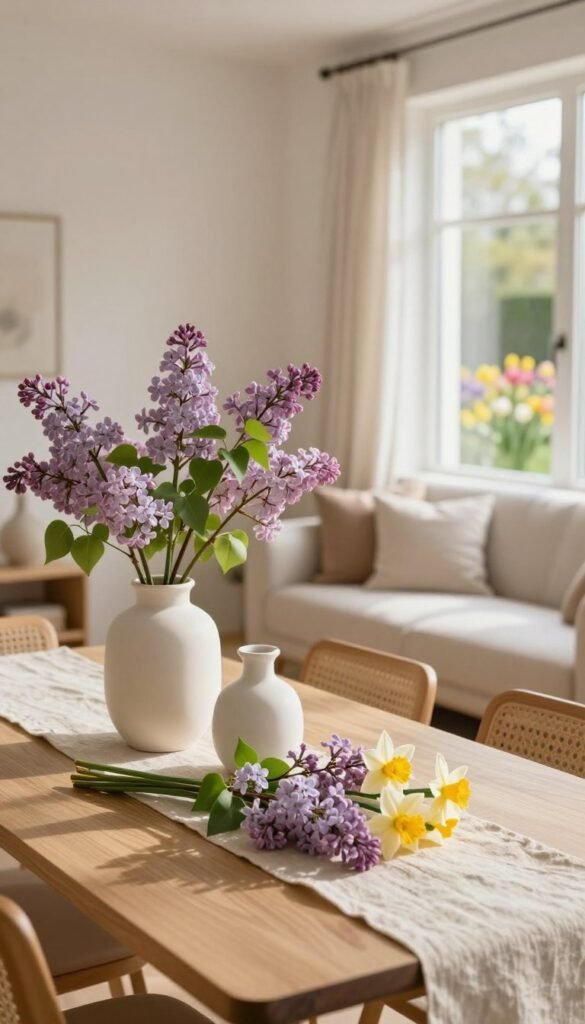
Storage footprint and pack-away priorities
Each pick packs flat, stacks, or nests. Bulky seasonal-only items are deprioritized unless they replace several other pieces. This keeps surface clutter low and storage small.
Seasonal realism for convincing blooms
Faux stems follow a simple rule: use them only for blooms that are actually in season outside right now, such as tulips and forsythia. That avoids obvious fakes and keeps arrangements believable.
Materials and quiet, elevated textures
Choices favor ceramic, linen or cotton, simple glass, and natural-looking faux stems. The focus is on textures—moss, branches, and linens—so the space feels fresh without extra color noise.
- Renter criteria: no nails, no holes, moveable pieces.
- Surface fit: small tables, slim consoles, and mantels only.
- Long-term use: swaps that work across seasons, not one-off items.
Best minimalist spring decor that makes the biggest impact with the fewest pieces
Let one clear focal object do the heavy lifting for a refreshed room. This section builds a buyer-focused shortlist and splits essentials from extras so purchases stay useful and renter-friendly.
Quick comparison: high-impact essentials vs. nice-to-have extras
| Item | Impact | Footprint | Renter-friendly | Care |
|---|---|---|---|---|
| Vase + tulips/branch | High | Small | Yes | Low |
| Lightweight textiles (pillow cover/throw) | High | Small | Yes | Medium |
| Scent or hand soap | High | None | Yes | Low |
| One subtle accent (moss bowl, single figurine) | Medium | Small | Yes | Low |
| Additional figurines / multiple bowls | Nice-to-have | Medium | Yes | Medium |
How to use one statement piece per room without overstyling
Rule: stop after the focal point and one supporting item. Leave at least one clear surface visible.
Examples make this simple: one tall branch arrangement on the dining table, a wreath at the entry, or a bowl of moss on the kitchen island. These choices shift the room’s mood without adding clutter.
Pick items with clean lines, a limited palette, and practical function so they can remain in place beyond the season. Later sections include affiliate product blocks and detailed comparison tables to help buyers choose confidently.
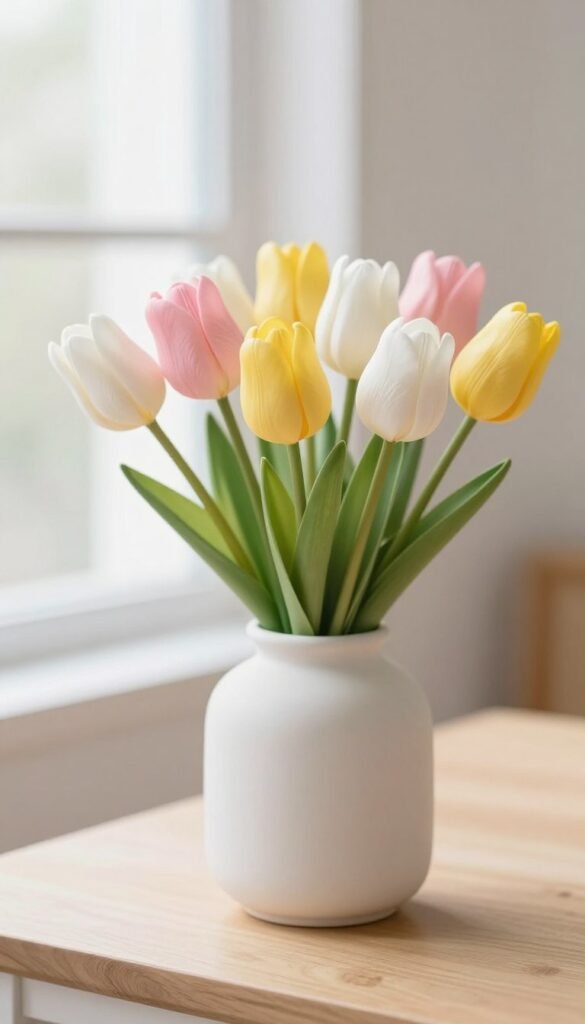
Faux tulips that look real and stay airy all spring
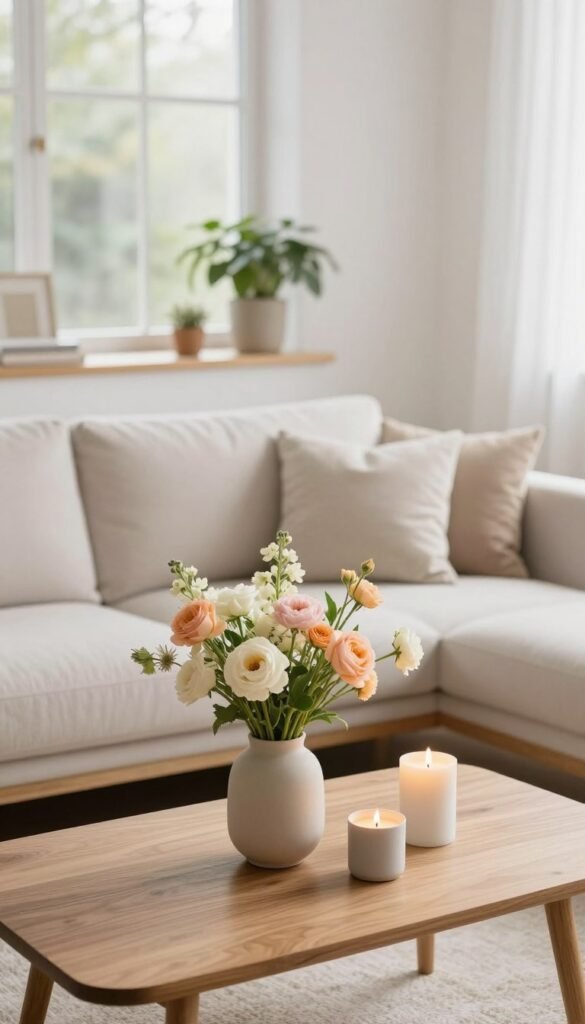
Faux tulips are a practical solution for homes that need spring color without the upkeep. They suit busy households, pet owners, and allergy-sensitive rooms. Use quality stems so the arrangement reads convincing from across a room.
Who they suit and what to look for
- Who: households that want flowers without weekly replacements or pollen concerns.
- Realism criteria: flexible stems that can droop, muted white or blush tones, and true-to-life bloom shape.
- Authenticity rule: choose flowers that are in season outside—tulips read natural in springtime.
Placement and pairing
In small kitchens, „flop“ a few stems in a basket lined with a white cotton napkin on the kitchen table for a casual look. Cluster stems in a wide-mouth pot for a relaxed, airy feel.
Pair with a simple, clean-lined vase or crock to avoid visual clutter.
Quick pros and cons
- Pros: low maintenance, pet-safe, consistent look.
- Cons: lacks scent and natural movement; fresh tulips offer brief, authentic life.
Buyer’s tip: opt for fewer, higher-quality stems rather than many cheap ones that read obviously faux.
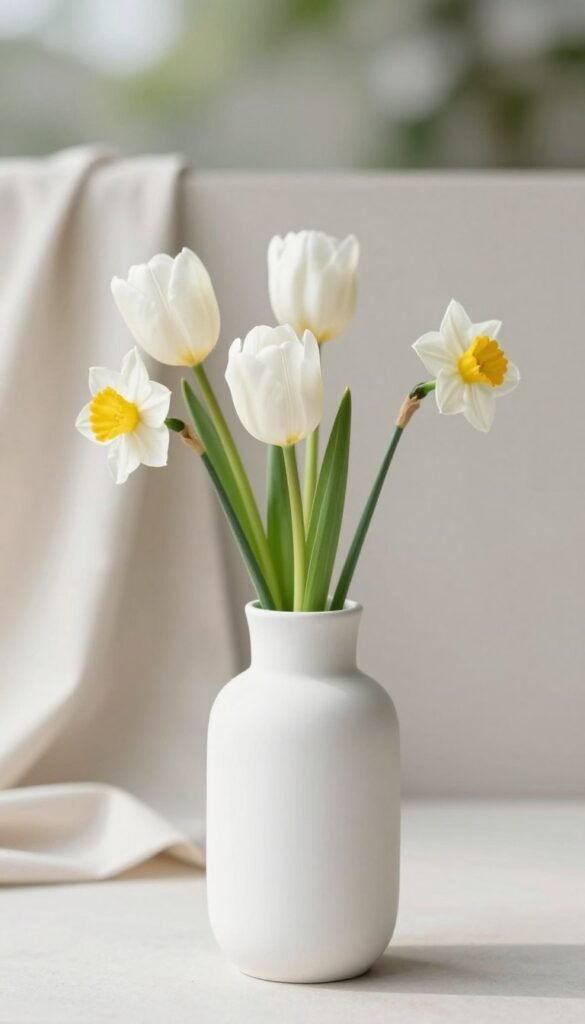
Clean-lined vases, crocks, and bowls that keep spring flowers from looking cluttered
In small spaces, the right vessel transforms loose stems into a composed arrangement that reads intentional.
Best for: small spaces that need one anchored focal point
Flowers can look messy fast when the opening is too wide or the pot is oversized. Busy patterns or light-weight vessels fail to control stems.
Solution: pick a single clean-lined vase, crock, or shallow bowl to anchor a table or mantel. A single anchored piece simplifies styling and reduces visual noise in a compact room.
Choosing the right opening: narrow neck vs. wide mouth
Narrow necks keep stems tidy and require less arranging. Wide-mouth pots look casual but need stem control to avoid sprawling clutter.
Buying tip: for easy upkeep choose a tall vase for long stems or a No. 2 crock-style vessel for a grounded look. Shops like Vintage North 44 on Etsy often carry usable stoneware crocks.
How to keep tulips looking natural in wide containers
Bend tulip stems gently so they occupy space and stay in place. Let a few blooms drape over the edge to mimic natural growth.
Choose matte ceramic, simple glass, or neutral stoneware for reduced visual noise and pleasant textures. Crocks work best in kitchens, built-ins, and mantels where a heavier vessel visually grounds airy stems.
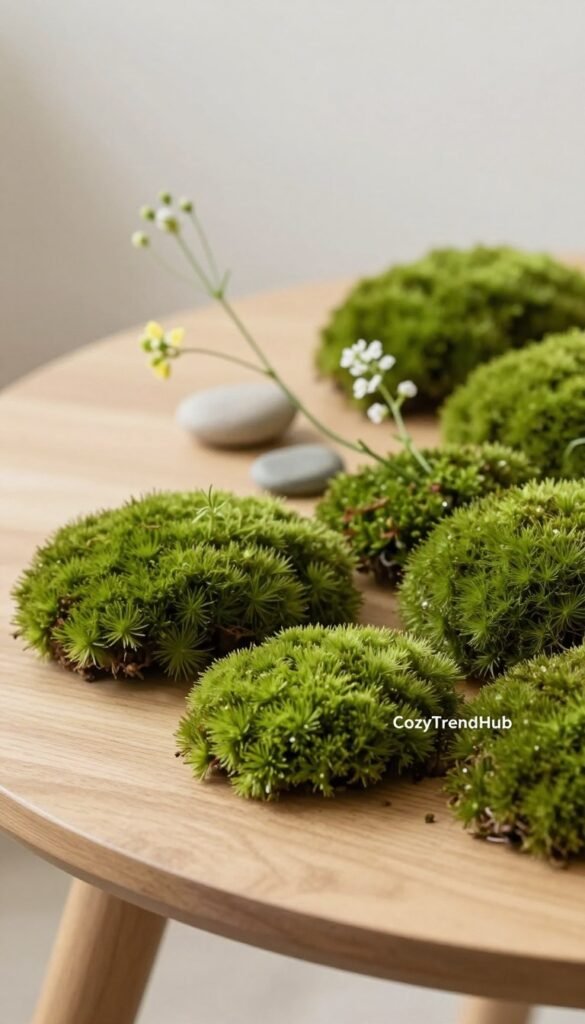
Green moss spheres and subtle “spring organics” for texture without more color
An intentional bowl of greenery gives a compact space an instant seasonal lift. Moss spheres add depth through textures rather than new hues, so a neutral room reads fresher without a color overhaul.
Best for
Neutral homes that need a quiet refresh. A single organic element balances ceramics, books, and linens and feels natural in a rented home.
Where they work best
- One ceramic bowl on a kitchen island.
- A single shelf in a dining built-in.
- A small focal spot on a console or mantel.
Buying considerations
Choose a size that fills the bowl without overflow and a realistic green tone (avoid neon). Pick a finish that won’t shed and is easy to store when the season ends.
Pros and cons
| Type | Pros | Cons |
|---|---|---|
| Real moss | Organic look, subtle variation | Can shed; occasional refresh needed |
| Faux moss | Low mess; reusable year after year | Quality varies; may look plastic if cheap |
Quick tip: use moss spheres as the single organic thing in a vignette to keep a small space calm and cohesive. This is a perfect time to add greenery without clutter.
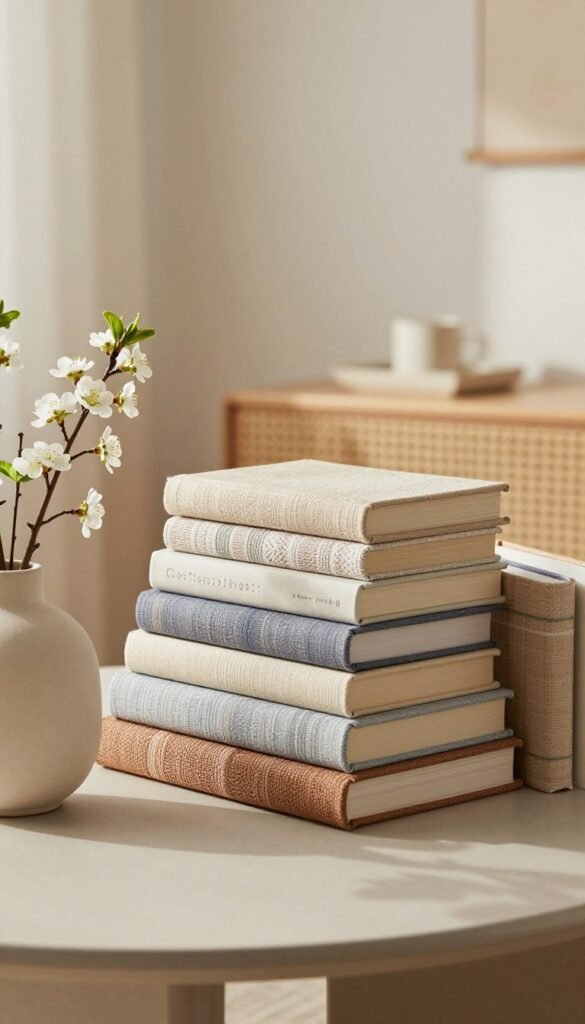
Fabric-covered decorative books that add height while hiding everyday clutter
Stacked fabric-covered books give short surfaces instant structure while hiding daily clutter.
Best for renters who need styled surfaces
Why it works: These covered books create height and form without built-ins. They keep remotes, matches, and small items tucked away under a neat stack.
How to use book stacks to organize a surface
Place a small tray for remotes beside a stack. Lift a candle or vessel on top to make the vignette intentional. Limit to one stack per major surface to avoid visual noise.
Buying considerations
- Match covers to your room palette: warm whites or soft blues blend well.
- Pick spine thickness for proportion—thicker spines add presence on a coffee table.
- Choose wipeable fabric or laminated covers for easy cleaning and longer life.
| Feature | Why it matters | Recommended choice |
|---|---|---|
| Color | Anchors palette | Warm white or muted blue |
| Spine thickness | Controls height | Mix thin + one thick for balance |
| Finish | Durability | Wipeable fabric or coated cloth |
Practical note: Fabric-covered books reduce the need for many small pieces by creating structure with a single purchase. They help a compact home feel tidy and styled with low effort.
Minimal seasonal accents that don’t take over your space
One well-chosen piece can refresh a room without turning surfaces into a themed display. Choose a single ceramic bunny pair or a small wooden cutout set and place it where it reads intentional.
Ceramic bunnies and wooden cutouts as one-and-done pieces
Why this works: a single sculptural object gives a clear seasonal cue while keeping clutter low. Pottery Barn–style mini ceramic bunnies and simple wooden cutouts (Rustic Occasion style) offer low-cost, renter-friendly options.
Best placements
- Entry table — instant seasonal recognition without extra surfaces.
- Mantel — symmetry and a little height make a single piece feel deliberate.
- Dining table — pairs as a subtle companion to a vase or runner.
Buying considerations and a simple stop rule
Choose simple silhouettes in neutral colors: white, black, or natural wood. These keep the item flexible across styles and seasons.
Stop rule: if the accent needs multiple surfaces to display, it’s no longer a single piece and should be skipped.
| What it solves | Recommended option | Drawbacks |
|---|---|---|
| Too many themed trinkets | One ceramic bunny pair or one wooden cutout set | Limited seasonal use; needs storage afterward |
| Easter overload on shelves | Place one piece on an entry table, mantel, or dining table | Multiple pieces create visual noise and storage work |
Pros: quick mood shift, low cost, easy to store. Cons: themed items can feel dated and multiply if not limited.
Lightweight spring textiles that instantly modernize a room
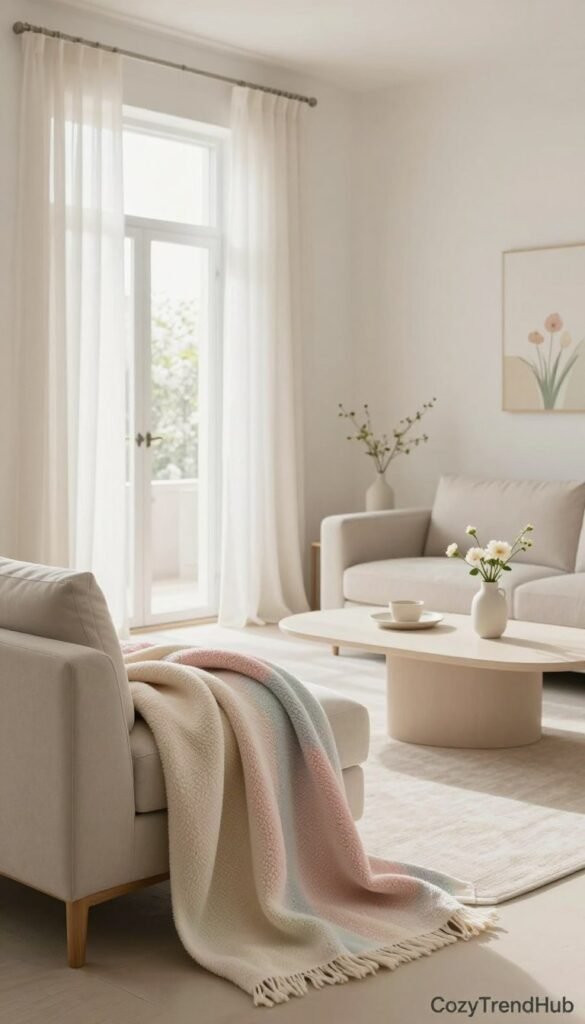
Best for: living rooms and bedrooms that feel heavy after winter
Winter blankets and dense drapes make a room feel dark and crowded. Small spaces with limited natural light show that weight quickly.
What to swap
Start with pillows: change covers to cotton or linen for an immediate, low-cost update. Next add a lighter throw. Then consider new bed linens if needed.
Color plan that keeps a modern look
Use warm whites as the base. Add one soft pastel accent and consider duck-egg blue as a calm option that lasts beyond the season. Limit new colors to one focal accent so surfaces stay calm.
Fabric and buying considerations
- Materials: choose cotton for easy care and breathability; pick linen for subtle texture and an elevated feel in a small home.
- Care: prefer machine-washable covers and throws.
- Scale: pick small-scale patterns or solid tones to avoid visual clutter.
- Practical tip: fewer well-filled pillows look neater than many mismatched cushions that slide onto the floor.
Spring scents and hand soaps that refresh a home with zero clutter
Scent choices can act as invisible styling—no shelves or trays required. For tiny apartments, a seasonal swap of hand soap and a single scent device refreshes the whole space without taking up display room.
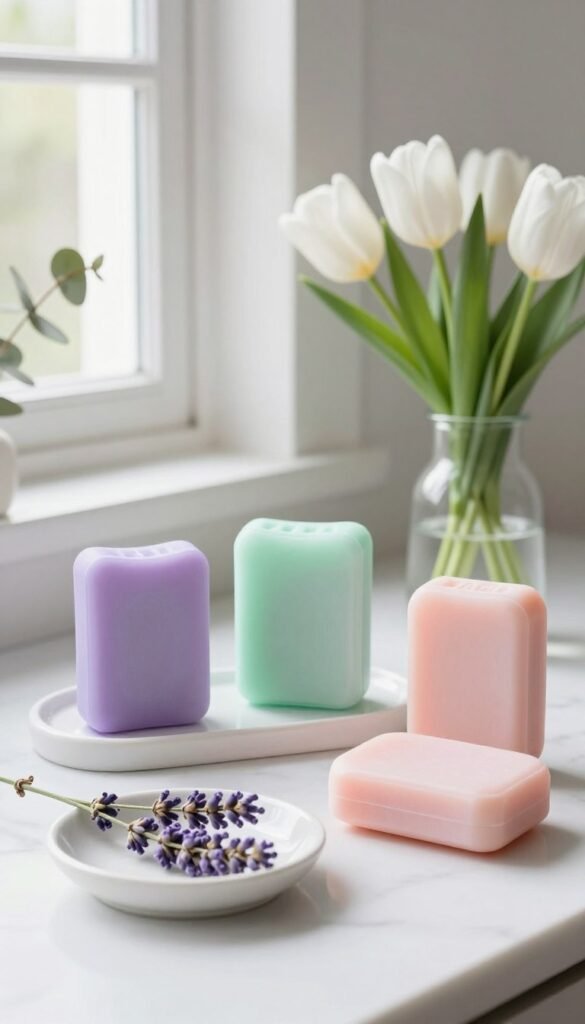
Best for: tiny apartments where surfaces are limited
Keep a functional soap at every sink and one steady scent in shared areas. That delivers a cohesive spring home feel with minimal effort.
Kitchen vs. bathroom scent strategy
In the kitchen, choose a clean, citrus-forward soap that reads fresh during the day. In bathrooms, use a lighter floral or green note so the whole home smells consistent without clashing.
Formats compared: soaps, candles, diffusers
| Format | Pros | Cons |
|---|---|---|
| Hand soaps | Functional, visible daily, lowest clutter | Packaging can be bulky; swap for simple pumps |
| Candles | Warm ambiance | Requires surface space and monitoring |
| Diffusers | Steady scent, small footprint | Needs refills and careful placement |
Buying tips: pick pump bottles with neutral labels, avoid bright packaging, and stick to one scent family for a simple spring aroma that ties things together.
Damage-free spring wreaths for a modern entryway
A welcoming wreath can refresh an entry without drilling holes or permanent hardware. This is a smart option for renters who want curb appeal and a clear seasonal signal without repair work.
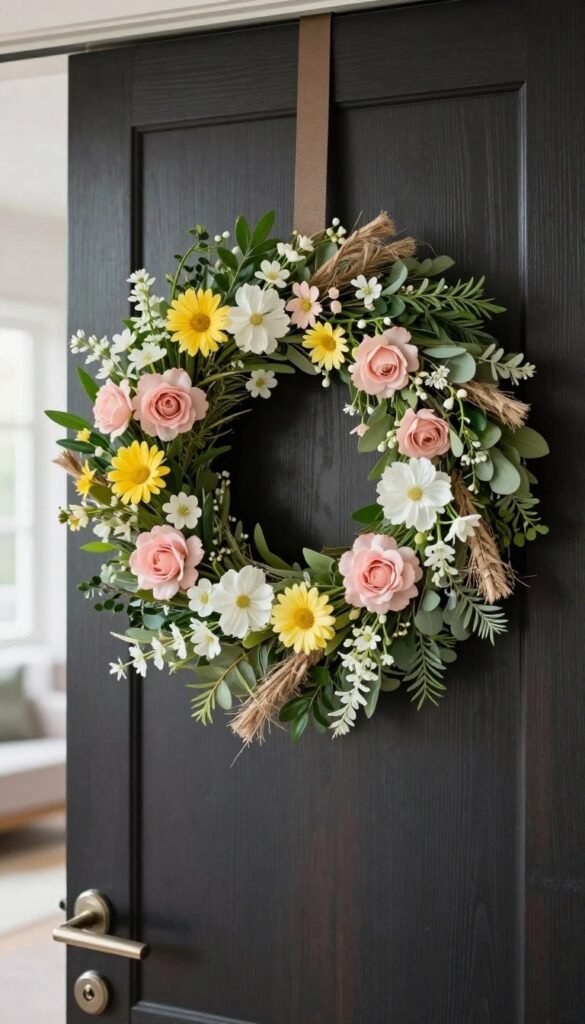
Best for renters who want curb appeal without nails
Why it works: a single exterior piece makes a tidy first impression and keeps interior surfaces calm. Use an exterior hook that fits over the top edge of the door or an adhesive hanger rated for outdoor use.
What to look for
- Choose a grapevine base for natural texture and durability.
- Pick a limited set of faux blooms and subtle moss for depth without extra color noise.
- Favor airy spacing and muted tones so the wreath reads modern from a distance.
Buying considerations
| Check | Why it matters | Practical note |
|---|---|---|
| Door width | Prevents the wreath from overwhelming the entrance | Pick a wreath 40–60% of door width |
| Storage depth | Fits in a closet or under the bed | Choose a flat-back grapevine or removable accents |
| Reusability | Stretch value across seasons | Buy quality faux blooms and replace ribbons each year |
Style note: let the wreath be the single seasonal statement on the exterior. That keeps the interior of the home quieter and the overall spring decor uncluttered.
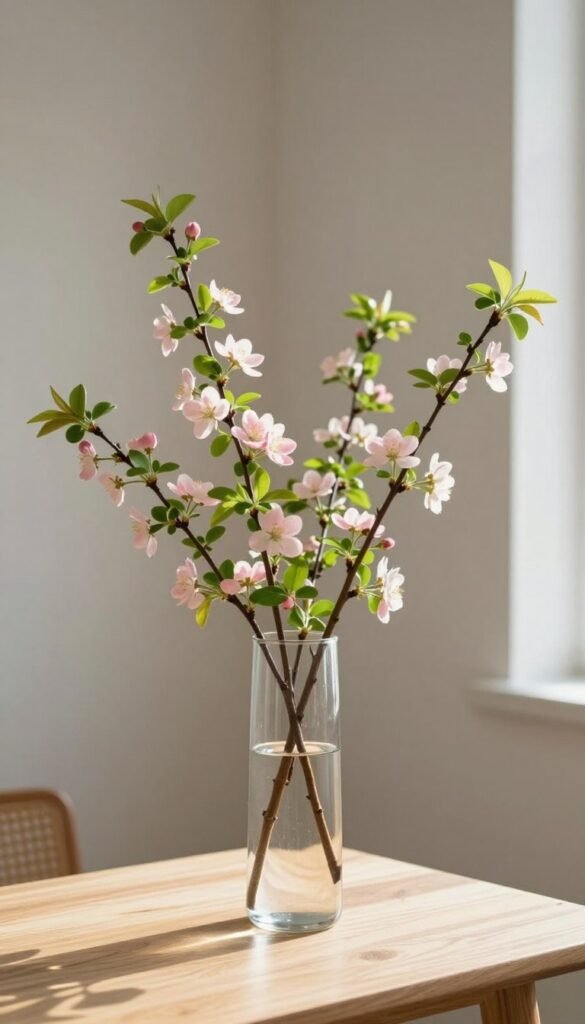
Blooming spring branches for tall, sculptural minimalism
Tall branches give a small room immediate scale and a quiet, sculptural presence.
Best for: a dining table or console that needs vertical interest without clutter. One branch reads deliberate and keeps the surface usable for daily life.
Forsythia and quince styling
Forsythia brings bright, early color and is often available at Trader Joe’s. Quince offers refined, showy flowers and can be ordered from shops like Terrain.
For a luxe, restrained look use a single branch type in a simple vessel. Let the stems breathe—avoid adding many other small pieces.
Forced vs. faux: quick tradeoffs
| Type | Pros | Cons |
|---|---|---|
| Forced branches | Real variation and short-lived perfume | Seasonal and needs water |
| Faux branches | Predictable shape and long season | Can feel static if low quality |
Buying and placement tips
Pick a weighted vase that won’t tip when stems are tall. Check branch height against ceiling and sightlines so the piece doesn’t block views across the room.
Minimalist placement tip: one vessel, one branch type, and nothing else on that surface unless it serves a function. This keeps the idea aligned with clean springtime styling and practical spring decor ideas.
Kitchen and dining minimalist spring decor that’s actually functional
A useful table vignette delivers a refined look without getting in the way of dinner.
Keep the table ready for meals. Styling that requires daily removal isn’t practical for families or renters. Instead, aim for pieces that sit quietly while you use the surface.
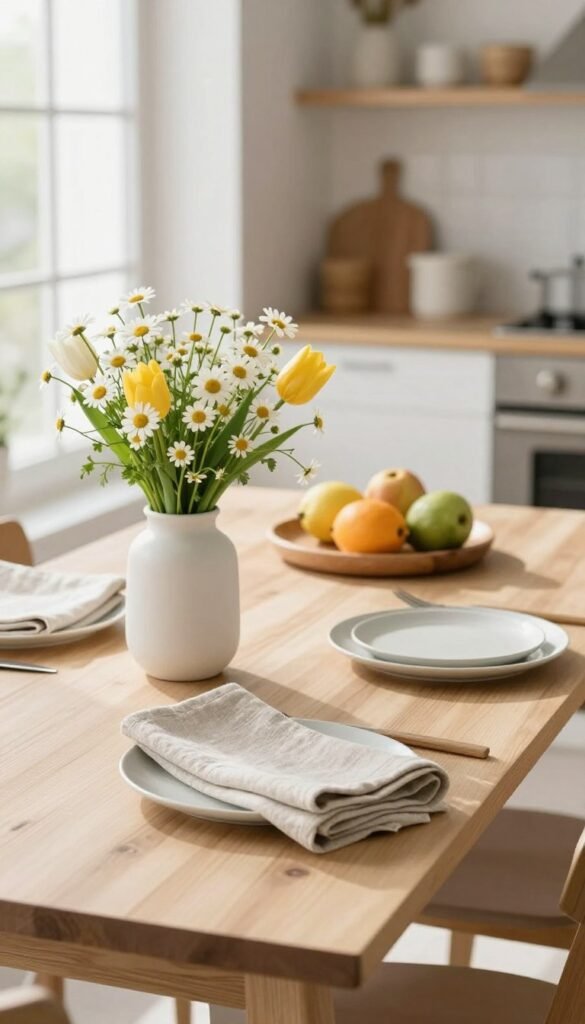
Simple table styling with one vase, one linen, and one candle
Formula: one vase + one linen + one candle. This trio finishes the table without crowding it.
- Vase: slim or low so sightlines stay open.
- Linen: a machine-washable runner or set of napkins.
- Candle: a stable holder that won’t tip during meals.
Centerpiece alternatives that leave room for real life
Try a low bowl with moss spheres for a short centerpiece. A single crock with a few tulips works on narrow tables.
A slim bud vase keeps space for plates and schoolwork. Pick one element, not a layered display.
Buying considerations: table size, wipeability, and everyday durability
Choose washable linens and wipeable fabrics. Opt for weighted vessels and sturdy candle holders.
„If the table has to be cleared every day, the decor is too big for the space.“
Follow that rule to keep the kitchen and dining area both pretty and usable in real life.
Indoor herb pots as spring decor you can use every day
A few planted herbs make a kitchen feel intentional and earn their place on the counter.
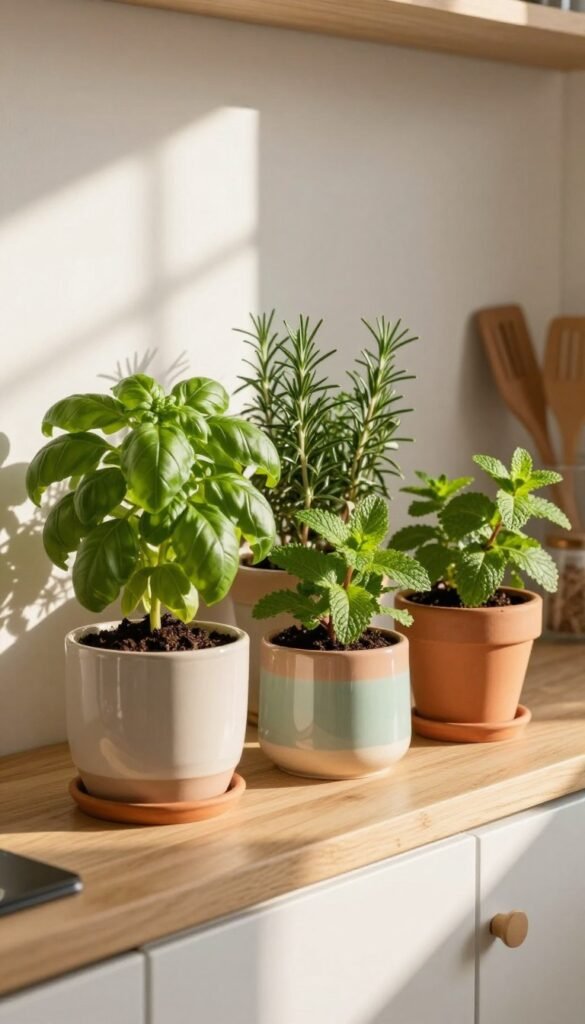
Why choose herbs: They solve the “decor that does nothing” problem by adding living color and practical use. Herbs provide scent, quick access for cooking, and quiet texture that suits a small home.
Best for: small kitchens and anyone who wants decor with a purpose
Herb pots are ideal where counter space must earn its keep. One or two pots replace a separate centerpiece and give steady value all season.
Easy herbs to keep indoors
- Mint: forgiving and fragrant; prune often to prevent spreading.
- Basil: bright flavor; needs steady light and regular harvesting.
- Thyme: low water needs and compact growth.
- Oregano: hardy and useful for many dishes.
Start with one or two plants. Expand only if light and time allow. These choices work well in early spring and beyond.
How to make herb “bouquets” for a subtle springtime look
Clip a few sprigs and place them in a simple jar or small vase for a quick, lived-in arrangement. A trimmed bundle reads like fresh flowers but stays useful for cooking.
Use neutral jars or plain glass for a calm look. Place a single jar on a windowsill, island, or a small tray to keep sightlines clean.
Buying and placement considerations
| Container tip | Care level | Light needed |
|---|---|---|
| Choose pots that fit the windowsill and include drip trays | Low to medium: regular trimming and watering | Bright indirect light; 4–6 hours preferred |
| Avoid oversized planters that hold excess soil and mess | Easy to manage for renters with short routines | South or west-facing windows are best in small spaces |
| Pick one neutral planter style for cohesion | Start small; repot only when roots crowd | Supplement with a grow light if natural light is low |
Practical note: Herbs act as living greenery that adds scent and usable produce. They keep the room feeling alive and useful, and they align with a modern way to refresh without clutter.
Small-space spring styling formulas for living rooms, shelves, and mantels
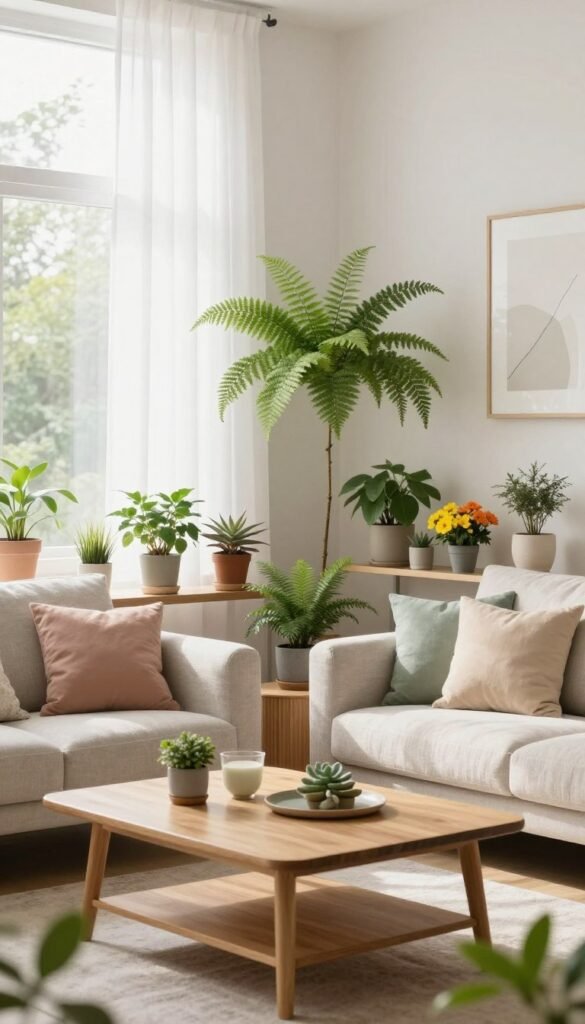
A focused approach to shelf styling prevents the gradual buildup of tiny, competing objects. Use a simple formula that limits item count and gives each piece a clear job.
The minimalist vignette method
Formula: tray + one book stack + one vessel + one organic element.
This yields height, shape, containment, and texture without clutter. Place the tray first to anchor items and make removal easy. Add a low stack for lift, a single vase or crock for shape, and one bowl of moss or a small plant for textures.
How to keep open shelving from looking busy
Leave at least one shelf intentionally empty to create breathing room. Repeat materials and colors across shelves so the eye reads coherence, not chaos.
- Limit seasonal items to one shelf only.
- Group similar finishes—matte ceramic, warm wood, or neutral trays.
- Avoid scattering many small pieces across multiple levels.
Where to place greenery so it reads “clean,” not crowded
Choose one medium plant or one small bowl of moss per visible zone. A single green element on a mantel or console reads calm; multiple tiny stems can look like a mess from a distance.
Placement tips: put plants at eye level or lower, away from heavy traffic. Use neutral planters so foliage does the seasonal signaling, not bright pots.
Pros and cons: vignettes in small spaces
| Pros | Cons | Exit strategy |
|---|---|---|
| Adds polish quickly; low item count keeps surfaces usable. | Can collect dust; may need daily clearing if surface is used often. | Keep trays, neutral vessels, and one stack of books year-round; swap only the organic piece. |
| Helps rooms feel intentional without many purchases. | Overly themed items date quickly and demand storage. | Pick versatile neutrals so most pieces transition between seasons. |
Quick guardrails: stop at four items per vignette, maintain negative space, and choose one repeating finish for cohesion. For living room and small-room styling, this method reduces the clutter spiral while keeping the space functional and calm.
Buying checklist and comparison table for minimalist spring decor essentials
Start shopping with a clear checklist so purchases solve real needs, not create clutter. Follow a few checks while browsing: measure surface space, pick a restrained palette, confirm storage, and commit to one statement item per room.
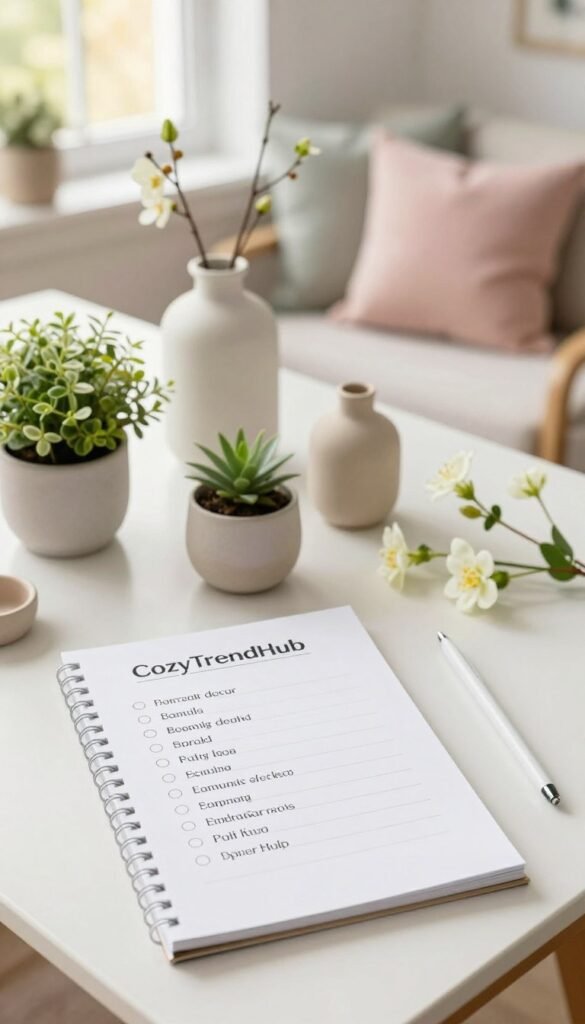
What to prioritize if only buying a few pieces
- A clean-lined vessel — anchors arrangements with a small footprint.
- Tulips or one tall branch — adds vertical interest without many items.
- Lightweight textiles — pillow covers or a throw for instant warmth and texture.
- Soap or a single scent — refreshes the whole home with zero display clutter.
What to skip for a modern, clutter-free look
Avoid large themed sets, oversized centerpieces that block use, and out-of-season faux blooms that read obvious. Choose pieces that tuck into a small bin for storage when the season ends.
Quick renter-friendly filter
Only buy items that need no drilling or permanent fixings. Prefer weighted vases, removable hooks, and textiles that fold flat for easy storage.
| Item | Best for | Footprint | Renter-friendly | Season length | Care level |
|---|---|---|---|---|---|
| Clean-lined vessel | Tables, mantels | Small | Yes | All season into early summer | Low |
| Tulips / Branches | Dining table, console | Small to medium | Yes | Short to medium (fresh) / long (faux) | Medium |
| Lightweight textiles | Living room, bedroom | None (folds away) | Yes | All season | Medium |
| Moss bowl / organic piece | Shelf, island | Small | Yes | Seasonal; reusable | Low |
| Soap / scent | Kitchen, bath | None | Yes | All season | Low |
Season-length guidance: favor items that transition into early summer—neutral vases, linen textiles, and herbs—so purchases feel useful beyond a short time. This raises value and reduces the urge to buy more.
„If it needs a special storage bin, it must do a big job visually or functionally.“
Conclusion
Swap a few practical items and the whole apartment can feel fresher the very next day. Focus on one statement piece per room, a restrained palette, and functional swaps that earn their place in a small home.
Core idea: reduce clutter and increase freshness with fewer, intentional pieces—flowers or branches, a clean-lined vessel, a lightweight textile, or a simple soap change.
Next steps: pick a palette, choose one surface to refresh, and buy only one or two items from the checklist. Keep shelves partly clear and resist adding many small accents.
These ideas make seasonal updates easier to store, easier to live with, and simple to repeat next year—so the room’s mood stays calm and usable without extra work.