
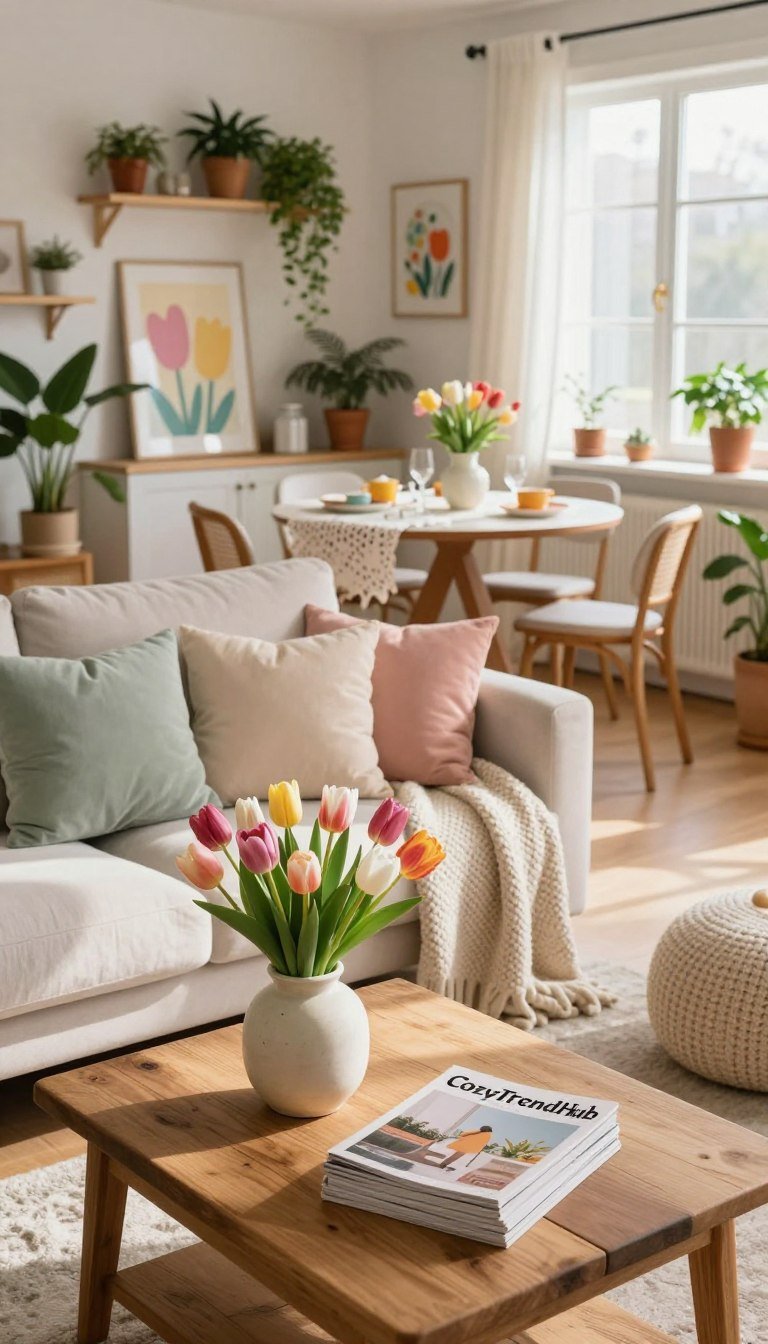
This guide solves a common rental problem: small rooms, limited storage, and lease limits make seasonal styling tricky. The aim is simple: add freshness without damage or clutter.
Renter-friendly picks mean removable, lightweight pieces that tuck into a bin at move-out. Items are sized for narrow shelves and small tables. Each pick will note what it fixes — dark corners, tight entries, or tiny tabletops — and what to compare before buying.
The approach stays light, airy, and minimal. Start from a neutral base — whites, creams, grays, beiges — then add a few seasonal color pops. Mirrors and suncatchers boost brightness and make rooms feel larger.
This guide is organized by room and by category to help readers jump to useful solutions. It previews practical wins: candles for quick mood changes, single-stem vases for impact, trays to corral clutter, textiles for fast swaps, and compact light-boosters. Recommendations focus on usefulness, value, and real-life limits like pets, allergies, cleaning, and storage.
US shopping options and local-maker ideas appear later for readers building a reusable set year after year.
Key Takeaways
- Choose removable, lightweight items sized for small spaces.
- Build from neutral tones and add a few seasonal color pops.
- Pick pieces that solve a clear problem: light, clutter, or scale.
- Use mirrors and reflective accents to brighten rooms without crowding.
- Focus on value, pet- and allergy-friendly choices, and easy storage.
What makes spring decor “apartment-friendly” for renters
A renter-friendly refresh focuses on temporary touches that lift a room without damage or long-term storage pain. This section outlines simple rules renters can follow when choosing seasonal items.
„Keep changes removable, lightweight, and sized to the space — then store everything together at season’s end.“
Damage-free decorating priorities
Choose removable mounting: adhesive strips, over-the-door hangers, and tension rods protect walls and doors. Prefer lightweight pieces that hang or sit without screws.
Protect surfaces: non-scratch pads under accessories and soft bumpers on hangers prevent scuffs on counters and furniture.
Small-space rule: keep it light, airy, and uncluttered
Fewer items, more breathing room. Select accents that visually lift a space — mirrors, slim vases, and narrow throws — instead of filling every surface.
Start from neutrals and add one to three seasonal pops to maintain a cohesive look without a full overhaul.
Seasonal swaps that won’t create storage headaches
Prioritize pieces that nest, collapse, or pack flat. Avoid bulky seasonal-only items unless they double as storage or serving pieces. Store swaps in a single labeled bin to keep clutter down.
- Quick buyer checklist: weight, mounting method, footprint size, wipeability, residue/holes.
- Measurements to take: door width, tabletop depth, shelf height — buy with these on hand.
- Pros/cons: fast refresh vs risk of clutter. Use a dedicated bin to limit overflow.
Each following category in this guide will include “best for” scenarios and a short comparison to make buying decisions easier. Use these rules as a simple way to keep a seasonal update damage-free and storage-smart.
Best spring decor for apartments: quick picks by room and problem
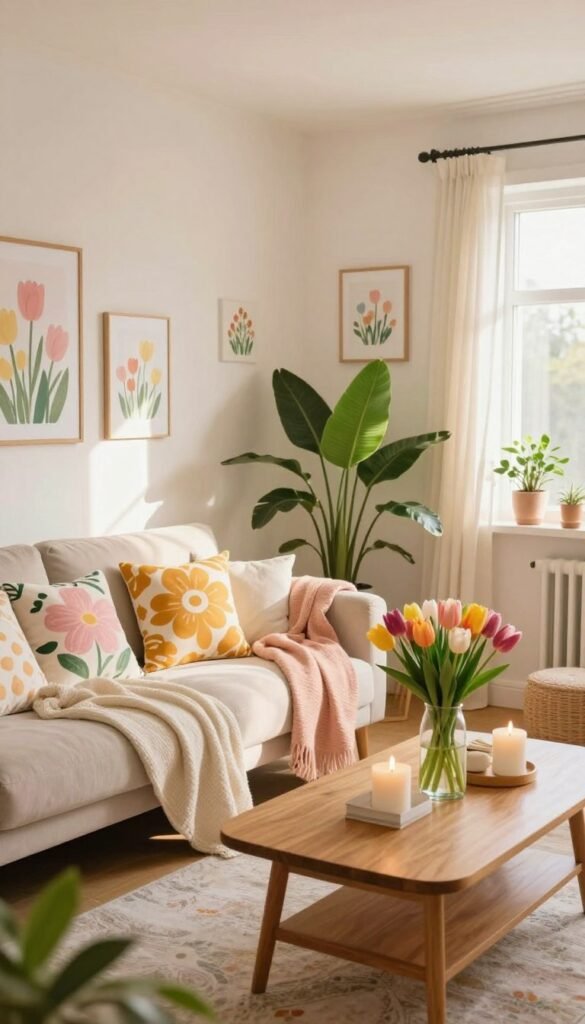
Smart, low-commitment touches give a compact living space instant polish. The lists below match common small-space problems with fast, renter-friendly solutions. Use the „choose-your-room“ shortcuts to act fast.

Tiny living rooms that need a quick refresh
If your living room feels crowded: swap pillow covers to a lighter fabric, add a single vase with spring branches, group items on a small tray, and hang a mirror or suncatcher to boost light.
Kitchen counters and dining tables with limited prep space
If surfaces are tight: pick a compact, low-centerpiece or single-stem vase that won’t block sight lines. Upgrade to a sleek soap dispenser to tidy the sink without losing prep area.
Entry doors and narrow hallways
If your entry is cluttered: use a damage-free wreath or door basket and a slim tray or bowl as a drop zone. This reduces visual clutter and keeps keys and mail contained.
- Who this fits: busy renters, minimalists, people who hate seasonal storage, and casual hosts.
- Pros/Cons: quick and affordable vs. risk of over-layering small surfaces.
- Buying tips: measure coffee table depth and dining clearance; confirm door-hanging method won’t scratch paint.
For deeper picks on candles, vases, trays, textiles, rugs, and entry pieces, see the dedicated sections below.
Candles and candle holders that make a spring apartment feel fresh
A single candle can reset stale winter air and add a gentle seasonal touch within minutes.
Who they help: Renters who can’t paint, people with small surfaces, and anyone wanting a quick seasonal change.
Best for chilly days: clean-burning, light fragrances
Use light scents on cool days to avoid overpowering a small room. Try notes like fresh-cut grass, rain-soaked earth, rosemary, or bergamot blends.
What to compare before buying
- Wax type — soy or beeswax blends burn cleaner.
- Wick count and burn hours — longer runs mean fewer swaps.
- Soot reputation — check reviews for smoke issues.
- Vessel reuse — glass jars are easy to repurpose.
Single statement vs mixed tapers
A single wide jar is simpler and safer in tight spaces. Tapers add height and style but need stable holders and room to store them.
Placement tips: Keep away from HVAC drafts and crowded shelves. Use glass hurricanes for stability and pet safety.
| Type | Price/oz | Burn hours | Scent family / Vessel |
|---|---|---|---|
| Retail jar | $1.50 | 40–60 | Citrus/Glass jar |
| Local chandler | $2.50 | 45–70 | Herbal/Reusable glass |
| Taper set | $1.00 | 5–8 (each) | Neutral/Decorative holders |
Pros/cons: Candles give fast scent and a warm touch, but fragrance sensitivity and open flame need ventilation and caution.
Vases, faux flowers, and real blooms that fit small spaces
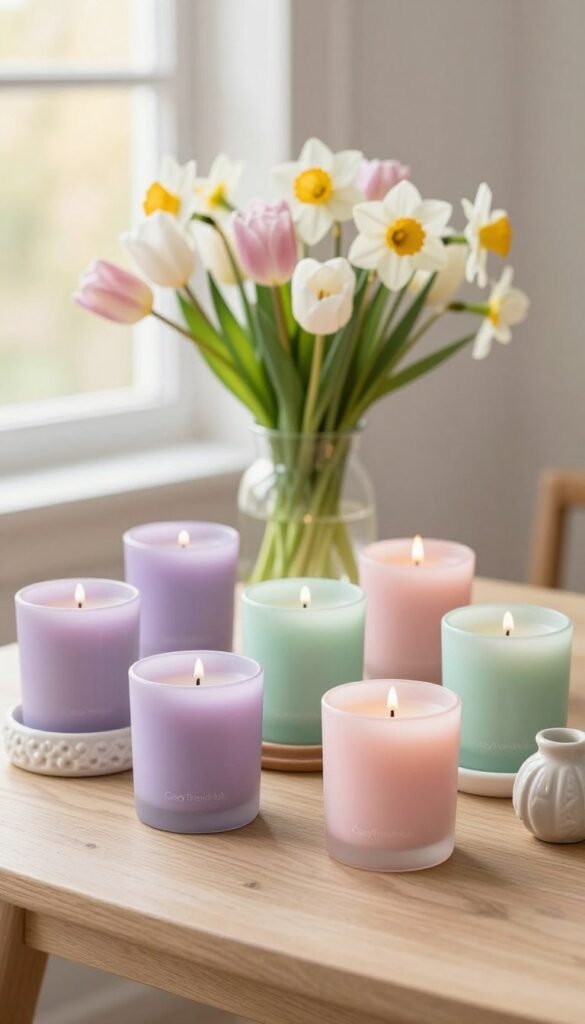
Small vases and a single stem can refresh a tiny space without crowding it. This section helps renters decide between faux and real blooms, choose a suitable vase, and style arrangements that suit narrow shelves and windowsills.

Who should pick faux vs. real
Choose faux when allergies, travel, or a tight budget make upkeep impractical. Realistic stems that mimic tulips or daffodils work best and pack flat for storage.
Choose real if fragrance and fresh life matter. Farmers market bouquets and weekly swaps suit people who freshen blooms often.
Spring-true picks and minimalist styling
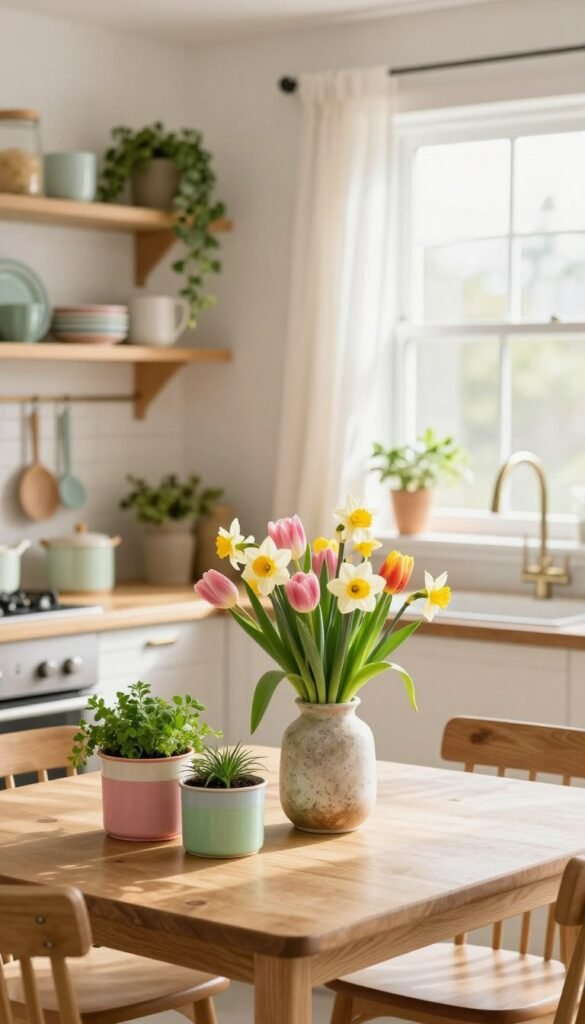
Aim for seasonal blooms like tulips, hyacinths, and daffodils or green branches that signal the season. Use single-stem displays or clustered bud vases to keep a small room airy.
Vase materials and buying considerations
Glass keeps looks light and bright. Ceramics add warmth and hide stems. Check opening diameter, height, weighted base, and pet-safe stability before buying.
- Keep arrangements narrow in footprint.
- Store faux stems in a labeled bin; real blooms need weekly refresh.
- Compare material, height, opening size, and storage ease when choosing a vase.
Centerpieces for coffee tables and dining tables that don’t feel crowded
Centerpieces should solve a real-life problem: limited surface area that must work as dining, desk, and display.
Preserved moss centerpieces give greenery with zero upkeep. They suit low-light rooms and busy schedules. Use a shallow bowl or tray so the piece stays low and stable on a coffee table or dining table.

Bowls, dough bowls, and trays as tabletop corrals
Corrals keep small items tidy and make clearing the table quick. Pick a wipeable tray or a single bowl that holds remotes, napkins, or a candle. A single vessel is easier to move when the table becomes a workspace.
Mixing textures without clutter
Combine moss balls, grapevine balls, and a few speckled eggs to add visual interest. Keep the arrangement low and centered so it does not block sight lines during meals.
Buying considerations and quick checklist
| Style | Footprint (in) | Height (in) | Pros / Cons |
|---|---|---|---|
| Preserved moss bowl | 8–12 | 2–4 | Low maintenance / May compress in storage |
| Dough bowl + mixed balls | 10–16 | 3–5 | Textured look / Can feel busy if overfilled |
| Wipeable tray + single bowl | 8–14 | 1–3 | Easy to clean & move / Simpler storage |
- Height rule: keep centerpieces low on dining tables to allow conversation and serving.
- Cleanup: avoid fillers that shed or trap crumbs; choose stable, non-staining materials.
- Who this fits: renters who need flexible surfaces and hosts who reset tables often.
Trays and coasters that organize spring decor without adding clutter
A simple tray can turn scattered items into a neat, moveable vignette. In small spaces, everyday items quickly compete with accents. A tray creates a tidy boundary on a table and keeps a surface ready to host.
Who this helps: renters who entertain, people who work on the coffee table, and anyone who needs décor that moves in seconds.
Materials to compare
- Wood: warm, lightweight, and stacks well; mind finish sensitivity to spills.
- Slate: modern and hides wear; heavier to lift and can chip if dropped.
- Resin: colorful, wipeable, and durable; can scratch with sharp objects.
- Woven baskets: add spring texture but trap spills and snag linens.
Practical checks: non-slip feet, raised edges to catch drips, and enough depth to store small items like matches or a candle snuffer. Coasters should stack and nest in the tray to avoid extra clutter.
| Dimension | Material | Wipeability | Stack/store |
|---|---|---|---|
| 12″ x 8″ typical table tray | Wood/Slate/Resin | High for resin, medium for wood, low for woven | Yes for wood/resin; woven nests |
| 3″ coaster stack | Slate/Resin/Wood | Easy for resin/slate | Stacks neatly |
Use a tray to group a candle, single-stem vase, and minimal greenery for a light spring look that keeps the home tidy and guest-ready.
Throw pillows and lightweight textiles for a quick seasonal swap
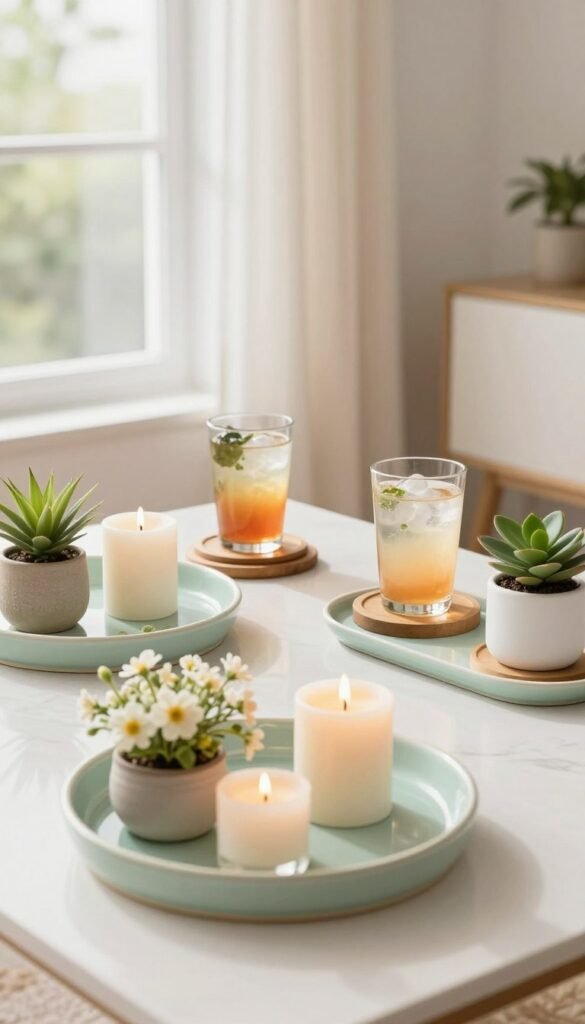
Textiles let renters refresh color and texture without altering walls or furniture.
Why swap textiles? Renters often can’t paint or replace big pieces. A few new pillows and a light throw change mood fast. They store flat and fit a single bin at season end.
Who benefits: Small-space residents, pet owners, and people who prefer low-effort updates. Removable covers let fabrics be washed after pet hair or spills.
Fabric and palette guidance
Choose cotton or linen blends. These feel light, breathe better than heavy winter knits, and wash well.
Pick a grounded palette: muted sage, dusty blue, and warm neutrals. Add one restrained accent color to keep the living area cohesive.
One statement pillow vs a coordinated set
A single statement pillow gives impact with low cost and little storage. A coordinated set looks polished but needs more space and matching inserts.
| Cover material | Size (in) | Closure type | Washability | Inserts included |
|---|---|---|---|---|
| Cotton-linen blend | 18×18 | Hidden zipper | Machine wash cold | Often sold separate |
| Velvet (textured) | 20×20 | Envelope | Spot clean or gentle cycle | Sometimes included |
| Synthetic pet-friendly | 16×24 | Zip with flap | Machine wash, quick dry | Usually included |
Buying checklist: removable covers, clear wash instructions, sturdy zippers, and snag-resistant weave for pets.

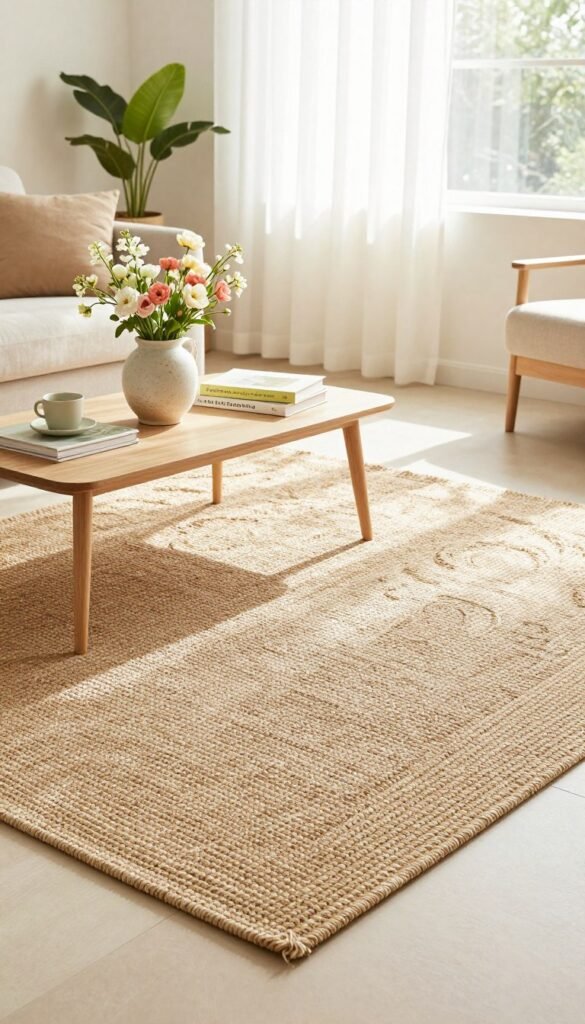
Natural fiber rugs that brighten an apartment after winter
A low-profile natural rug can brighten a space without overwhelming a small room. Natural fibers like jute and seagrass feel lighter than thick winter runners while adding texture and warmth.
The problem: winter rugs often feel heavy or dark. Renters need an upgrade that won’t harm floors or demand difficult cleaning.
Best uses and quick comparisons
Where they work: small rooms needing lift, open-plan zones that need definition, and high-traffic areas that need durable surface cover.
Jute looks soft and warm but may shed. Seagrass resists stains and holds up in dining spots. Flatweaves vacuum easily and layer well under furniture.
Renter-first checks and care
- Confirm a non-slip pad safe for the flooring finish.
- Check pile height for door clearance and vacuum compatibility.
- Ask about shedding and return policies to avoid surprises.
Cleaning: spot clean spills quickly, vacuum weekly, and avoid steam cleaning on some fibers. For dining areas, pick seagrass or a tightly woven flatweave that tolerates crumbs.
| Fiber | Thickness (mm) | Recommended pad | Cleaning method |
|---|---|---|---|
| Jute | 3–8 | Thin felt non-slip | Vacuum; spot clean; can shed |
| Seagrass | 2–6 | Rubber-backed non-slip safe for hard floors | Wipe; vacuum; resists stains |
| Flatweave (cotton/wool blend) | 1–5 | Low-profile gripper | Machine wash (small rugs) or vacuum; easy care |
Pros/cons: Natural fibers give an airy, textured look but can feel rough or shed; flatweaves stay low and tidy but need a pad to prevent sliding. Measure to anchor furniture without swallowing the room and confirm returns if texture matters.
Entryway and front door spring decor that won’t violate lease rules
The entry sets expectations; a small, lease-safe update makes a big difference without risking penalties.
Address the renter problem: many leases ban nails and exterior changes. A welcoming door still works with removable methods that protect paint and hardware.
Wreaths and door accents
Wreaths give high impact in one piece. Choose lightweight bases and under-2 lb options for safe hanging. Use over-the-door hangers or adhesive hooks with soft backing to avoid scratches.
Alternatives and lightweight welcome touches
Door baskets suit narrow halls. They sit flush and store flat. Small signs, a minimal floral bundle, or a suncatcher add a gentle touch without crowding a corridor.
- Pros/cons: wreaths read classic but can snag; baskets are flexible but may swing if loose.
- Buying checks: door finish (painted vs metal), clearance for locks/peepholes, and hallway traffic.
| Hanging method | Diameter/Height | Weight | Indoor/Outdoor |
|---|---|---|---|
| Over-the-door hanger | 18–24″ diameter | <2 lb | Indoor/covered |
| Removable hook (soft backing) | 12–20″ height | Up to 3 lb | Indoor |
| Door basket | 10–16″ depth | <2.5 lb | Indoor/covered |

Spring “organics” that add texture without looking themed
Textured branches and soft greenery offer a low-key way to nod to the season.
The problem: some renters want a seasonal update without pastel overload or themed clutter. Organic stems deliver natural texture and warm tones without feeling costume-y.
Branch, bramble, and greenery picks
Apartment-friendly organics include budding branches, brambly stems, simple sprigs of greenery, and small wreath bases used as accents.
Where to place them
Focus on vertical spots so surfaces stay usable. Shelves, mantels, and windowsills are ideal. A single tall branch in a narrow vase makes a clear statement without crowding a table.
Who this fits: minimalists, neutral-home decorators, and renters who want subtle seasonal updates with little storage.
Pairing idea: a short tray, one taper or jar candle, and a small sprig of greenery creates a tidy, controlled vignette.
| Type | Stem height | Maintenance | Storage |
|---|---|---|---|
| Real branches | 12–36 in | May drop debris; trim weekly | Recycle or compost; low bulk |
| Brambly stems | 10–24 in | Adds texture; can snag fabrics | Store flat or wrapped |
| Faux greenery | 8–30 in | Low maintenance; dust occasionally | Pack in a single bin |
Buying checks: match stem height to ceiling and vase weight. Confirm vases have a weighted base and that stems won’t scratch surfaces.
Pros/cons: real pieces read upscale but can shed; faux keeps clean but should look accurate. Use organics as a simple way to refresh a small space without themed fuss.

Eggs, nests, and subtle spring animals that stay stylish
A few well-chosen eggs and a tucked nest offer a subtle seasonal cue that reads grown-up, not gimmicky. Small groups of neutral pieces add texture without filling surfaces or requiring bulky storage.
Frame the problem: small homes quickly look cluttered, and overtly themed items can feel juvenile. Choose accents that read like collected objects rather than holiday props.
Who this suits
Best for seasonal decorators: people who want a clear spring signal without long-term storage or heavy commitment. A single nest or a trio of eggs signals the season and tucks into a bin at year end.
How to avoid „too cute“
Limit pieces to one vignette per room. Use a simple vessel—a small bowl, glass cloche, or neutral tray—to contain items. Pair eggs with moss, grapevine, or wood to anchor the look.
- Styling rule: two to three eggs per bowl or nest; keep animal figures minimal and small.
- Avoid excess: neutral colors, matte finishes, and natural textures read timeless.
- Renter tip: keep fragile items off entry tables and away from pets.
Buying considerations
Choose reusable faux eggs with a durable finish and pieces that stack or nest for compact storage. Prioritize materials that pack flat or fit together to save bin space.
| Material | Finish | Storage footprint |
|---|---|---|
| Wood | Matte / hand-painted | Low — stackable |
| Resin | Speckled / realistic | Medium — durable, nests |
| Blown glass | Soft gloss | High — fragile, needs padding |
Pros/cons: Small accents are affordable and easy to store, but too many mini items create visual noise and extra dusting work. Keep the overall touch restrained to keep a room calm and polished.

Kitchen spring decor that’s practical for renters
Kitchens need looks that work around real cooking, not against it. Counters are functional zones, so any seasonal update must respect prep space and food safety.
Quick visual upgrades: swap mismatched soap bottles for a ceramic or recycled-glass soap dispenser and add matching countertop containers for utensils or frequently used tools. These items tidy the sink area and free up drawer clutter without taking extra surface room.
Vertical herb gardens and windowsill planters
Who this helps: small-kitchen cooks and renters who want fresh herbs without losing counter space.
- Use a narrow vertical planter or rail to keep herbs off the counter.
- Look for drainage trays and removable pots to avoid drips on prep zones.
- Place planters near a sunny window or under a grow light if natural light is limited.
Eco-friendly hosting touches
Reusable “unpaper” towels and cloth napkins give a tidy, intentional look at the table and in the dining area. They store flat, launder easily, and reduce single-use waste.
„Upgrade utilitarian items to make the kitchen look calmer and more cohesive.“
| Item | Material | Footprint | Cleaning |
|---|---|---|---|
| Soap dispenser | Ceramic / recycled glass | 2–4 in diameter | Hand wash or top-rack safe |
| Vertical herb kit | Plastic/ceramic modules | 6–10 in width | Removable trays; wipe or rinse |
| Unpaper towels | Cotton / hemp | Fold-flat | Machine wash |
Pros/cons: countertop containers make a kitchen look organized but can collect grease and need regular wiping. Vertical planters save space but require light and occasional spill control. Reusables save waste and look polished but need laundry cycles.
Buying checklist: wipeability, dishwasher-safe parts, drainage trays for herbs, footprint width, and keeping items clear of cutting and prep zones.
Light-boosting decor for apartments with limited natural sunlight
Brightening a dim space can be simple: use glass and mirrors to redirect the light you already have. This solves a common problem — many units lack direct sun, so seasonal touches feel muted and a room looks smaller.
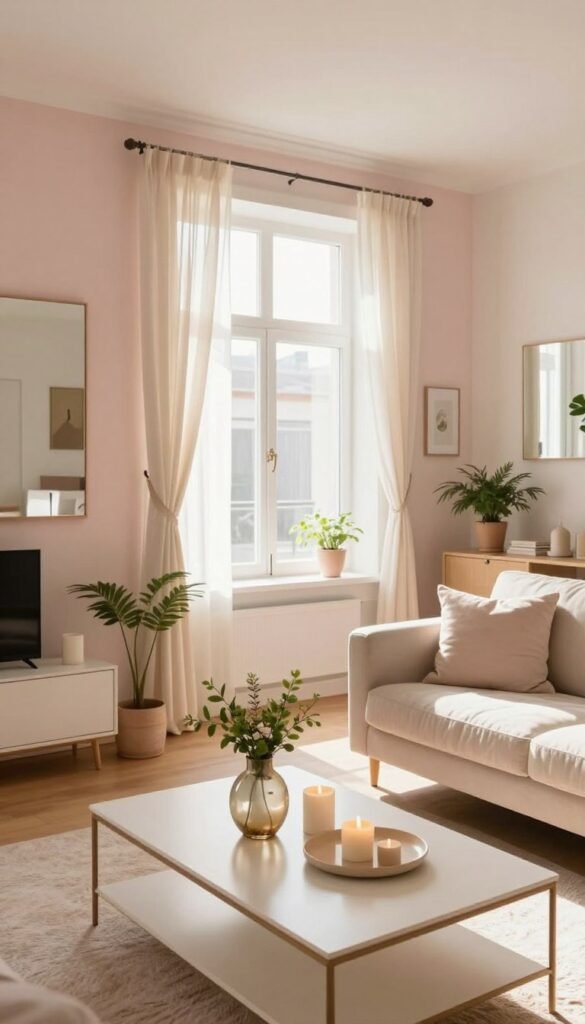
Mirrors that make a room look bigger and brighter
Who this helps: small living rooms and narrow hallways that need visual expansion. A well-placed mirror bounces light across a space and gives the impression of depth without adding clutter.
Placement tip: hang a mirror opposite a window or near a lamp to maximize reflected light. Choose a size that fits the wall and a mounting method that won’t damage paint.
Suncatchers for prismatic light without using surface space
Suncatchers clip or hang in a window and cast tiny rainbows when the sun hits them. They are ideal when floor and table surfaces are already in use.
Pros/cons: mirrors broaden a room but can be heavy; suncatchers are lightweight yet need direct sun to perform well.
„Use reflections and prisms to make neutral palettes and greenery feel fresher without buying more pieces.“
| Item | Key field | Buying check |
|---|---|---|
| Mirror | Dimensions / Weight / Mount | Frame durability; anchor type |
| Suncatcher | Glass material / Hanging length / Attachment | Adhesion that won’t leave residue |
| Glass prism | Size / Cut / Clarity | Light angle and placement |
Where to shop in the US for unique spring decor on a renter budget
Look beyond big-box stores to find unique items that suit tight spaces and renter rules. Local makers, farmers markets, and vintage shops offer character and higher quality than many mass-produced finds. ApartmentGuide notes wins like a vase from a local potter, a bouquet from a flower farmer, or a hand-poured candle at a maker market.
Who benefits: renters who want fewer, better items that move easily between homes and last year after year.
What to prioritize when buying handmade
- Scale: choose pieces that fit shelves and narrow tables.
- Versatility: neutral finishes that work across seasons.
- Quality: durable materials and easy care.
- Storage footprint: items that nest, stack, or pack flat.
Building a reusable set
Buy one anchor piece—like a weighted vase, a tray, or a candle—and add small accents each year. Keep a neutral base and rotate a few spring pops (greenery, a light textile, a small nest) into a single bin. This way the home grows curated, not cluttered.

| Source | Price range | Durability | Storage footprint |
|---|---|---|---|
| Local maker market | $15–$120 | High | Medium |
| Farmers market (blooms) | $10–$40 | Low (fresh) | Low |
| Vintage shop / thrift | $5–$80 | Variable | Varies |
Conclusion
Finish the refresh by choosing a few reliable pieces that lift a living area without adding clutter.
Keep the renter-friendly rule simple: damage-free mounts, right-sized items, and easy storage. Pick pieces that pack flat or nest into one bin.
High-impact ideas include a light-scented candle for atmosphere, a single vase with a bloom, a compact centerpiece on a tray, and a quick textile swap to brighten a couch or chair.
Buy less and use better: favor versatile pieces that move between rooms and seasons. Measure before buying, check washability and lease-safe hanging methods, and plan where each item will live off-season.
Shopper’s checkpoint: measure the footprint, confirm storage, and choose neutral-friendly pieces so the apartment stays calm, airy, and functional.



2 Comments