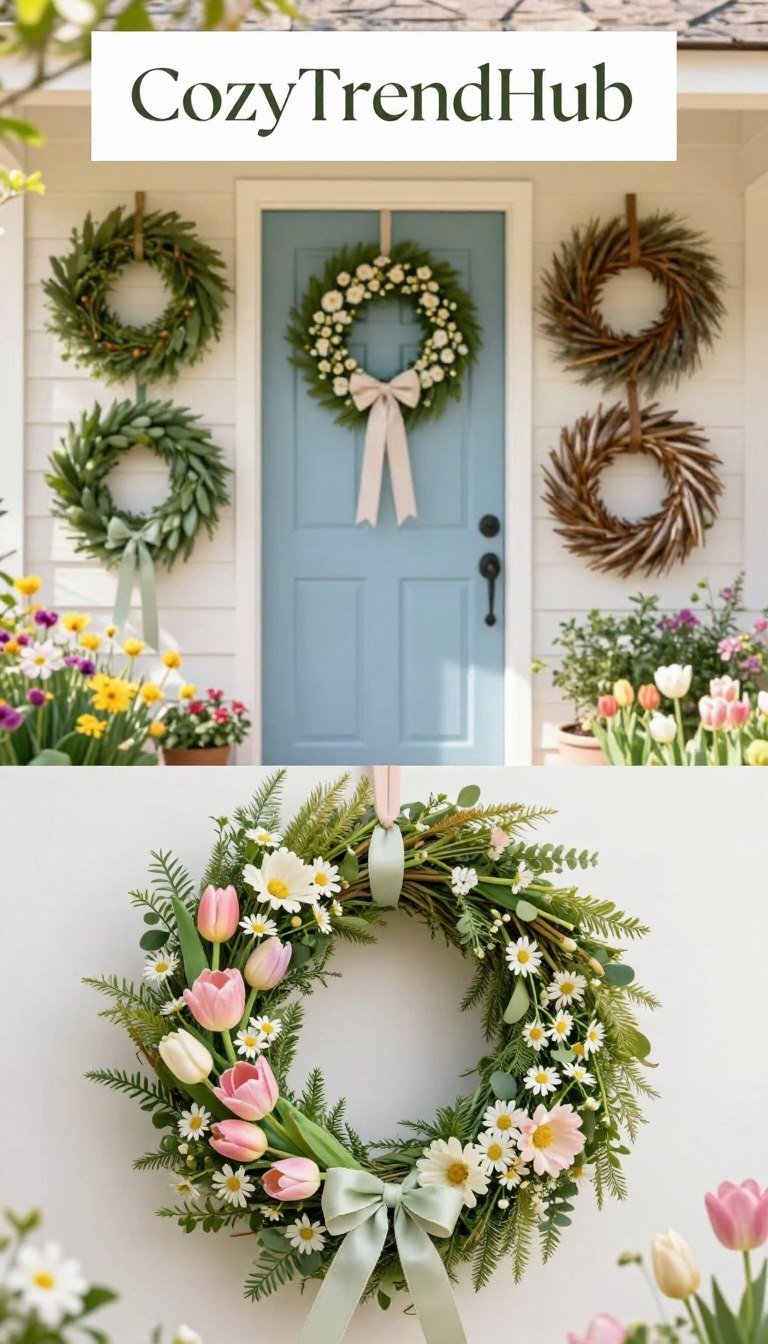
Choosing a wreath that looks great and lasts through sun, rain, wind, and daily use is the top challenge shoppers face. This guide frames clear, practical choices so readers can pick the right piece fast. It separates indoor and outdoor options, notes upkeep, and flags renter-friendly picks.
Made-to-order items often need extra lead time. Buyers should plan around customizable sizes and color-ways. Outdoor performance varies with climate, sunlight, and porch shelter. McGee & Co also offers a quarterly subscription for seasonal swaps.
The article is organized to speed decisions: bold color picks, green year-round options, dried and preserved low-fuss choices, small-space and renter solutions, modern minimal styles, and premium statements. Each segment lists who it’s best for, the problem it solves, and quick pros and cons.
Follow a simple decision path: location → material → size → upkeep → budget. This makes comparison blocks and product picks easier and reduces returns and disappointment.
Key Takeaways
- Pick by placement first: sheltered porch vs exposed entry.
- Choose materials that match climate and maintenance comfort.
- Account for customization lead times when ordering made-to-order pieces.
- Look for renter-friendly and small-space options to avoid damage.
- Each recommendation notes who it suits and quick pros/cons.
What to look for in a spring wreath for your front door
Choose a spring wreath that fits how and where it will hang. Decide whether the piece will face sun, wind, or a sheltered porch before picking material, size, or finish.
Outdoor exposure issues: sun, rain, wind, and sheltered porches
Direct sun causes fade. Wind can bend stems and distort shape. Rain can loosen glue and damage delicate pieces.
A covered porch extends life. Sheltered entries let you use preserved or delicate styles with less worry.
Material types that match your use case
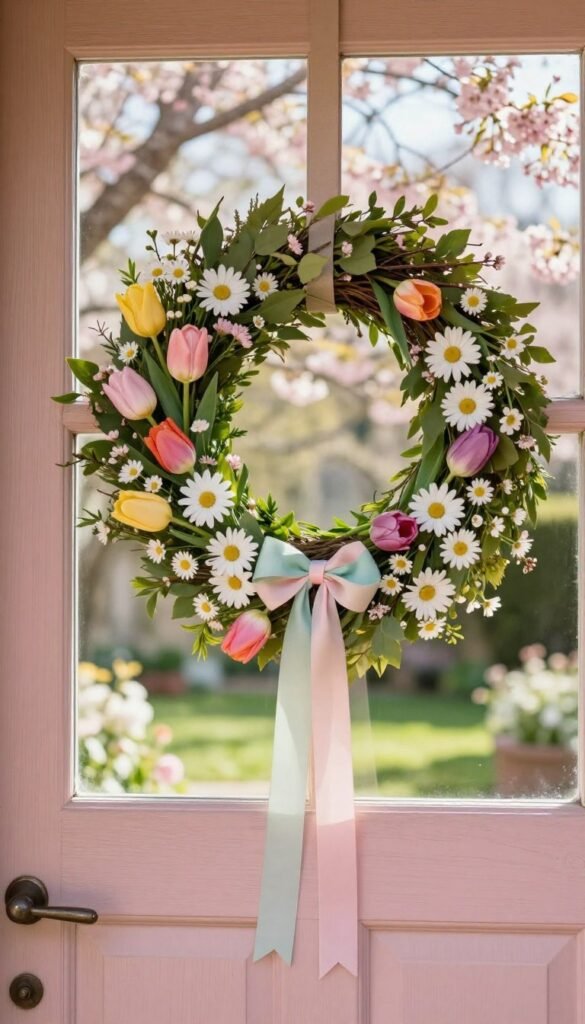
- Faux — consistent color and easy cleaning. Durable outdoors and low upkeep. Best for uncovered entries and high-sun spots.
- Preserved — real texture with limited outdoor tolerance. Good on a covered porch or indoor mantel.
- Dried — delicate and indoor-friendly. Avoid heavy rain and full sun.
- Live — fragrant and seasonal. Needs more care and usually lasts only the season.
Size, scale, and small-space realities
Match diameter to the door size. Narrow entries benefit from smaller rings and lighter weight to protect hardware.
Renters should favor lightweight options and removable hangers to avoid damage.
Lead times, customization, and finishing touches
Made-to-order pieces can offer multiple sizes, ribbon, and color-ways but may take extra time. Some arrive with a removable ribbon for a cleaner look.
Mini checklist before checkout: location, material, diameter, depth, hanger compatibility, ribbon preference, and storage plan.
Quick comparison guide to choose the right wreath
A quick side-by-side snapshot helps match style, durability, and upkeep to how a wreath will be used.
Use this guide as a decision-ready framework: scan exposure, material, upkeep, and price to narrow options before checking product details.
Best for outdoor curb appeal
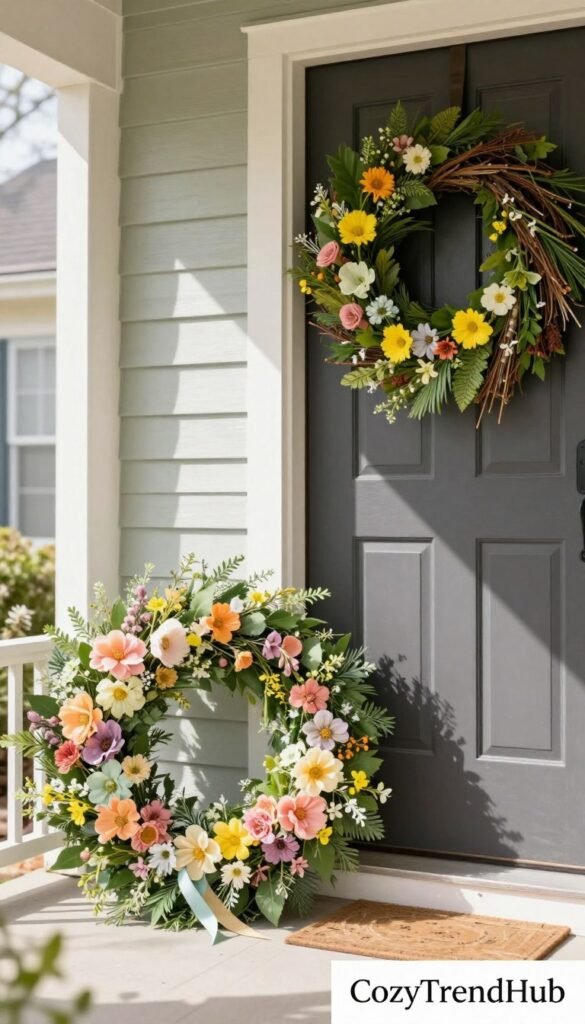
What works: dense faux builds, sturdy bases, and deeper greenery hide wear and last through wind and sun.
Pros: high durability, low fade, easy cleaning. Cons: heavier and sometimes pricier up front. McGee & Co large sizes (30″) offer strong impact at scale.
Best for indoor styling
What works: dried or preserved rings and lighter silhouettes suit mantel or sideboard displays.
Pros: elegant, airy looks and delicate textures. Cons: avoid direct sun or humid spots that shorten life.
Low-maintenance options for busy households
Top picks: faux greenery that dusts off easily, preserved boxwood, and caspia or lavender that stays crisp.
Pros: minimal care and long wear. Cons: preserved pieces may cost more but save time.
Budget vs splurge: what the price buys
Budget pieces (Target seeded eucalyptus examples) give instant curb appeal with modest realism.
Splurges add realistic detail, varied color, and stronger construction that lasts multiple seasons and may be used year after year.
| Use | Durability | Upkeep | Price tier |
|---|---|---|---|
| Outdoor curb appeal | High (faux) | Low | Mid–High |
| Indoor mantel | Medium (preserved/dried) | Low–Medium | Mid |
| Busy households | High (preserved faux) | Very low | Mid |
Choose this if:
- Exposure is full sun or wind → pick dense faux with a sturdy base.
- Placement is indoor or covered porch → choose preserved or dried for subtle elegance.
- Need low fuss → select preserved boxwood, caspia, or high-quality faux.
- Want impact on a budget → look for seeded eucalyptus options; for longevity, invest more.
Best spring wreaths for front door that add bold color fast
A bold pop of color can revive an entry in minutes, even when porch plants are still waking up. These vivid options solve a common problem: the porch looks unfinished until planters fill in. A bright ring makes the whole entry feel planned and welcoming.
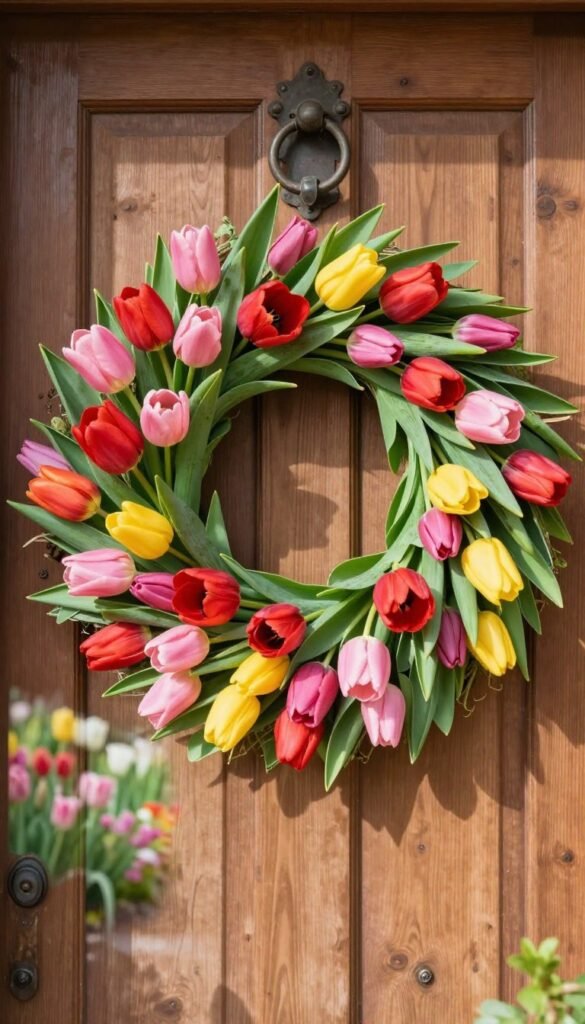
Tulip varieties with customizable color-ways
Who it’s for: shoppers who want saturated tulip tones and a neat silhouette. What it fixes: instant, focused color and curb visibility.
Check: how many color-ways and size options are offered (some made-to-order tulip pieces offer 16 color-ways and 7 sizes). Confirm ribbon removability and depth to avoid interference with door hardware.
Hydrangea-forward rings for full bloom impact
Who it’s for: those wanting street-visible volume. Hydrangea and quince mixes read as dense blooms from the sidewalk.
Tradeoff: can overwhelm narrow entries. Pro: fills space and hides wear. Con: heavier and may need sturdier hangers.
Magnolia paired with citrus for classic brightness
This magnolia plus lemon or orange mix gives a seasonal yet timeless pop. It works best on a covered porch or indoor wall.
Note: fruit accents need careful storage; remove faux fruit before packing to preserve shape.
Cherry blossom and wildflower styles for a softer vibe
Light blooms and small flowers suit pale or painted doors and apartments. Slim profiles are easier on renters and narrow hardware.
Forsythia yellow for high contrast on dark doors
Why choose it: bright yellow branches jump against shaded or dark paint. Durability: quality faux forsythia resists wind on a covered porch better than delicate dried stems.
- Pros: instant contrast and visibility.
- Cons: faux branches can tangle in heavy wind; use a sheltered spot if possible.
Green spring wreaths that work beyond one season
A green ring that reads fresh in spring but works year-round solves storage and swapping headaches. Shoppers who want fewer rotations favor pieces that read seasonal yet stay subtle enough to leave up all year.
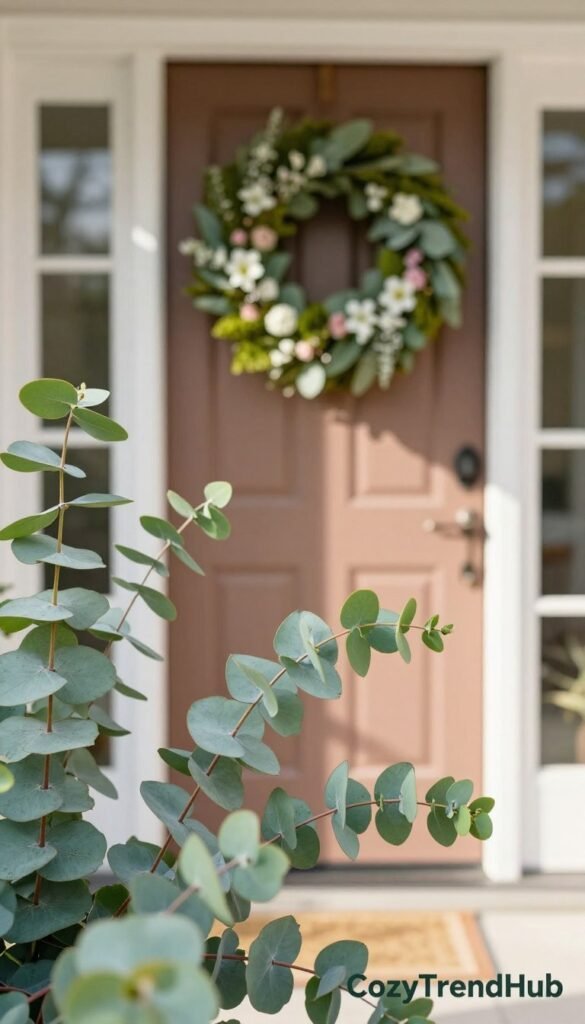
Magnolia leaf wreaths: classic structure
Magnolia leaf options offer a dense, structured shape that holds up across the year. They suit traditional exteriors and darker doors.
Good for: classic homes. Tip: wipe leaves with a soft cloth to remove dust.
Mixed eucalyptus vs seeded eucalyptus
Mixed eucalyptus gives layered texture and depth up close. Seeded eucalyptus (24″ faux options at Target) reads cleaner from the curb and feels neater on narrow entries.
Pick mixed if you want organic texture. Pick seeded for a tidy curb appearance and low storage hassle.
Faux Herbiflora mixes
Herbiflora blends (myrtle, artemisia, moss, lavender statice, golden fern) create a refined green palette without bright flowers. They deliver layered tones that look elevated yet stay low-fuss.
Wild grass and eucalyptus blends
Airy grass with eucalyptus creates a loose silhouette that fits modern farmhouse and casual entries. These read natural but need sheltered placement if wind is strong.
Ivy, fern, and boxwood staples
Ivy, fern, and boxwood offer timeless balance. They suit anyone wanting quiet elegance and minimal season swaps.
Quick upkeep: dust or gently shake outdoor pieces each month. Store flat in a slim box to save space.
| Style | Best for | Durability | Storage |
|---|---|---|---|
| Magnolia leaf | Traditional exterior | High | Compact box |
| Mixed eucalyptus | Natural texture, close view | Medium | Flat, cushioned |
| Seeded eucalyptus | Curb-friendly, narrow entries | High | Minimal |
| Herbiflora (faux mix) | Elevated greenery look | High (faux) | Slim box |
| Wild grass & eucalyptus | Modern farmhouse | Medium (wind-sensitive) | Low, airy storage |
Dried and preserved spring wreaths for low-fuss seasonal decor
Preserved botanicals offer a natural look that works with a busy schedule. These options suit anyone who wants a tasteful touch without daily care. They perform best indoors or on covered entries.
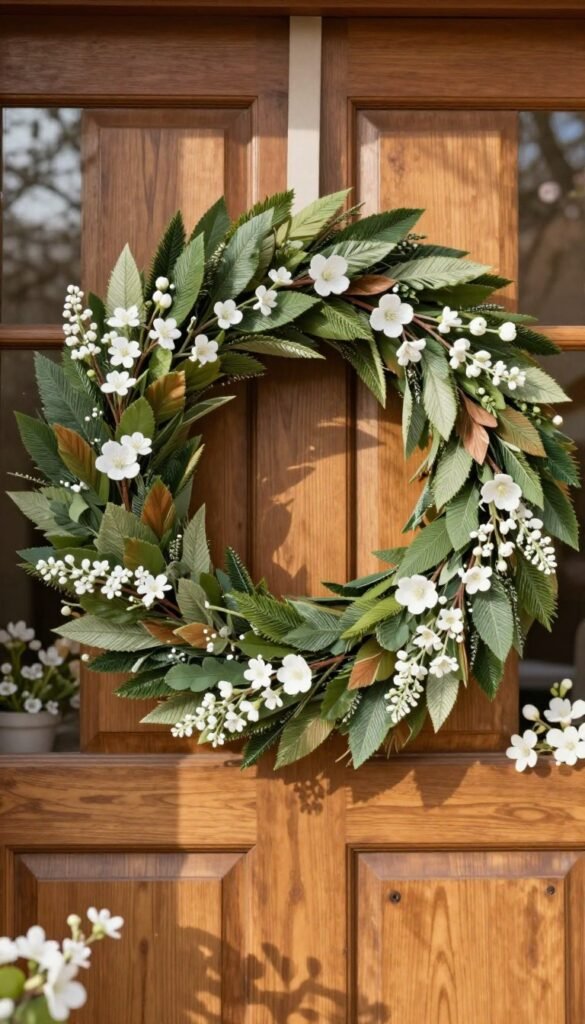
Preserved boxwood is structured and lightweight. It holds shape year-round and fits small spaces well. Best for: renters and compact homes. Avoid heavy rain and long sun exposure.
Preserved caspia and lavender give a neutral, airy look. They pair with many paint colors and stay subtle on narrow hardware. Target and similar retailers often carry affordable preserved lavender options.
Dried flower rings add gentle color that transitions through months into early summer. Small dried flower styles give seasonal warmth without looking out of place once blooms fade.
- Pros: lightweight, easy to hang, low upkeep.
- Cons: sensitive to humidity, crushing, and direct sun.
| Style | Best use | Care | Storage |
|---|---|---|---|
| Preserved boxwood | Year-round, small spaces | Dust monthly, avoid rain | Flat box, no compression |
| Preserved caspia & lavender | Neutral indoor/covered porch | Keep dry, gentle shake | Box with tissue |
| Dried flower rings | Seasonal color, indoor | Avoid humidity, spot clean | Cushioned box, upright |
Small-space and renter-friendly spring wreath options
Small entries need seasonal cheer that won’t damage paint or overwhelm hardware. Renters and apartment dwellers face two main limits: weight and hanging method. Choose pieces that are scaled and light to avoid stress on hinges and temporary hooks.
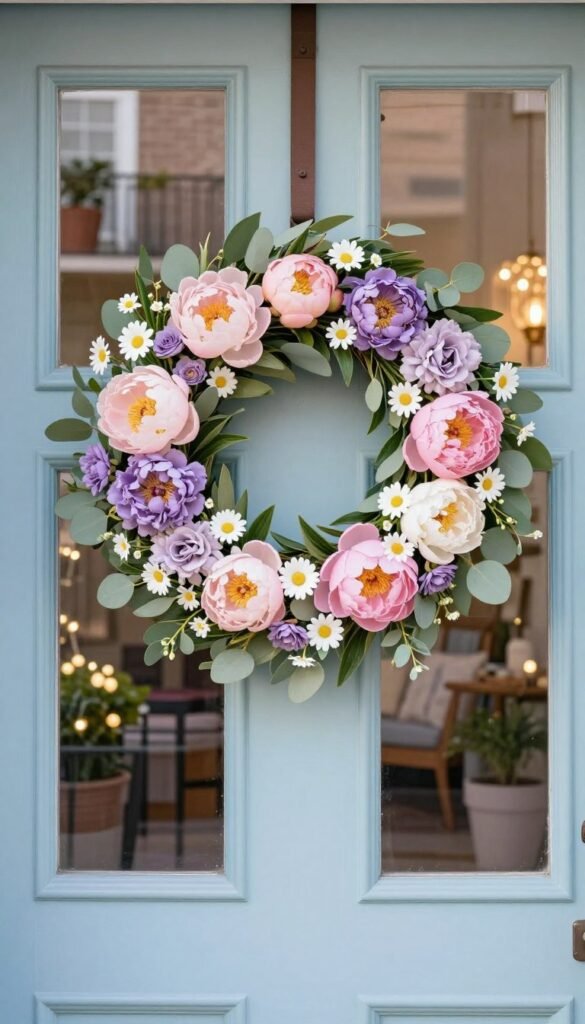
Mini rings that fit narrow entries
Opt for 12″ or smaller diameters to keep proportion on skinny doors. A compact wreath reads balanced and leaves mail slots and peepholes clear. These sizes store flat and travel easily between homes.
Lightweight builds to protect hardware
Look for preserved boxwood and small faux clusters. They weigh less than mixed-flower pieces and work with over-the-door hooks or removable adhesive hangers. This reduces paint damage and avoids drilling.
Neutral palettes that move with you
Choose cream, soft green, or all-white dried styles. Neutral tones pair with landlord-painted surfaces and fit many interiors. They also keep storage simple—one wreath can serve multiple addresses.
- Best for narrow doors: 12″ preserved boxwood.
- Best for shared hallways: lightweight faux with adhesive hanger.
- Best for minimal storage needs: compact dried-white rings.
Pros: easy to hang, low weight, renter-safe. Cons: smaller designs can read subtle from the street; pick textured materials for contrast.
Modern and minimalist spring wreaths for a clean front door look
For clean-lined homes, a restrained ring prevents visual clutter and highlights the door’s shape. Minimal styles solve the common problem: many floral designs read too busy on modern facades.
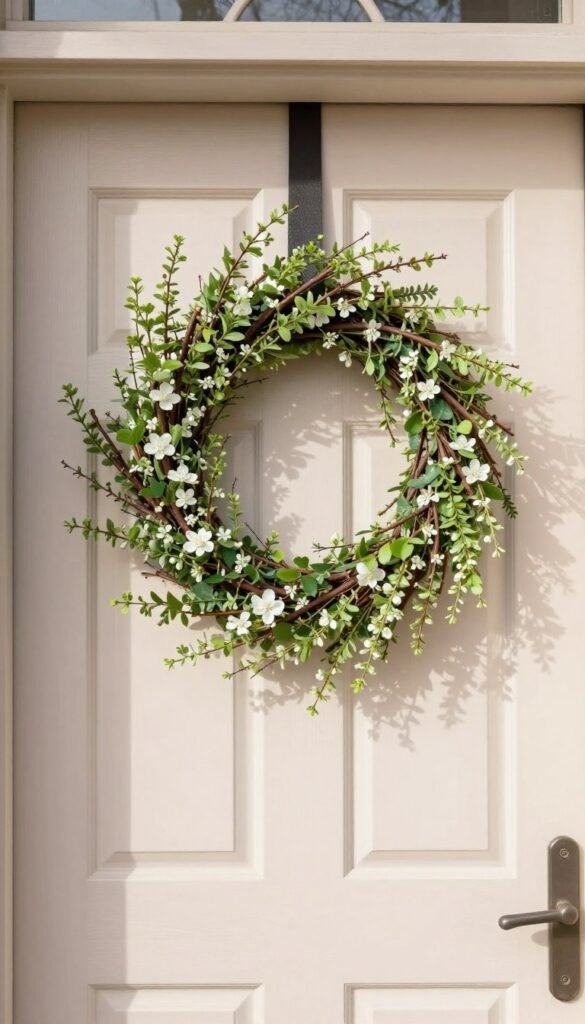
Cream and white foliage alternatives
Cream and white faux ruscus offers a soft, tonal update without introducing bold color. CB2 carries cream/white faux ruscus pieces that read like texture rather than bloom.
Where it works: modern doors, condo entries, and indoor walls. Light tones keep the look calm and easy to pair with painted surfaces.
Metal and twig frames as airy anchors
Iron heart frames (Terrain) and twig or nestlike rings act like small sculptures. They keep the silhouette open and intentional.
Who should pick them: minimalists and small-space residents who want visual lightness without heavy florals.
- Pros: lightweight, easy to store, simple to hang.
- Cons: can look sparse on oversized doors; fragile twigs may break in strong wind.
Shopping checks: verify diameter against door height and test visibility from the curb. Choose a slightly larger size for tall doors, and consider a single stem cluster if a subtle touch of life is wanted.
Premium and statement spring wreaths worth the splurge
A carefully made statement piece reads like art at the threshold and anchors the home’s curb appeal.
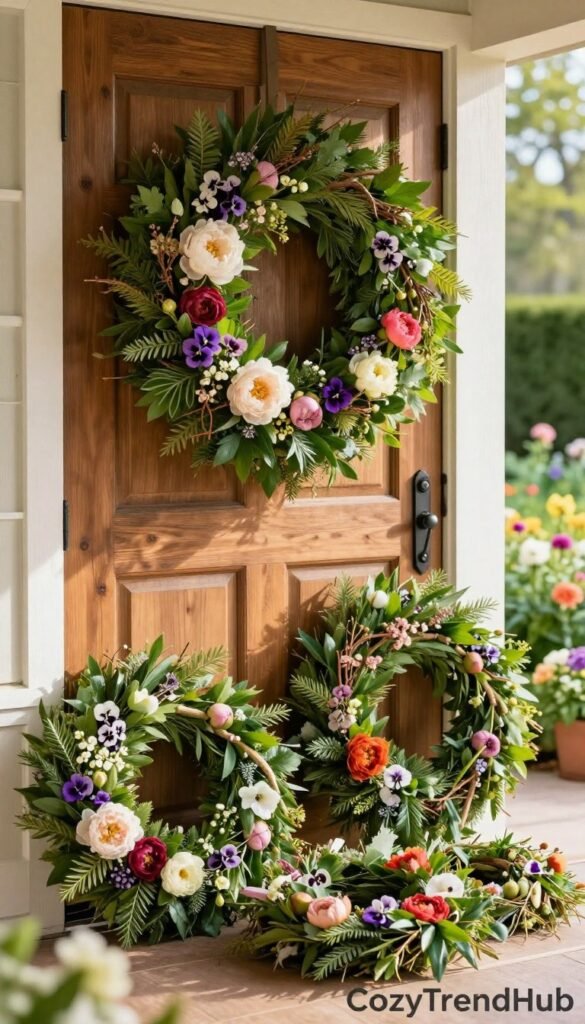
High-end faux florals that look more realistic up close
Why upgrade: premium faux improves petal variation, richer color depth, and sturdier stems. Brands like CB2 charge more because the pieces hold shape and look natural in person.
Who benefits: frequent entertainers and anyone with a design-forward entry who inspects detail up close.
Large-scale rings that fill oversized doors without looking sparse
Tall doors need larger diameters so the piece reads proportional from the curb. Consider 26″–30″ options (McGee & Co has ~30″ greenery pieces) when your door is tall or your porch is wide.
Value note: a large greenery ring often gives the most impact per dollar when scaled correctly.
Live wreaths that dry beautifully over time
Fresh live pieces from retailers like Crate & Barrel start bright and then dry into a new look that lasts into early summer. They offer natural change and subtle charm.
Tradeoffs: lead times, careful storage, and sensitivity to heat or direct sun. Live options suit covered porches or shoppers who enjoy seasonal evolution.
| Feature | Premium faux | Large-scale greenery | Live dried-over-time |
|---|---|---|---|
| Realism up close | High | Medium | High (initially) |
| Longevity | Very high | Very high | Medium (depends on exposure) |
| Storage needs | Careful, cushioned box | Large flat box | Short-term, cool dry area |
| Best for | Design-forward entries | Tall or wide doors, curb impact | Covered porches, natural look lovers |
Buying considerations before you add to cart
Before you click purchase, there are a few practical checks that prevent size mistakes and damage. These quick steps help shoppers match scale, hanging method, and longevity to their entry.
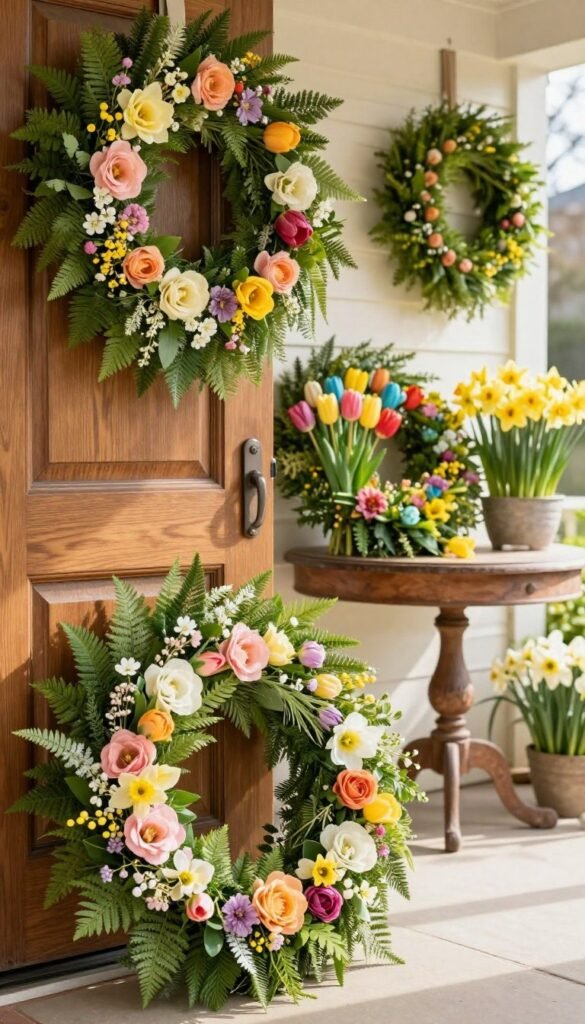
Choosing the right diameter and the mat-to-wreath balance
Measure the door width and pick a wreath diameter about one-third to half that width. That keeps the piece proportional and avoids competing with the doormat.
If a mat is deep, choose a slightly smaller ring so the wreath doesn’t visually collide with welcome text or hardware.
Ribbon or no ribbon: matching style and durability
Ribbon adds formality but fades in sun. Removable ribbons give flexibility and make storage easier.
Where to hang: common surface tips
Storm doors and glass inserts need slim profiles or suction solutions. Painted wood benefits from padded, non-damaging hooks. Covered porches extend lifespan dramatically.
Storage, reusability, and lifespan
Quality faux and preserved boxwood inside will last multiple seasons. Delicate dried pieces are often one-season buys in harsh outdoor exposure.
Care checklist
- Dust faux monthly; avoid direct hose spray.
- Keep dried items dry and cushioned in storage boxes.
- Order made-to-order pieces early to allow lead time.
| Material | Expected lifespan | Recommended accessory |
|---|---|---|
| High-quality faux | Multi-season | Weatherproof hanger |
| Preserved boxwood | Multiple seasons (indoor/sheltered) | Slim storage box |
| Dried florals | One season (outdoor-sensitive) | Cushioned container |
Conclusion
Finish with a simple decision path: exposure → material → size → maintenance.
Pick outdoor-safe faux when the entry faces sun or rain. Choose preserved or dried pieces on a covered porch or inside. Green rings like magnolia or eucalyptus reduce seasonal swapping and save storage space.
If the entry is uncovered, select durable faux. If storage is limited, pick compact magnolia or eucalyptus greens. If the door is small, choose a mini or lightweight wreath to protect hardware.
Before you check out, re-check diameter, hanging method, and lead times to avoid returns. Aim for a choice that supports the home’s style and daily routine, not just a photo moment.