
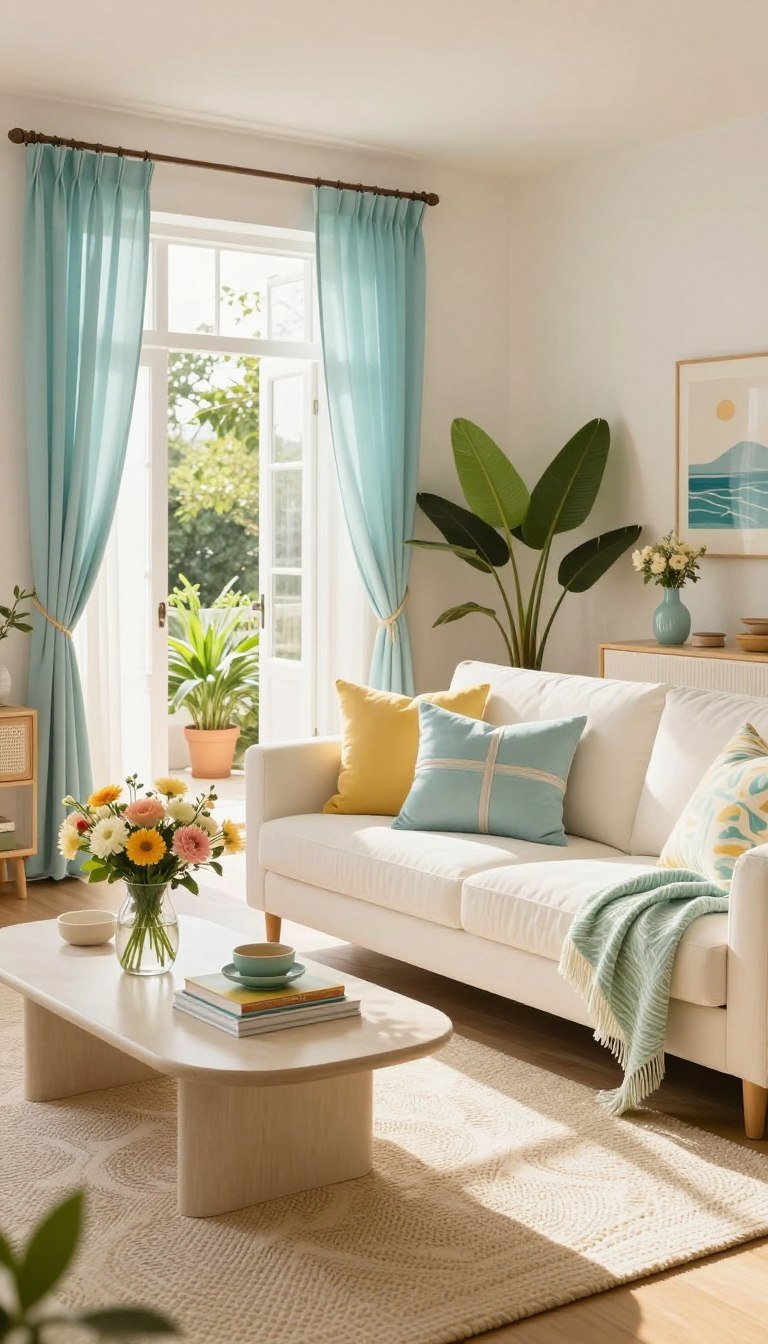
Many homes feel heavy when warm weather arrives. Dark textiles, crowded surfaces, and blocked windows can make a living room or open space feel stuffy. This section sets a clear, practical path to refresh without a full remodel.
Start with a quick seasonal reset. Swap pillow covers and lighter throws. Clear surfaces to create a blank slate. Let natural light lead the layout by using sheer linen curtains or leaving windows uncovered.
Next, add a few high-impact categories rather than many small items. The shopping list in this guide highlights pillow covers, rugs, woven accents, greenery, coastal touches, scents, and simple storage pieces. Each category includes who it suits — renters, small homes, families, or open plans — plus buying notes, pros, and cons.
Recommendations favor renter-friendly updates and easy upkeep. Think removable textiles, plug-in lighting, and no-paint changes. The article also supports quick comparisons by material, size, care, and cost-to-impact to help confident, practical choices.
Key Takeaways
- Begin with a fast seasonal reset: textiles and decluttering.
- Focus on a few high-impact categories, not many small accessories.
- Pick renter-friendly and low-maintenance updates.
- Each item includes who it suits and practical buying notes.
- Use comparison points (material, care, cost) to decide quickly.
What Makes Summer Decor Work in a Living Room and Open-Concept Space
Shifting weight from heavy fabrics to breathable materials changes how a room reads at once. This is more than an aesthetic move — it improves airflow, boosts natural light, and reduces visual clutter. The goal is a breezier interior that needs little long-term commitment.
Functional rules to apply now:
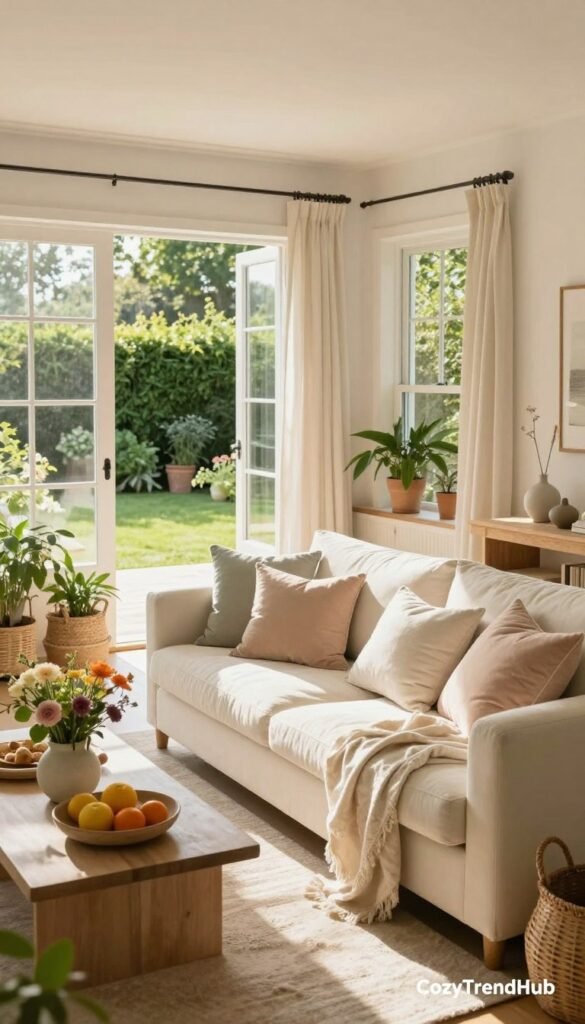
- Lighten textiles: swap dark pillow covers and heavy throws for lighter fabrics and fewer cushions.
- Edit surfaces: clear coffee tables and consoles; keep one tray and one fresh element, like greenery.
- Open sightlines: use sheer linen or leave windows mostly uncovered to let in light.
The furniture question: keep what you have
Existing sofas and wood pieces can stay. Use slipcovers, lightweight throws, and smaller accents to seasonalize furniture without replacing it.
Simple color strategy
Start with a blue-and-white base and add small green accents or one trending color like buttery yellow. This keeps choices cohesive and easy to shop.
Renter and small-space checklist
- Pillow covers, sheers, trays
- Plug-in lighting and one large basket for storage
- Stop doing: too many tiny accessories, heavy fabrics, and blocking windows with bulky drapes
| Change | Impact | Commitment | Renters |
|---|---|---|---|
| Swap pillow covers | Reduces visual weight, fresher colors | Low | Ideal |
| Sheer curtains or open windows | More light and airflow | Low–Medium | Easy |
| Edit surfaces + one fresh element | Cleaner, purposeful look | Low | Perfect |
Fast Seasonal Reset That Costs Little: Edit, Declutter, and Create Breathing Room
A small clear-out can change how a whole area feels with almost no cost. Start by editing surfaces and storing excess textiles. This quick reset reduces visual weight and improves flow in open layouts.
“Blank slate” method for coffee tables and consoles
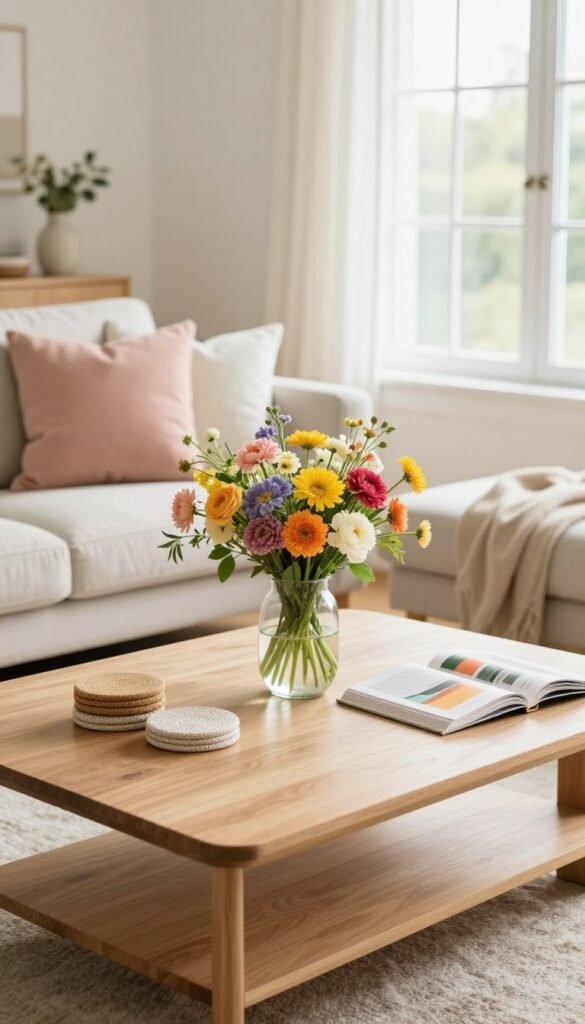
Remove everything from the coffee table and the console. Clean or polish the surface. Then rebuild with a short list: a tray, one stack of books, a small candle or box, and one fresh element.
Why it works: Fewer items make the table read as intentional instead of cluttered.
Where to store heavy throws and extra pillows
Store bulky throws and spare pillows in one lidded bin under a bed, on a closet shelf, or inside a large woven basket that lives in the space. A single basket doubles as storage and a decor piece.
Small-space rule: fewer, larger accents
Choose one substantial tray, one taller plant, or one sculptural object instead of many small pieces. This keeps surfaces calm and the eye focused.
- If the space gets messy often, prioritize a tray + a closed box for remotes over extra decorative items.
- Styled surfaces look pleasing but can be less practical; functional setups are easier to maintain.
- In open plans, fewer interruptions help zones feel cohesive and let furniture and finishes stand out.
Best Summer Decor for Living Room: Top Product Categories Worth Buying
Focus on a short list of product categories that deliver the most visible change with minimal effort. This shopping map helps buyers solve common issues without replacing major pieces.
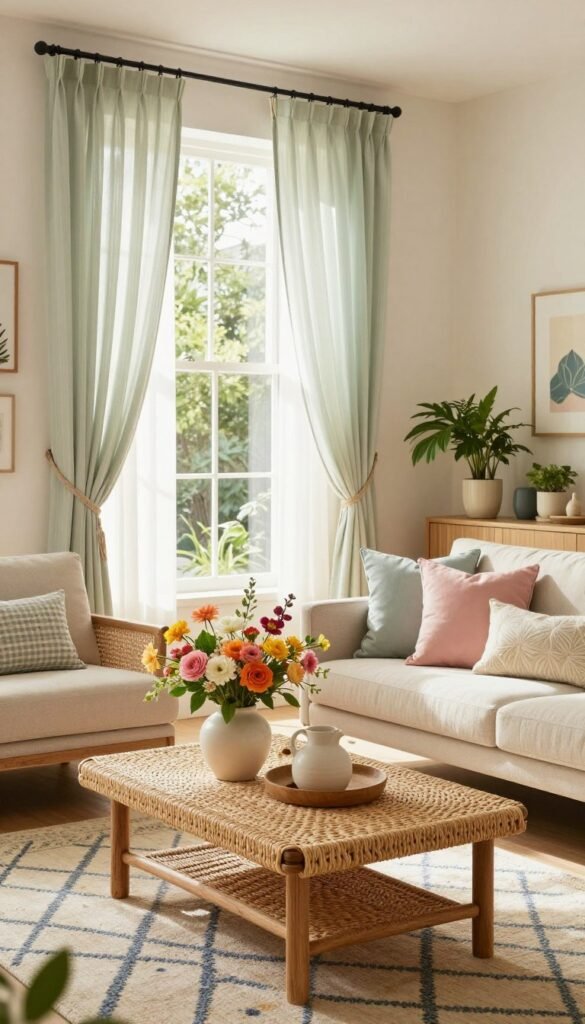
- Pillow covers — Fix dark, heavy seating. Buy 2–4 covers to swap cushions quickly.
- Sheer linen curtains — Open dim windows and boost daylight. Plan on 1–2 panels per window.
- Woven textures — Baskets, trays, and boxes cure flat or blank surfaces. Add 1–2 woven pieces.
- Greenery and flowers — Freshen stale corners with one statement plant or a small bouquet.
- Coastal accents — Group shells or coral to add vibe fast; avoid scattering small items.
- Summer-ready scents — Candles or diffusers in citrus, herbal, or floral notes make the air feel intentional.
Value note: Textiles and lighting give the biggest impact first. Decorative objects are optional and should be limited to avoid clutter.
| Category | Problem solved | How many to buy | Quick tip |
|---|---|---|---|
| Pillow covers | Dark/heavy seating | 2–4 | Pick washable fabrics; match inserts |
| Sheer linen curtains | Dim windows | 1–2 panels/window | Hang high to widen sightlines |
| Woven baskets & trays | Flat or cluttered surfaces | 1–2 pieces | Use one basket as storage and accent |
| Greenery & scents | Stale corners & air | 1 statement plant + 1 scent | Place plant near light; pick lemon or herbal candles |
Next up: each category will get buying notes, who it suits, and pros/cons to support confident purchases.
Lighten Up the Room With Summer Pillow Covers and Breathable Throws
A simple change of textiles can shift a whole space without new furniture or paint. Renters gain the most from swaps that are low-cost and reversible. Start with covers and one airy throw to see immediate impact.
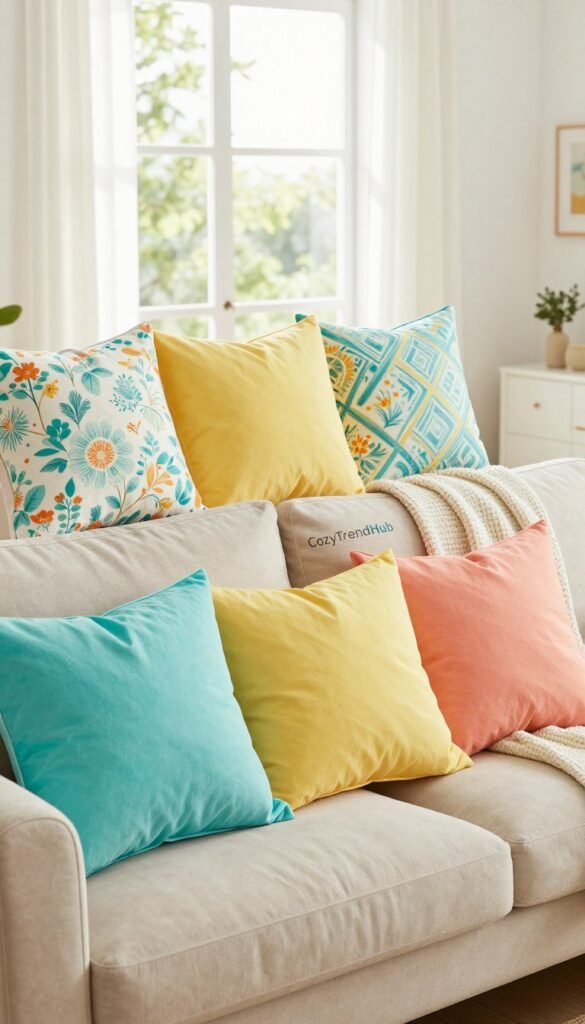
Best for: renters who can’t paint or change large furniture
Who benefits: people in rentals, small apartments, or households that need low-commitment updates. Textiles let a living room feel fresher overnight.
Buying considerations: fabric feel, easy washing, and insert sizing
Choose linen or cotton blends for breathability and quick washing. Check closure type and care labels. Match cover size to existing inserts for a plump, tailored look.
Color strategy and styling tips
Keep a blue-and-white foundation and add one small green accent via a cover or a plant. Limit bright accents to a single piece to maintain calm colors and cohesive style.
Pros and cons: covers vs. new pillows
- Cover swaps: lower cost, easy storage, less waste—useful when inserts are still supportive.
- New pillows: worth it if inserts are flat or a new shape is needed for better layering.
- Throws: replace heavy blankets with cotton, linen, or Turkish towel-style throws; keep one neutral that works year-round.
Sheer Linen Curtains and Window Tweaks for More Natural Light
A small window tweak—higher rods and gauzy panels—makes a connected space feel larger and brighter. This is an easy change that works well in rentals and open plans that read heavy from thick drapes.
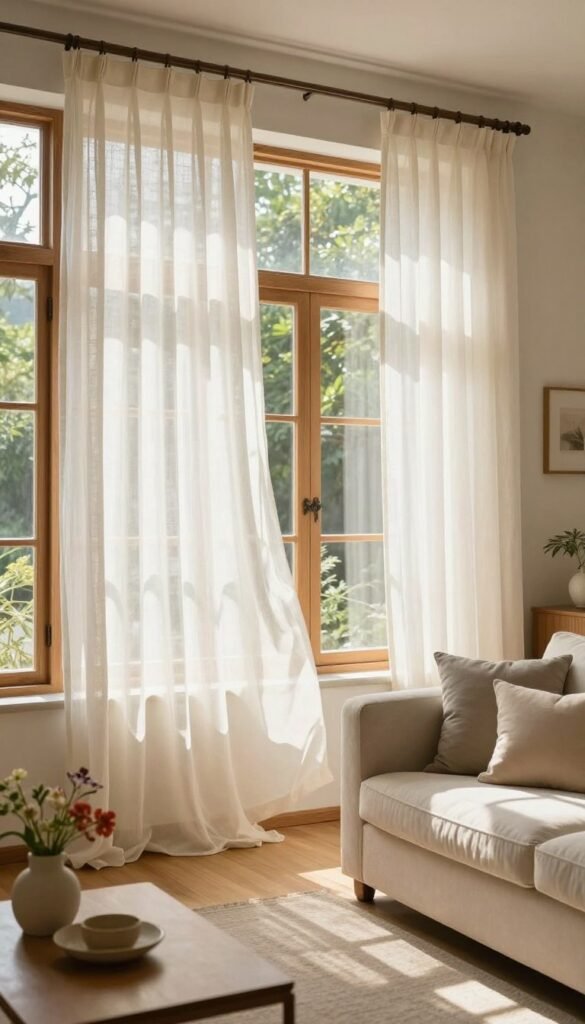
Who benefits and quick rationale
Best for dim rooms, north-facing windows, or homes that need privacy without blocking light. Sheer linen softens glare and keeps the space airy while still offering a layer of coverage.
Renter-friendly hanging options
- Use tension rods when the frame allows—no drilling needed.
- Choose no-drill brackets or clip panels to existing hardware.
- Hang the rod higher and wider than the opening to make the room read larger.
What to measure before buying
- Window width and desired stack-back (how much fabric gathers at each side).
- Rod height above the trim—raise 6–12″ to widen sightlines.
- Panel length so curtains just skim the floor, avoiding a short, chopped look.
Sheers vs. uncovered windows
Uncovered windows maximize light and a minimal aesthetic. Sheers soften harsh sun, add privacy, and filter natural light. They do need washing and can snag with pets or kids.
Simple layout moves to spread light
Shift tall furniture away from glazing. Angle seating so sightlines run toward the window. Keep pathways and low surfaces clear so light flows across the space and brightens the home’s overall design.
| Change | Impact | Commitment |
|---|---|---|
| Raise rod | Window reads larger | Low |
| Sheer linen panels | Softens sun, adds privacy | Low–Medium |
| Leave windows uncovered | Maximizes light | Low |
Summer Rugs and Layering Tricks for Small Living Rooms
Rugs can anchor a small space without adding visual weight when chosen for scale and weave. A light rug brings warmth without the heavy look that bulky piles create.
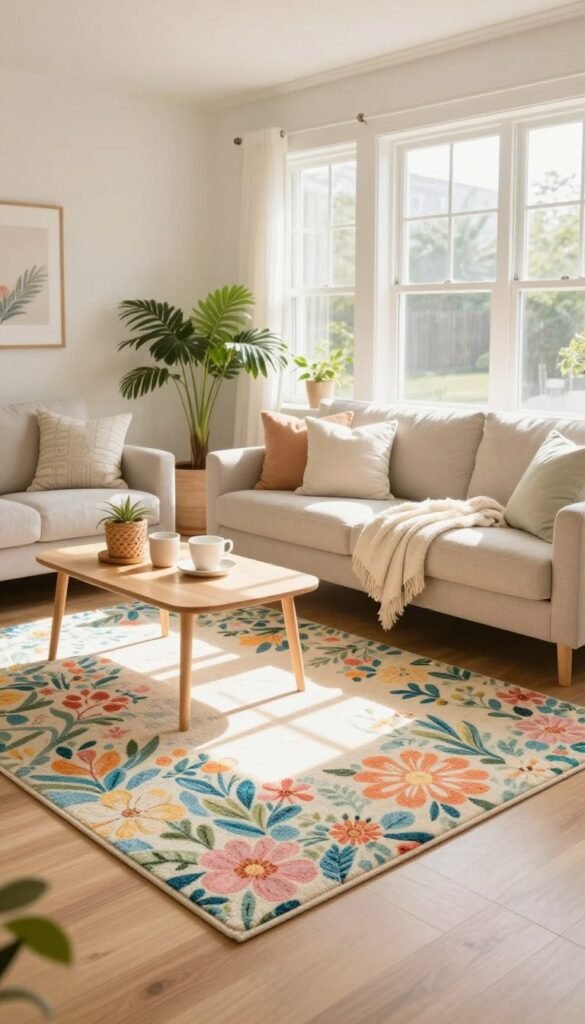
Which rugs work best: choose flatweave or low-pile options. They read visually lighter and vacuum easily. Natural fibers and synthetic blends offer stain resistance and quick clean-up.
Buying notes and sizing
- Pick an area large enough so the front legs of main furniture sit on it.
- Leave a modest border of floor to avoid chopping the space.
- In open plans, a slightly larger rug defines the zone without breaking flow.
Cleaning and upkeep
Look for washable or stain-treated weaves if pets or high traffic are present. Low piles hide less pet hair and vacuum faster.
Keep or swap?
Keep one bold rug (a Persian area rug is a classic anchor) to save money and storage. Swap seasonally to refresh a room, but plan storage and extra cost.
Layering works only if edges are flush. A neutral base with a smaller accent rug can add texture without trip hazards. This approach suits small apartments and thoughtful home decor updates.
Rattan, Jute, and Woven Decor That Adds Texture Without Clutter
A light layer of woven texture can warm a neutral space without adding another color. This approach suits a blank palette that needs depth but not extra accents.
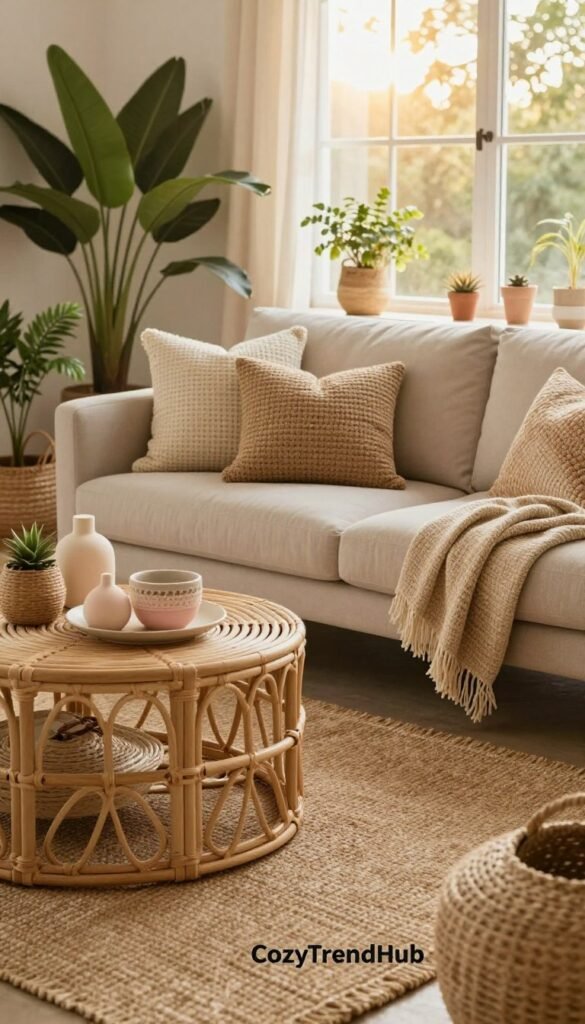
Who benefits
Minimalist homes, open plans, and renters gain the most. Woven items are removable, portable, and add quiet character without repainting or heavy purchases.
Where they work hardest
- Trays to ground coffee-table styling and keep items contained.
- Lidded boxes to hide remotes and small clutter.
- One large basket for throws, pillows, or to hide cords near an outlet.
- Woven pendant shades or a small lamp to soften light and shadow.
Buying notes and durability
Check structural stiffness—flimsy baskets collapse. Favor one large piece over many tiny ones. A fabric lining prevents snagging and protects fills. In humid or high-traffic areas, consider sealed finishes or indoor/outdoor weaves; natural fibers can shed, warp, or stain.
Styling tip: Use woven items as functional containers, not extra surface decor. Let them hold a limited set of objects to maintain calm design touches across the home.
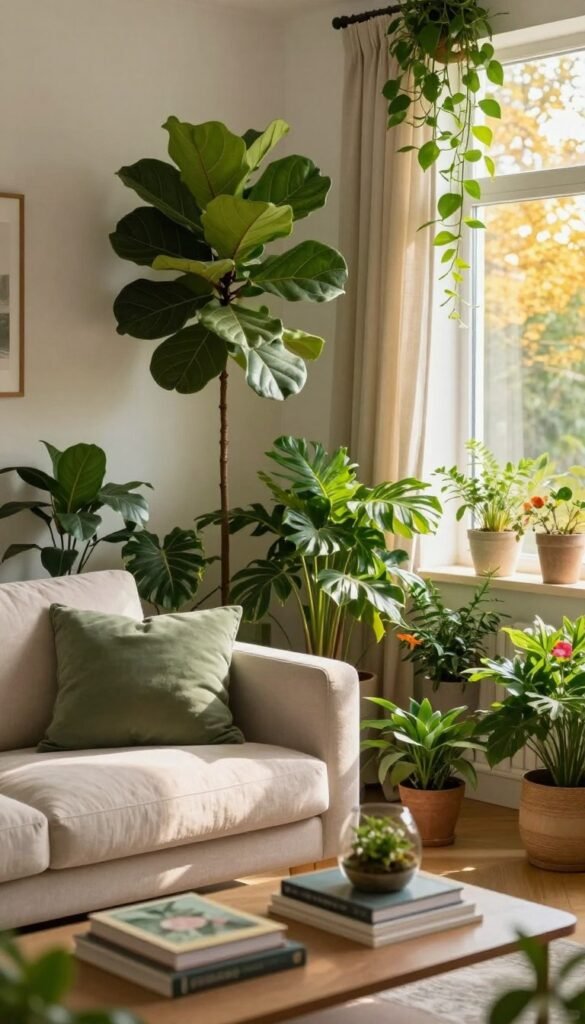
Greenery and Flowers That Look Fresh All Summer (Even If You Kill Plants)
A single plant or a tidy vase of stems can rewrite how a shelf or corner reads in minutes. This approach suits shelves that feel flat and corners that need height without a full restyle.
Who this helps
Best for: shelf styling that feels “meh,” corners that need vertical interest, and households that want seasonal freshness with little upkeep.
Real vs. faux: what to choose
Real plants and cut flowers bring authenticity and subtle scent. They do need light, watering, and occasional pruning.
High-quality faux greenery now looks shockingly realistic and is zero-maintenance. Use faux where windows are limited or care is impractical.
Easy wins and placement tips
- One medium potted plant on a stand to fill a corner.
- A grocery-vase of cut flowers on a shelf or side table for quick freshness.
- A bundle of dried palm stems for long-lasting summer texture that won’t wilt.
Keep real plants near suitable windows and avoid blocking pathways in small spaces. Place dried stems where shedding won’t cause a mess.
“High-quality faux greenery can be an excellent stand-in when natural light or schedules make live plants impractical.”
| Option | Maintenance | Where it works | Notes |
|---|---|---|---|
| Medium potted plant | Low–Medium (water, light) | Corner, plant stand near window | Gives height and life; choose hardy varieties |
| Cut flowers | Low (replace weekly) | Shelf, side table, entry console | Fast freshness; buy larger vase to look styled |
| Dried palm stems | Very low | Shelf, tall vase in corner | Long-lasting texture; may shed lightly |
| High-quality faux stems | Very low (dust) | Low-light spots, rentals | Dust regularly to keep natural look |
Quick pros and cons: Real plants and flowers read fresh but need care and proper light. Faux and dried stems require little upkeep but must be dusted and scaled well to avoid looking fake.
Coastal Summer Decor Without Going Overboard on Theme
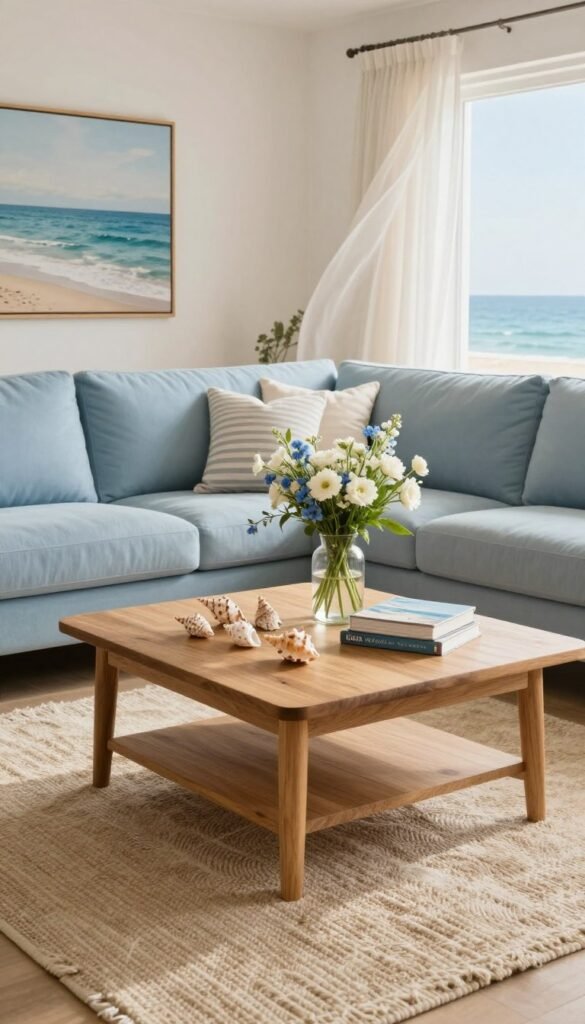
A restrained coastal touch can refresh a space without turning it into a souvenir shop. Keep the approach simple: one or two well-placed moments rather than many tiny pieces. This keeps the look intentional and calm.
Best for: anyone who wants a quick beach-adjacent vibe without repainting or buying themed furniture. Renters and small homes can get the effect with minimal cost and no permanent changes.
How to group shells and coral
Consolidate shells and coral into one mantel vignette or a tray on a coffee table. Place a larger coral sculpture with two smaller shells on a stack of books to create scale. A faux shell bowl that looks real can hold grouped pieces and read more designed than scattered accents.
Buying considerations
Choose faux when ethics, durability, or light are concerns. Natural pieces add texture but need care. Favor one larger statement object over many tiny trinkets. Place pieces on books, trays, or a low pedestal to signal intent.
Pros and cons by interior style
| Style | Pro | Con |
|---|---|---|
| Modern | Clean shapes, minimal palette | Needs careful scale to avoid looking kitschy |
| Traditional | Pairs with classic forms like trays and jars | Too many pieces can compete with patterned textiles |
“Group coastal elements into focused moments to read intentional, not thematic.”
Summer Scents That Make Your Home Feel Cleaner and More Intentional
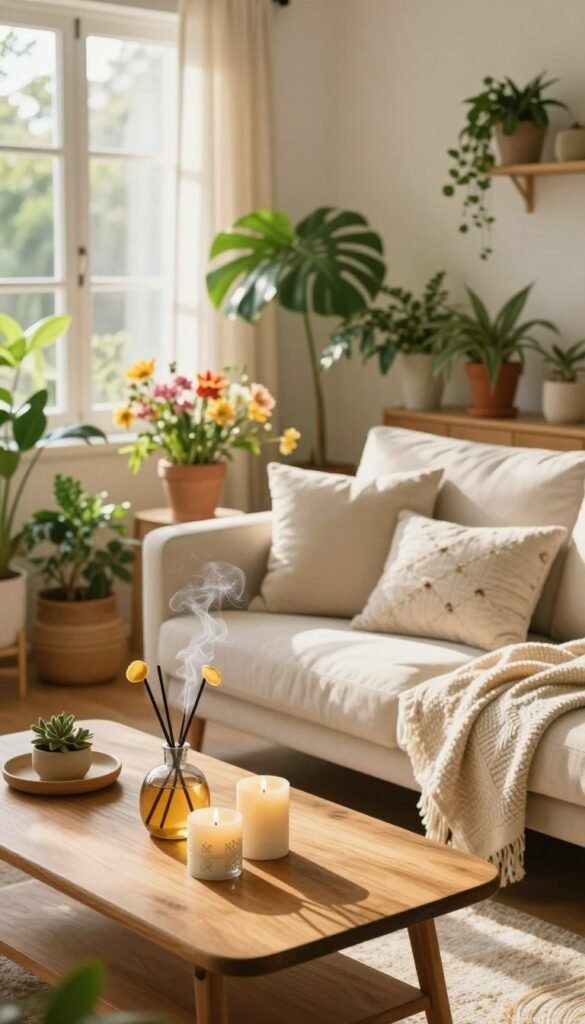
A thoughtfully chosen scent can make an entire open plan feel refreshed without swapping a single cushion. In homes where visual changes are subtle, fragrance acts as a finishing layer that unifies space and mood.
Best for open plans and minimal visual updates
Why it helps: scent travels through connected zones and makes the whole area feel cleaner and more intentional. This is useful when decor swaps are small.
Candle and diffuser notes to look for
Choose clean citrus (lemon, bergamot), herbal (basil, verbena), or light floral. Lafco Lemon Verbena is a good benchmark for a bright, non-heavy profile.
Buyer comparisons: coverage, safety, and longevity
- Candles: provide ambiance and immediate payoff; shorter coverage and need supervision.
- Diffusers: steady scent and better coverage for a large living area; low supervision required.
- Flameless options and linen sprays: good for homes with kids or pets and quick bursts of freshness.
| Option | Coverage | Longevity | Safety |
|---|---|---|---|
| Candle | Low–Medium | Short | Requires monitoring |
| Reed/diffuser | Medium–High | Long | Safe, low flame risk |
| Linen spray | Local | Short | Safe, quick refresh |
Value notes: prefer reusable vessels and refill options to reduce cost. Match scent strength to room size; choose milder blends for open interiors to avoid overpowering adjacent spaces.
Coffee Table and Ottoman Styling That Survives Real Life
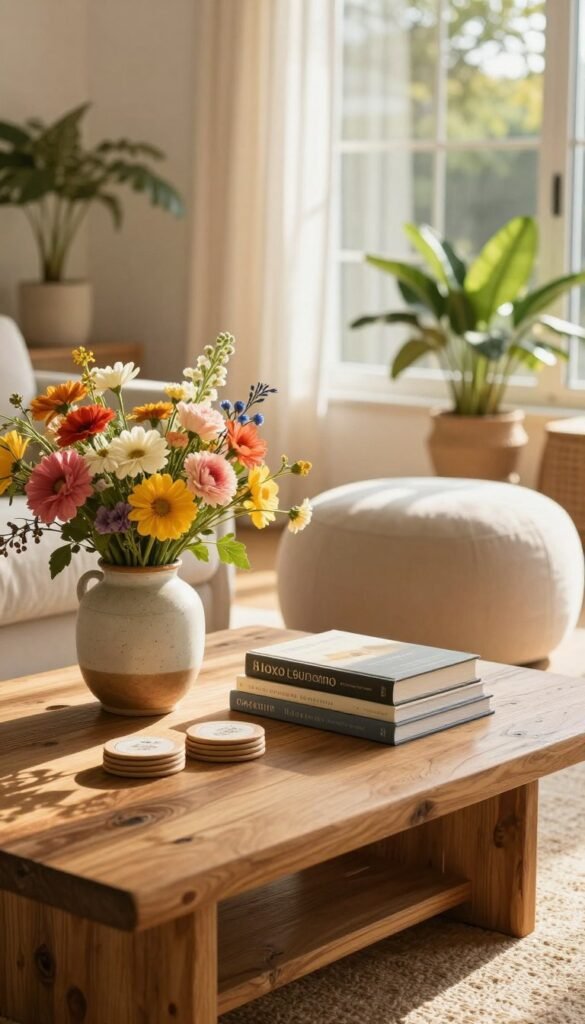
High-traffic tables need a styling system that clears in seconds and cleans easily.
Who this works for: family spaces, renters, and anyone who uses surfaces daily. The aim is a tidy look that stays functional.
Tray-first method
Start with a tray to ground items and make clearing instant. A tray keeps remotes, coasters, and a candle grouped so the surface is easy to move when needed.
Go-to mix
- Small stack of books for height and interest.
- One candle for scent and finish.
- Lidded box to hide remotes and small clutter.
- Something fresh — cut stems or a small plant — to signal the season.
Buying considerations
Pick tray size to fit a coffee table or ottoman without crowding. Choose materials—wood, acrylic, or rattan—based on wipeability and weight. Match coaster material to use: marble or cork handle condensation differently.
Pros / Cons
Pros: styled but movable; easier to wipe; looks intentional.
Cons: too many objects reduce function. Use a „leave 50% empty“ rule so the surface stays usable.
| Item | Why buy | Durability/Upkeep | Tip |
|---|---|---|---|
| Tray | Corral items, quick clear | Low (wipeable) | Size to leave edge space |
| Books | Add height and personality | Very low | Use 1–2, not a tall stack |
| Lidded box | Hide remotes and clutter | Low | Pick wipeable interior |
| Coasters | Protect table surface | Low | Marble for style, cork for grip |
Console Tables, Lamps, and Room Dividers for Open-Concept Layouts
A slim console can act like an invisible wall, defining a seating area without closing it off. This is a renter-friendly way to set zones in an open space with no construction needed.
Who this helps
Best for: apartments, combined dining and seating plans, and layouts where a sofa floats and needs an edge.
Why a console + lamp works
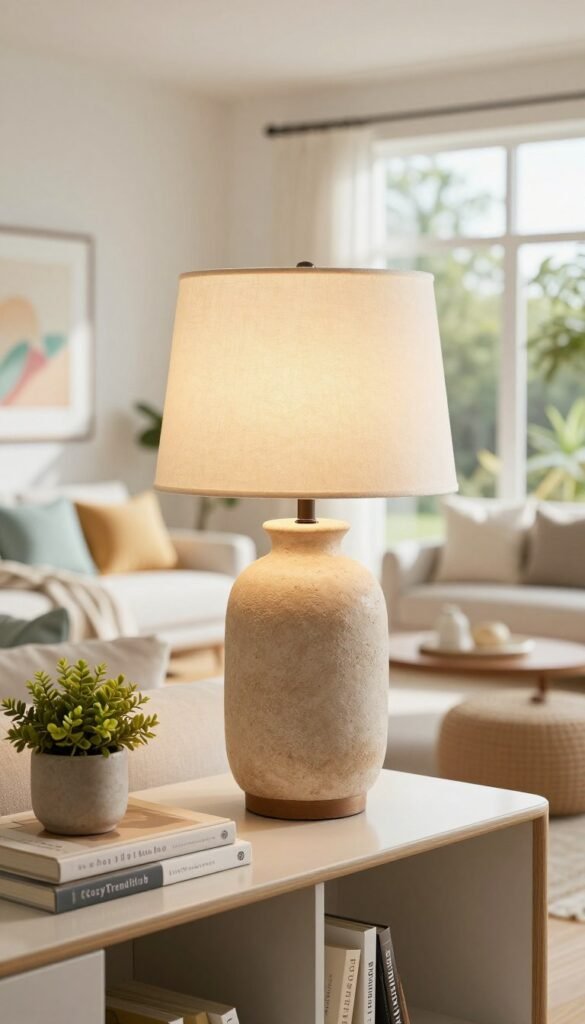
A console and a sculptural lamp create a clear height change and layered light. That signals a transition between zones while keeping sightlines open.
Storage that doubles as style
Place one large woven basket under or beside the console to hold throws and extra pillows. It hides clutter and reads as texture rather than junk.
Buying considerations
- Match lamp height so the shade sits above eye level when seated.
- Pick a console depth that keeps walkways clear—typically 12–16 inches.
- Choose a semi-opaque shade for warm light and plan cord routing that works in rentals.
Styling tip: Keep the top edited: lamp + a small tray for keys + one fresh element to avoid a permanent drop zone in the home’s living room.
Bookshelves and Shelving Updates That Don’t Require a Full Restyle
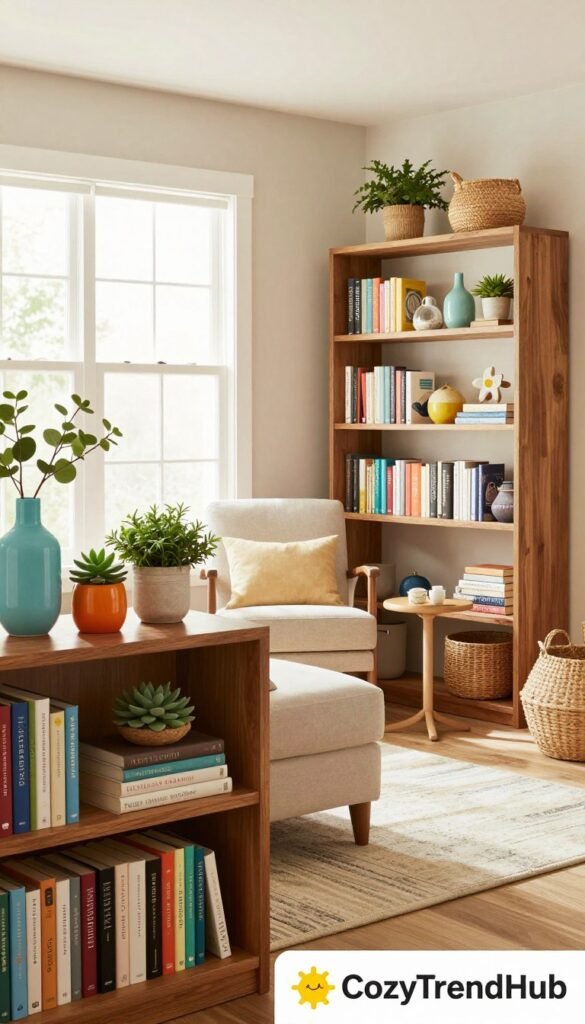
Refreshing shelves can be quick and low-commitment. Instead of clearing every shelf, keep most items and swap a few focal pieces. This approach delivers a seasonal look without a weekend overhaul.
Who benefits
Great for busy households, renters, and anyone who wants seasonal impact with minimal effort. The method keeps existing organization and only nudges the visual balance. It’s easy to reverse in fall.
Simple rotation system
Keep about 80–90% of current items. Then change 2–4 pieces per shelf wall. Suggested swaps: a vase, a small box, a planter, or a piece of leaner art.
What to add this season
Add one blue-and-white accent, a small greenery element, and lighter objects such as clear glass or pale ceramics. Swap a heavy ginger jar for a paler vessel to reduce visual weight.
Buyer considerations and cohesion rule
Choose objects with versatile colors and finishes so they move room-to-room. Repeat one material (woven or rattan) and one accent color across shelves and the main living area to keep an open-plan look unified.
| Change | Why it works | How many to swap |
|---|---|---|
| Add blue-and-white accent | Brightens the shelf and ties into coastal notes | 1 per shelf wall |
| Introduce greenery | Gives height and life without major care | 1 small planter or stems |
| Replace heavy objects | Lightens the visual field quickly | 1–2 large pieces |
“Swap a few focal pieces to change the look fast and keep everyday function intact.”
Wall Decor and Art Swaps That Refresh a Space (Renter-Friendly)
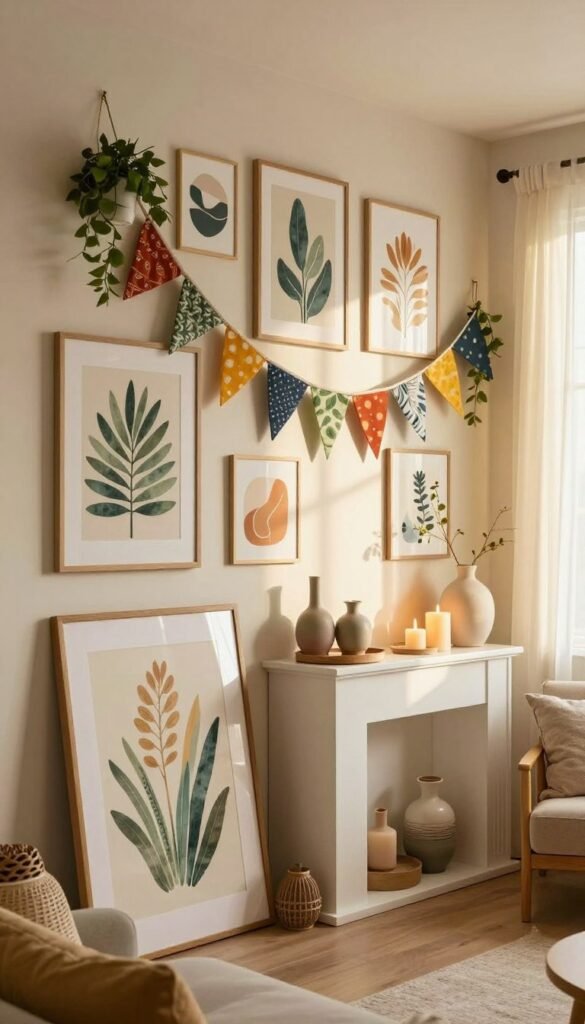
Lean new prints on shelves is an easy way to update a wall without tools. Swapping art changes how a room reads while leaving paint and large furniture untouched.
Who this helps
Great for renters, shared spaces, and anyone avoiding holes or paint. Print rotation lets the home feel current with little cost and no commitment.
Easy seasonal method
- Swap prints in existing frames or use standard-size prints for quick replacement.
- Lean art on ledges and shelves to avoid new holes and speed rotations.
- Use a digital display (Frame-TV style) to change artwork with one tap if already installed.
Trend and buying notes
Introduce a touch of buttery yellow for a soft, cheerful accent or a single cobalt blue piece for a crisp pop.
Choose non-glare finishes, standard frame sizes (8×10, 11×14, 16×20), and coordinated print sets to keep composition cohesive.
“Switching one focal piece can refresh the whole design without permanent change.”
| Change | Why | Commitment |
|---|---|---|
| Swap print sets | Quick cohesion | Low |
| Lean art on shelves | No new holes | Very low |
| Digital art display | Seasonal rotation | Low–Medium |
Small-Space Summer Decor Ideas for Apartments, Studios, and Shared Living Rooms
When square footage is tight, choose moves that open sightlines and reduce clutter. This approach helps a small living room feel bigger, cleaner, and brighter without a big budget.
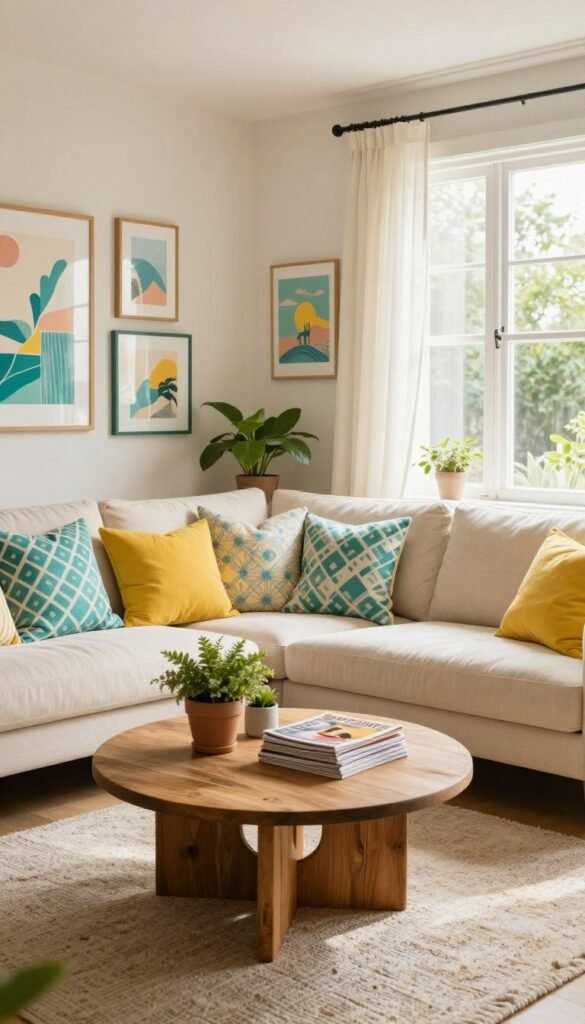
Prioritize: light textiles, maximum natural light, and multipurpose pieces such as storage baskets and trays. These three changes give the most visible gain in a small space.
Avoid: lots of tiny accessories, heavy fabrics, and items that steal usable surface area. Too many small objects make a space read cluttered and smaller.
Apartment-safe upgrade list
- Swap pillow covers to lighter colors and breathable fabrics.
- Add sheer linen panels or leave windows mostly uncovered to boost natural light.
- Use one tray on the coffee table to corral items and keep surfaces clear.
- Brighten corners with plug-in lamps or wall sconces—no hardwiring needed.
Rule to keep clutter down: one-in, one-out—when a summer piece arrives, store a heavy winter item. This simple habit preserves floor and surface space and keeps the room functional.
| Move | Impact | Commitment |
|---|---|---|
| Light pillow covers | Instant fresh look | Low |
| Sheer panels | More natural light | Low |
| Tray + basket | Contain clutter | Low |
Outdoor-Adjacent Styling for Balconies, Patios, and “Open Space” Living
Link the sofa zone to a balcony or patio by repeating one color and adding functional outdoor seating. This small move solves the common problem of an indoors that feels disconnected from its outside area.
Who this suits: renters with balconies, owners of small patios, and anyone who wants the main living area to flow into an outdoor space for entertaining.

Quick shopping list and why it matters
- Weatherproof rug — defines the zone and holds lightweight furniture in place.
- Outdoor poufs — flexible seating that stashes easily and won’t crowd the space.
- String lights — evening light without hardwiring; creates atmosphere and extends use.
- Small side table or bar cart — holds iced drinks and reduces trips inside.
Buying considerations
Choose UV-resistant fabrics and easy-clean materials. Look for rugs with mildew-resistant backing and poufs with zip-off covers. Store cushions in a sealed bin during storms.
| Item | Key feature | Tip |
|---|---|---|
| Rug | Weatherproof, UV-rated | Pick size that leaves a walking margin |
| Poufs | Water-resistant cover | Stackable or lightweight for storage |
| String lights | LED, low-heat | Opt for plug-in or solar models |
Mini setup tip
Place a small side table or bar cart within arm’s reach of both indoor seating and the patio entrance. It keeps drinks handy and encourages guests to use the outdoor space.
Styling cohesion: repeat one material or color (woven texture, blue-and-white, or a touch of greenery) so the outdoor area reads like a seamless extension of the home’s interior style.
“A minimal outdoor kit—rug, poufs, lights, and a small table—turns a balcony into a useful, connected living space.”
Conclusion
, A short, practical plan is the fastest path to a fresher home. Start by reducing heavy textiles and clearing clutter so light and air can do most of the work.
Weekend plan: Day 1 — declutter surfaces and set a tray system. Day 2 — swap pillow covers and a throw, raise or add sheers, then place one plant or a small bouquet.
Smart buys: prioritize pillow covers, sheer linen panels, one large basket, one tray, and a subtle scent. These items give high cost-to-impact value and are easy to store.
Keep zones cohesive by repeating one accent color and one natural texture across the living area. Store heavy blankets and extra cushions cleanly so the next seasonal swap is quick.
Use this repeatable system each summer to keep a home feeling fresh, functional, and quietly intentional without overdoing the accessories.