
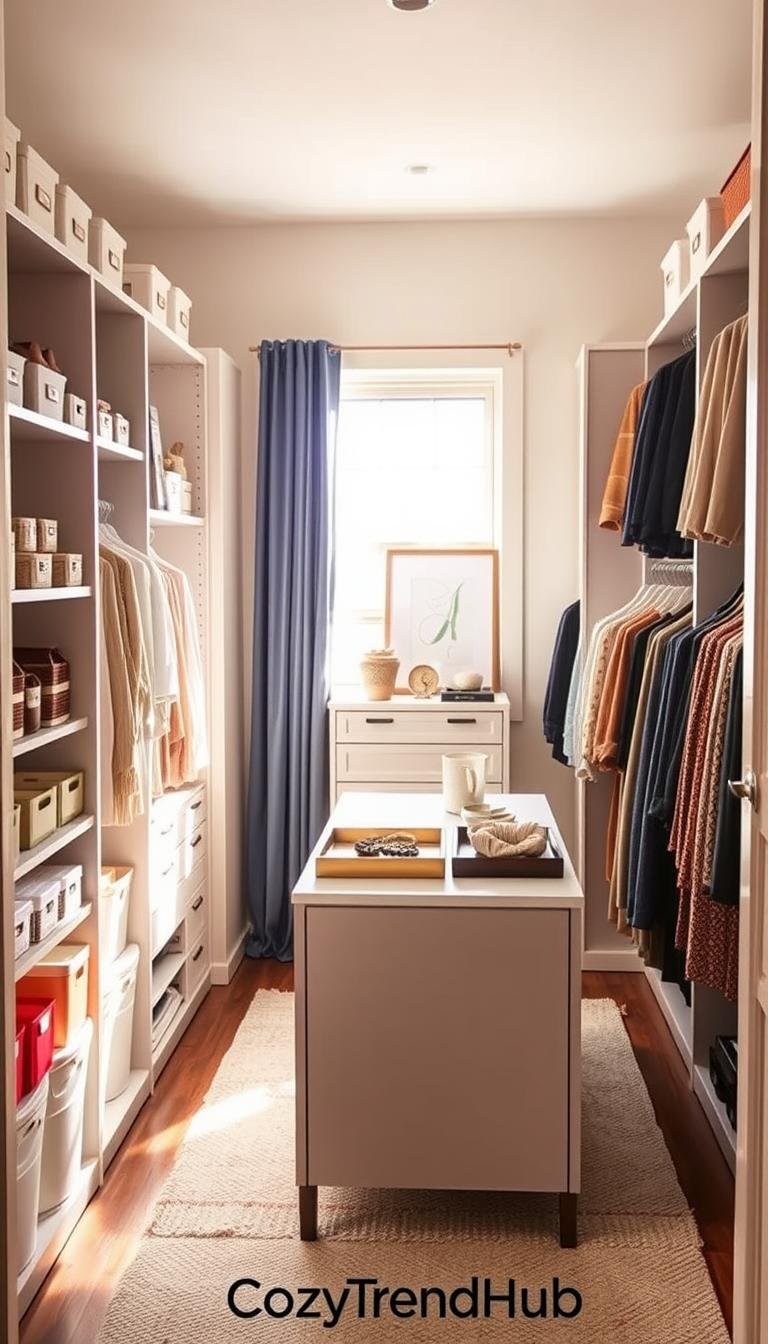
This short guide frames a simple, renter-friendly plan for messy wardrobe zones that saves time and reduces daily decision fatigue.
The usual problem is clear: cramped hanging, shoes piling up, and loose items that spread clutter across every shelf. The first step is to remove everything and sort into keep, donate, and trash. That quick sweep creates the breathing room needed for any organizing system.
This guide offers five same-day solutions that require no wall damage and five upgrades for better storage over time. Each recommendation follows a decision flow: problem → fix/upgrade → what to measure → product type → pros and cons.
Readers include renters, small-space people, and households managing seasonal clothes. The aim is practical outcomes: fewer morning choices, faster routines, and storage that fits real life.
For related home improvement ideas and simple upgrades, see best simple home decor upgrades.
Key Takeaways
- Start by clearing out: sort items into keep, donate, trash.
- Same-day wins: five renter-safe fixes that take one day.
- Upgrade smartly: pick changes that improve storage and wardrobe flow.
- Measure first: know hanging height and shelf depth before buying.
- Designed for real life: solutions fit small spaces and seasonal needs.
Start Here: The Fast Closet Reset That Makes Every Fix Work Better
Start by emptying the space so every decision is about what stays and what goes.
Pull everything out and sort into three piles: keep, donate, trash. This simple sweep reduces clutter and reveals duplicates that hide in mixed stacks.
Edit by category: group shirts with shirts, pants with pants, and outerwear with outerwear. Use the rule, “Have you worn it in the last year?” for most clothing, with room for seasonal items. Create a small “maybe” pile to finish the job without stalling.
Identify the main bottleneck: messy hanging. Single rods often waste vertical space and hide what’s usable. Measure rod length, hanging height, shelf depth, door clearance, and floor space so product choices match the real layout.
Plan the layout by assigning a place for most-used categories first and reserving the top shelf for seldom-used items.
- Why reset first: bins, racks, and hanger sets perform better once items are edited.
- Decision points: what to keep, what to store elsewhere, and what to measure before shopping.
After this reset, the reader will know whether they need more hanging, more shelving, or drawers — so they can shop confidently. See practical product ideas at best closet organization ideas and apartment-friendly storage at best laundry storage for small spaces.
Closet fast fixes you can do today without damaging walls
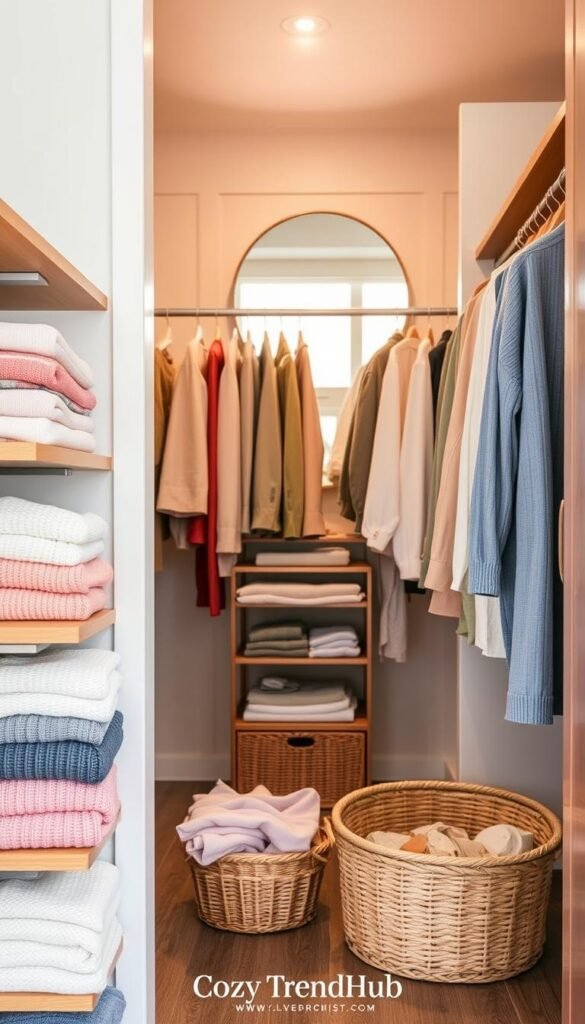
A small swap up front can cut visual chaos and free hanging room in minutes.
Standardize hangers
Replace mismatched hangers with one type to instantly reduce visual clutter and reclaim rod space. Slim velvet hangers work well for shirts and light dresses. Use sturdy wooden or molded hangers for coats and heavy jackets.
Create simple zones
Group shirts, pants, and jackets together. Put most-used items at eye level for quick daily access. Label sections if multiple people share the space.
Stack more, hang less
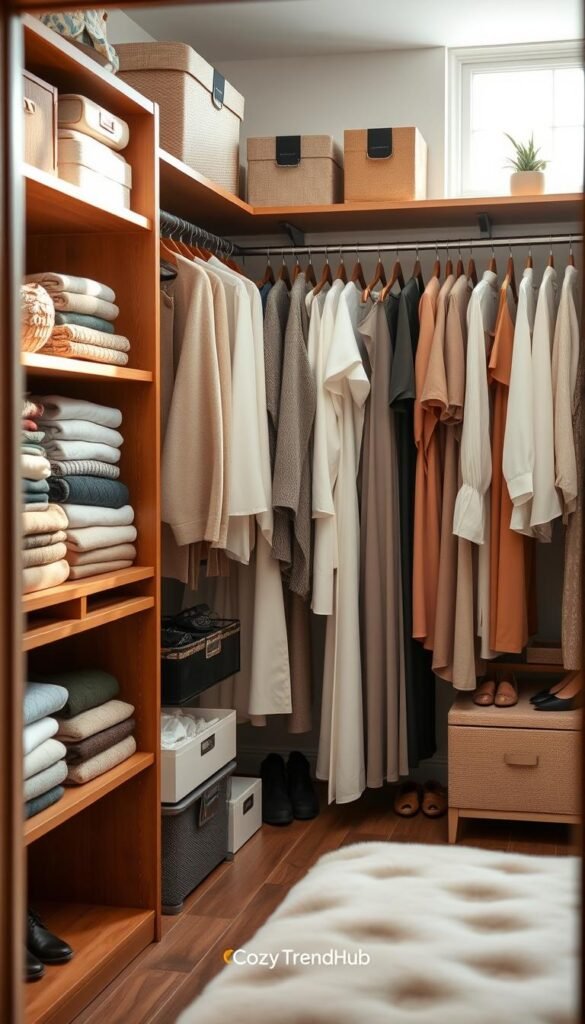
Fold jeans and sweaters on a shelf to prevent hanger bumps and free rod room. Use shallow baskets to keep stacks tidy and visible.
Shoe solutions and small-item containment
Choose a no-drill floor rack for seasonal pairs or an over-the-door organizer for very tight spaces. Corral belts, scarves, and small items in bins with labels so clutter doesn’t spread across shelves.
Quick product picks and buying checklist
| Pick | Best for | Notes |
|---|---|---|
| Slim velvet hangers | Small reach-in | Saves space; avoid for heavy coats |
| No-drill shoe rack | Rotating shoes | Check floor footprint |
| Over-door organizer | Ultra-tight closets | Measure door thickness |
Measure before you buy: door clearance, shelf depth, rod diameter, and floor footprint. For more product ideas and a recommended storage mix, see best closet storage mix.
Closet upgrades for more space: better hanging, shelves, and drawers
A few measured changes transform wasted vertical space into useful storage. Start by deciding which garments should remain on hangers and which belong folded.
Add double hanging when it matters
When it helps: double hanging is highest-impact for shirts, pants, and shorter dresses. It can nearly double hanging capacity in shared or crowded areas.
Measure first: aim for roughly 40–45″ from the top rod to the lower rod for shirts and folded pants. Leave at least 6″ clearance above stacks to prevent dragging.
Upgrade shelving to define zones
Install deeper shelves for bins and a shallow shelf for shoes and accessories. A 12–14″ shelf depth fits folded jeans and most bins.
Pros: visible stacks and tidy bins. Cons: heavier shelving needs proper support or a mounted kit.
Add drawers to cut hanging needs
Drawers are ideal for tees, leggings, and sleepwear. They store more items per square inch than hanging alone.
Choose a drawer unit that fits available width and be mindful of door swing and baseboards.
Hardware refresh and renter-friendly options
New knobs or pulls update doors with minimal time and disruption. For renters, tension systems or freestanding towers offer structure without drilling.
Permanent installs: wall-mounted kits work best for long-term homes where holes are allowed.
„Measure before you buy: door clearance, available width, and baseboard height save returns.“
| Product type | Best for | Install level | Pros / Cons |
|---|---|---|---|
| Double-rod kit | Shared or short-garment spaces | Moderate (some drilling) | + High capacity / – Not for long coats |
| Tension organizer | Renters, no-drill | Easy | + No damage / – Limited load |
| Drawer tower | Casual wardrobes (tees, leggings) | Freestanding | + Fewer hangers / – Check door swing |
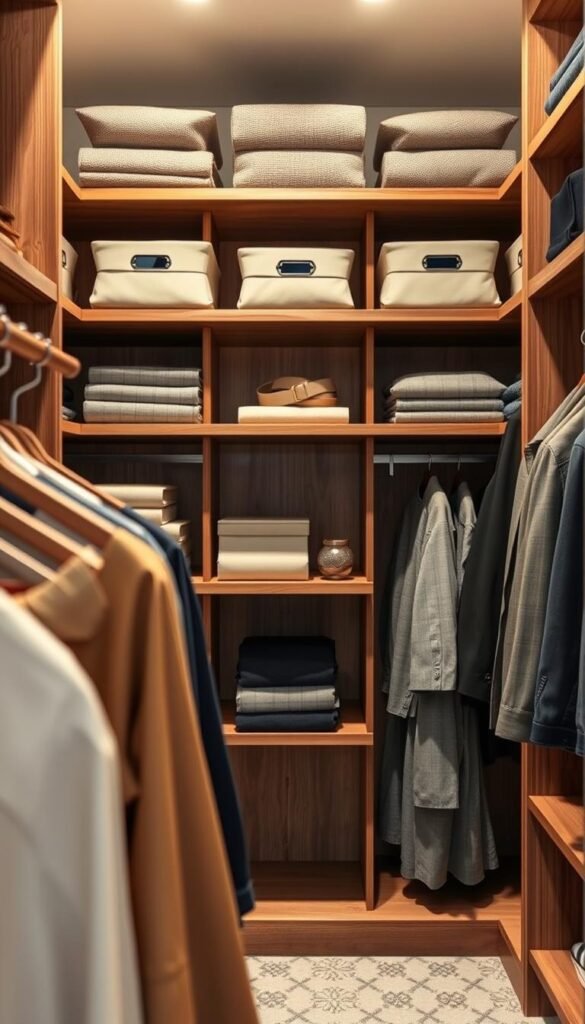
For planning a larger rework and layout tips, see planning a walk-in and renter-focused updates at budget-friendly upgrades. For maximizing small spaces and organizer ideas consult space-maximizing measures and best organizers for small spaces.
Conclusion
A clear, repeatable routine brings the biggest wins in small wardrobes. Start with a quick reset: edit items, remove donate bags promptly, and assign visible zones for shirts, pants, and shoes.
One-day wins include swapping to uniform hangers, marking zones, adding a shoe solution, and using labeled bins. Bigger upgrades—double rods, deeper shelves, or drawer towers—come next when measurement shows a real bottleneck.
Measure rod height, shelf depth, door clearance, and floor footprint before buying. Compare options and consult practical guides like common organizing mistakes at organizers’ tips and small-space ideas at small-closet organization ideas.
Choose your next step: shoes in the way? Start with shoe storage. Clothes too tight? Add double hanging or drawers. Small items roam? Add bins and labels. For layout help and local solutions, see a practical guide at closet solutions guide and entryway storage ideas for shoes and coats at entryway organization.
Keep it simple: seasonal swaps in an under-bed box and a short monthly check-in preserve gains. The goal is steady, usable storage that saves time and helps people find shirts, pants, and shoes without daily rework.