
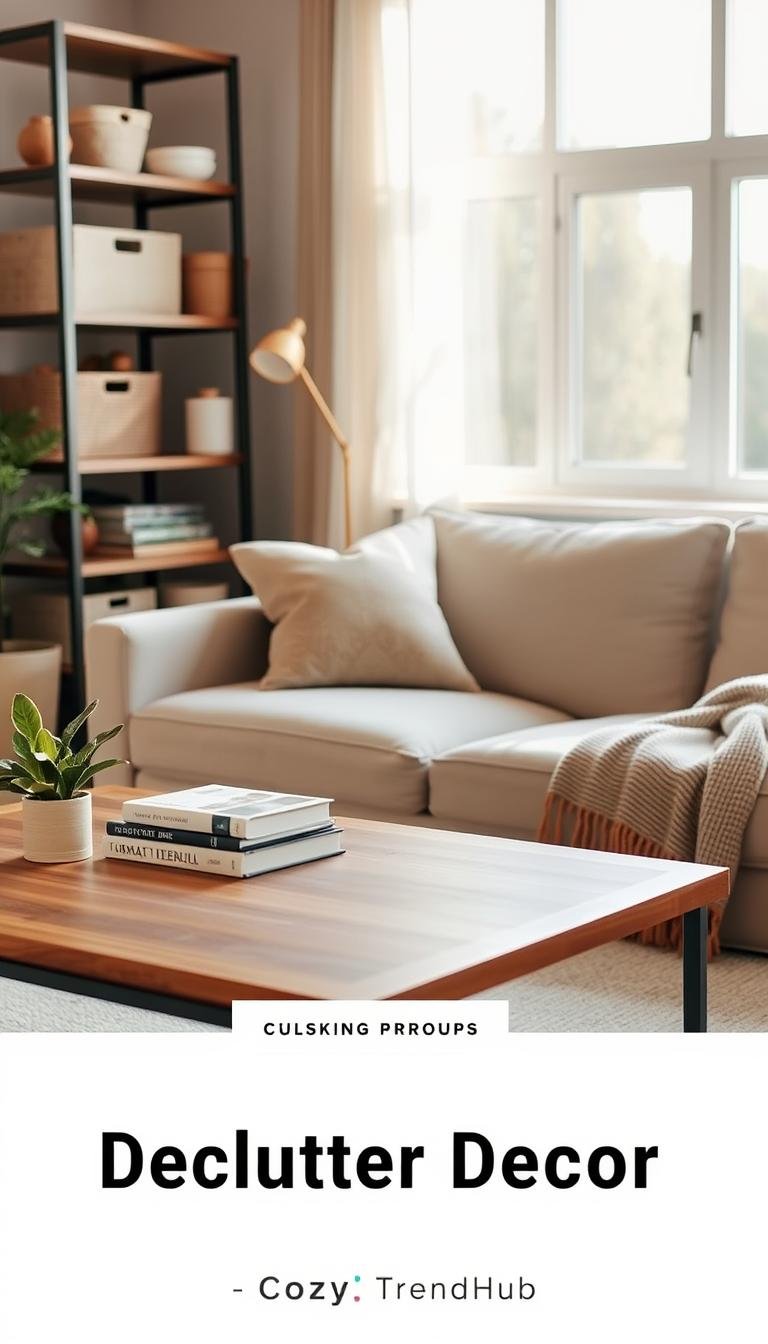
Many homes feel messy not because they are dirty, but because surfaces, shelves, and walls collect items that don’t serve daily life. This piece starts with simple, renter-friendly steps to remove visual noise and create visual whitespace.
The approach is practical: first subtract excess, then add storage that keeps essentials accessible. Readers will get a step-by-step method, followed by five storage picks like over-the-door racks, clear bins, under-bed rollers, wall hooks, and slim shelving.
This is for renters with no-drill rules, small-space residents, families with kids, and seasonal decorators who need an easy reset routine.
Each product recommendation includes what to measure, install type (renter-safe or drilled), and the exact problem it solves. The guide avoids hype and focuses on usable tips, pros/cons, and buying checks so shopping improves function instead of adding more clutter.
Key Takeaways
- Start by clearing one surface per room to create immediate visual whitespace.
- Remove items that don’t serve daily life before shopping for storage.
- Choose renter-safe options when drilling isn’t allowed.
- Measure spaces and check install types to avoid returns.
- Five storage picks solve common small-home problems: over-the-door, clear bins, under-bed, hooks, slim shelving.
- Product notes include “best for,” pros/cons, and buying checks to guide confident purchases.
For a related minimalist living-room approach, see best minimalist living room ideas.
What “decor clutter” really is and why it makes your home feel messy
Visual noise from random objects can quietly erode a room’s calm and coherence. In simple terms, decor clutter is any extra piece that could disappear without changing day-to-day life. These are not essentials you use every morning.
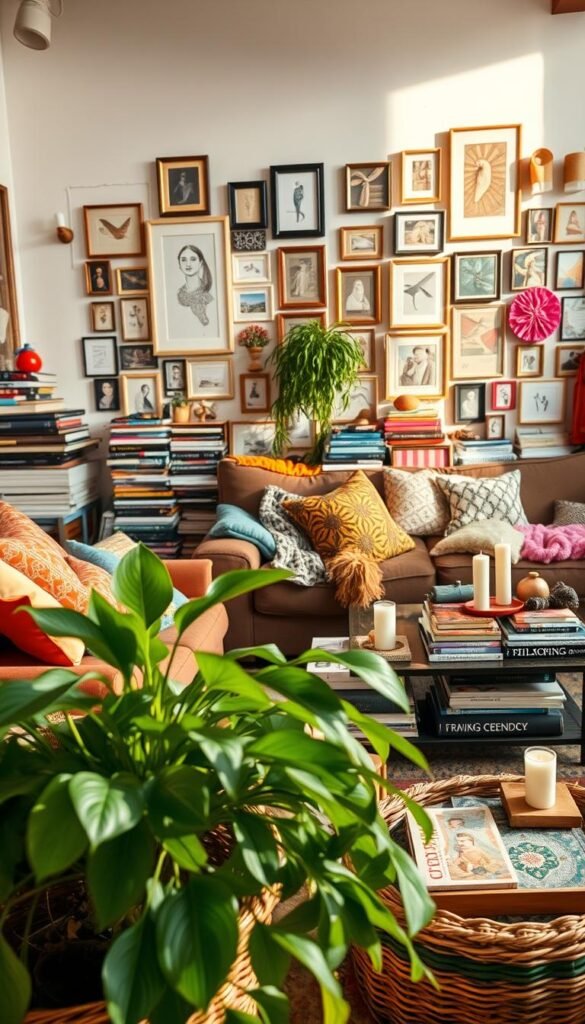
Common examples renters recognize include surplus throw pillows, mismatched vases, filler wall art, and scattered trinkets on shelves. If an item could go missing and no one would notice—or the household would feel relieved—it is likely unnecessary.
„If an object doesn’t support daily life or a clear style, it takes up more than space—it steals attention.“
The hidden cost is practical and visual. Extra items use limited shelf and wall space, increase dusting, and bury favorite pieces so the whole house fails to feel like a finished, cohesive space.
Subtraction before shopping matters: new purchases rarely shine on crowded surfaces. Clearing space first leads to smarter buys and fewer returns. For small-space decorating ideas that follow this rule, see best spring decor for small spaces.
How to declutter decor without getting overwhelmed
Start small: a clear rule and a 15-minute sweep can change how a room feels fast.
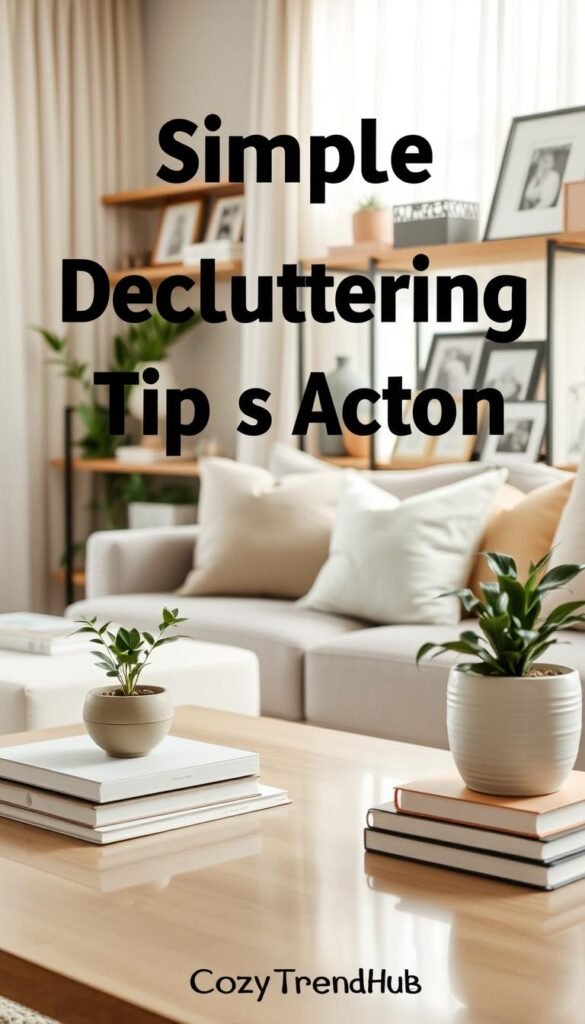
Set a 3-word intention for each room (for example: calm, open, functional). That intention acts as a decision filter and cuts down second-guessing during the process.
Quick whole-house sweep
Spend 15 minutes on a fast sweep for trash, returns, and „easy yes“ donations. No deep thinking—just collect obvious stuff that belongs elsewhere and put it in labeled bags.
The camera crew test
Imagine a magazine photo shoot and note what would be shoved out of view. Anything you’d hide is a first candidate to get rid of for good.
Keep-or-go rule
Keep only what is loved or used. Release items kept from guilt, sunk cost, or “maybe someday.” This rule speeds decisions and reduces emotional load.
Sort, limit, and protect
Sort like items together so the household sees true volume—candles, frames, and vases in one spot. Choose a display or container limit (one shelf or one tray) and let that limit decide what stays.
Separate emotional keepsakes into labeled, protected boxes. That protects memories without letting them take prime display space.
„Short, visible wins keep momentum—clear one surface per session and notice the change.“
| Action | Time | Why it helps |
|---|---|---|
| Whole-house sweep | 15 minutes | Removes obvious trash, returns, and easy donations quickly |
| Camera crew test | 5 minutes per room | Helps spot items that don’t belong on surfaces |
| Sort like-with-like | 10–20 minutes | Shows true volume so only the best items remain |
| Pack keepsakes | Varies | Protects emotional stuff and frees display spots |
Declutter decor ideas that work in rentals and small spaces
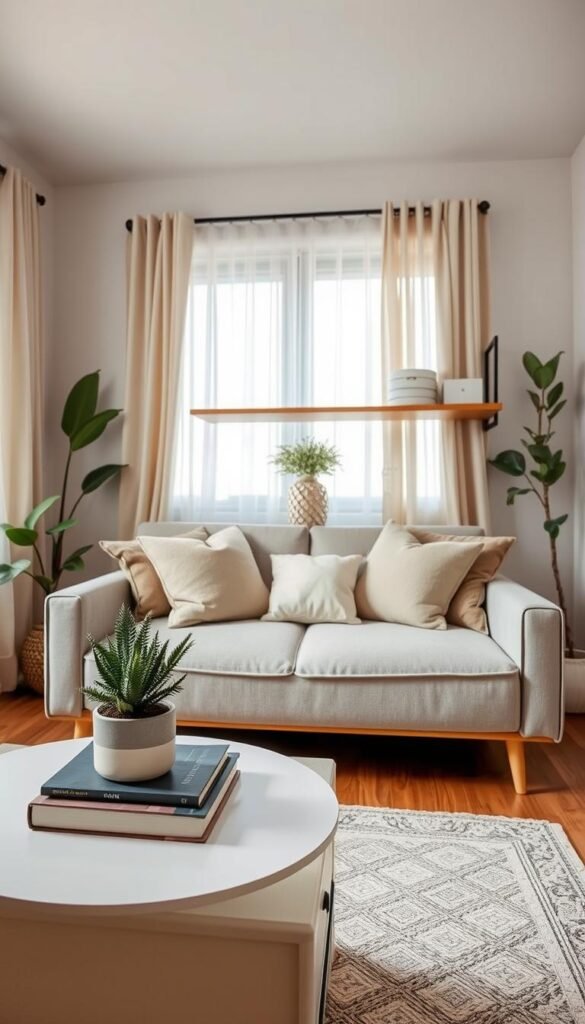
A single cleared surface rewires how a space reads without a full overhaul. Start by picking one surface in each room—coffee table, entry console, nightstand, or counter—and clear everything off. That quick win creates instant visual whitespace and shows progress fast.
Reset one surface per room
Contain small items with trays and bins so surfaces stay tidy and are easy to wipe down. This renter-safe method needs no hardware and makes daily resets simple.
Curate one intentional display
Choose a single theme—ironstone, travel mugs, or framed photos—and place the best pieces together. Anything that doesn’t fit should go into storage, sale, or donation so the remaining pieces read as a designed group.
Simplify wall styling
Remove items hung just to fill space. Keep fewer, style-consistent pieces on the wall and leave some blank areas. Calm walls make a whole room feel more intentional.
Turn the bedroom into a sanctuary
Clear shopping bags, unread stacks, and floor piles. When the bedroom stops acting as overflow, it supports rest and looks finished without adding furniture.
Pride of place for everyday items
Assign frequently used objects a permanent home—keys by the door, the everyday mug near the coffee station. This prevents constant countertop drift and points to the storage types (hooks, slim shelving, under-bed bins) readers will need next.
For small-space styling that keeps surfaces calm, see best summer living-room ideas.
„Clear one surface at a time and the rest of the room will follow.“
Seasonal and family-proof decluttering routines you can actually maintain
Seasonal resets work best when they become simple, repeatable habits rather than big, rare projects. Start with a short plan and accept that it may take more than one session to finish. Give grace to the process and involve the whole family so it fits real life.
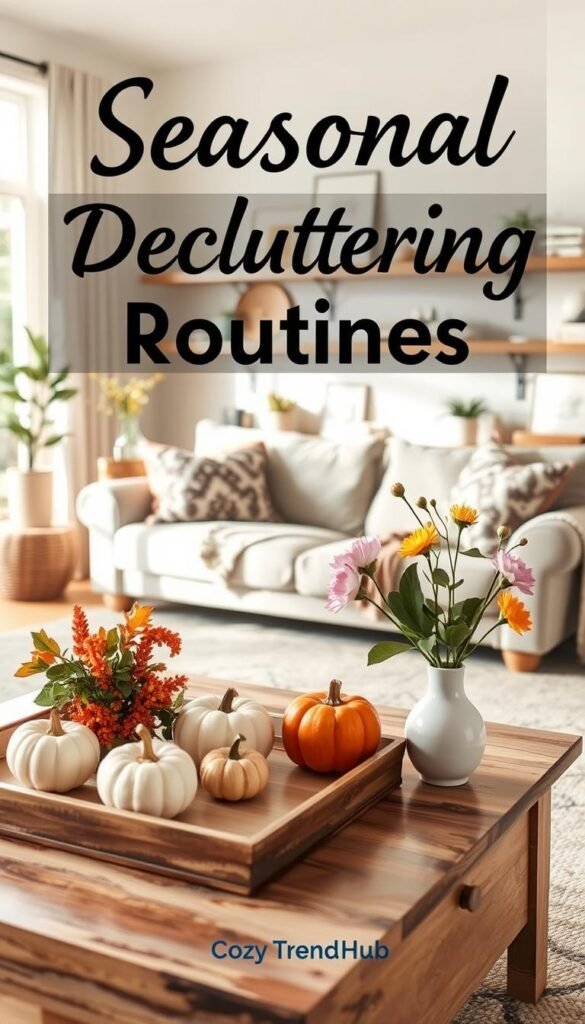
Post-holiday reset
Pack keepers first, purge broken or outdated items immediately, and label boxes by room so unpacking is faster next year. Limit seasonal storage to the bin count your space allows so nothing lingers for years.
Kid- and family-friendly rhythms
Before birthdays and major holidays, have kids fill a box with toys or clothes they no longer use. This donation rhythm makes room for new gifts and teaches generosity.
Maintenance systems that actually work
- Keep one donation bag each week (or every other week) to avoid marathon sessions. See a helpful challenge for small steps here.
- Create a donation zone in a garage, closet, or entry area so outgoing stuff doesn’t slip back in.
- Adopt a household „one in, one out“ rule so new items mean an older item leaves.
„Small, steady habits protect a home’s calm far better than rare, intensive cleanups.“
Durable labeled bins, under-bed containers, and over-the-door organizers make these routines easier to keep up; for entry-area solutions, check practical entryway organization ideas. For quick post-holiday packing strategies, this easy approach is useful, and seasonal take-down tips appear here.
Storage picks for decluttered decor in small homes
Choosing the right organizers makes small spaces work harder and look calmer.
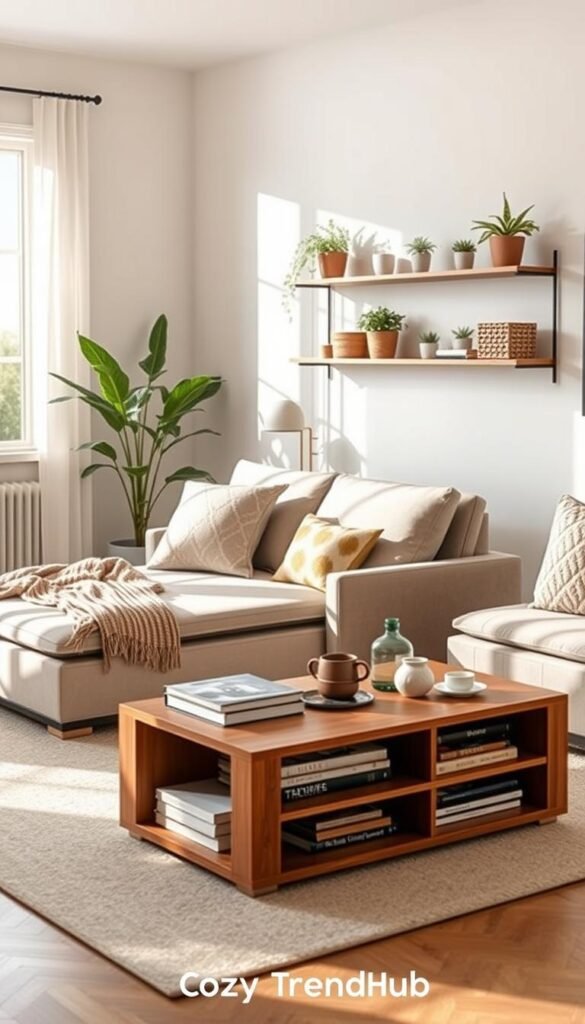
Pre-buy checklist: measure door width, under-bed clearance, and wall length. Confirm rental mounting rules and pick a permanent place for each category of items. This prevents returns and wasted square footage.
Over-the-door organizer
Best for: renters with no-drill rules. What it stores: accessories, cleaning refills, craft supplies. Pros: adds vertical space without tools. Cons: can rattle or block closure if overloaded.
Clear lidded stackable bins
Best for: seasonal pieces. Buying notes: uniform sizes, secure lids, label panels. Clear bins solve the mystery-box problem by keeping items visible and dust-free.
Under-bed rolling storage
Best for: small bedrooms that need hidden capacity. Look for low-profile wheels and a height that fits under your bed frame.
Wall-mounted hooks or rail
Best for: daily drop-zone clutter. Use rated adhesive hooks or a minimal-hole rail where allowed. This gets pickups off floors and counters.
Slim shelving or bookcase
Best for: a curated place for favorite pieces. Choose adjustable shelves and anchor options to keep furniture safe.
| Pick | Best-for | Capacity | Footprint | Install type | Ideal room |
|---|---|---|---|---|---|
| Over-the-door organizer | Renters, tight closets | Medium | Door-width | No-drill hooks | Closet/entry |
| Clear lidded bins | Seasonal storage | High (stackable) | Stack footprint | No install | Storage room/closet |
| Under-bed rolling storage | Small bedrooms | High (hidden) | Under-bed | No install | Bedroom |
| Wall hooks / rail | Everyday items | Low–Medium | Wall length | Adhesive or minimal holes | Entry/kitchen |
| Slim shelving unit | Curated display | Medium | Floor footprint | Anchored | Living room/office |
For product options and vetted picks, see designer-approved storage picks, smart storage solutions, and storage ideas for renters.
Conclusion
Begin with one visible surface today and let that clear spot guide the next step. A calmer home comes from removing extras first, then choosing storage that fits daily life.
Get rid of items kept from guilt, sunk cost, or habit—especially random junk that fills shelves and hides favorite pieces. For guidance on what to keep, consult a quick checklist before sorting.
Keep momentum with simple maintenance: one donation bag each week, a set donation spot, and a strict „one in, one out“ rule. Read about the benefits for wellbeing to stay motivated.
Before buying storage, measure the space, confirm rental rules, and place each item where it will actually be used. Match needs to solutions using the comparison table and this round-up of storage product picks.
Choose one tip now, then pick one storage solution that fits your family’s routine—small steps save time and keep rooms feeling like home.