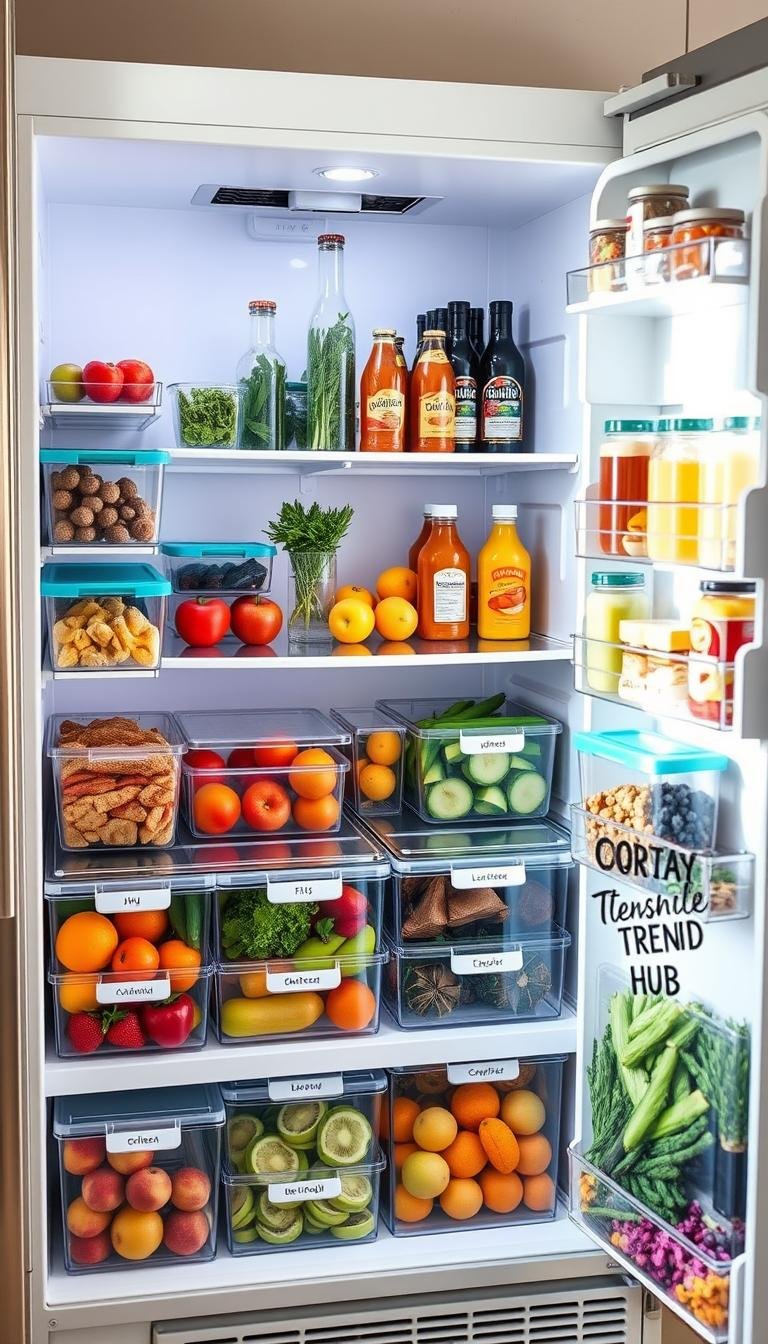
Many small kitchens suffer from crowded shelves, mystery leftovers, and produce that rots fast. Renters and apartment dwellers often need fixes that don’t alter the space. This guide connects those everyday problems to renter-friendly, modular solutions.
The approach is simple. First, set up the fridge for safe temps and clear visibility. Next, add non-permanent organizers to create more usable space. Finally, choose the right food containers to limit air exposure and reduce odors.
This guide is for renters, busy households, meal-preppers, and seasonal hosts who want realistic improvements. “Best” here means easy to use, easy to clean, and practical to move between homes.
Readers will see previews of clear bins, under-shelf drawers, divided boxes, herb keepers, airtight glass sets, silicone pods, and wraps. The page supports comparison tables and affiliate picks and links to related renter ideas at best home solutions for renters.
What you’ll get: simple safety rules, a small-space buying checklist, top organizer picks, top container picks, and a final checklist to cut waste and keep foods fresh all week.
Key Takeaways
- Identify core problems: crowded shelves, mystery leftovers, and lingering smells.
- Focus on safety first, then maximize space with renter-friendly organizers.
- Choose clear, stackable food containers to extend shelf life and cut waste.
- Prefer modular, non-permanent upgrades that move with the renter.
- Follow a short checklist for buying and weekly maintenance.
Start With Food Safety: Set Up Your Fridge to Prevent Spoilage and Food Waste
Start by making safety the baseline: a correct temperature and clear shelf order stop spoilage before any bins are added. Small kitchens benefit most when simple rules are put in place first. This helps purchases work as intended and cuts food waste.
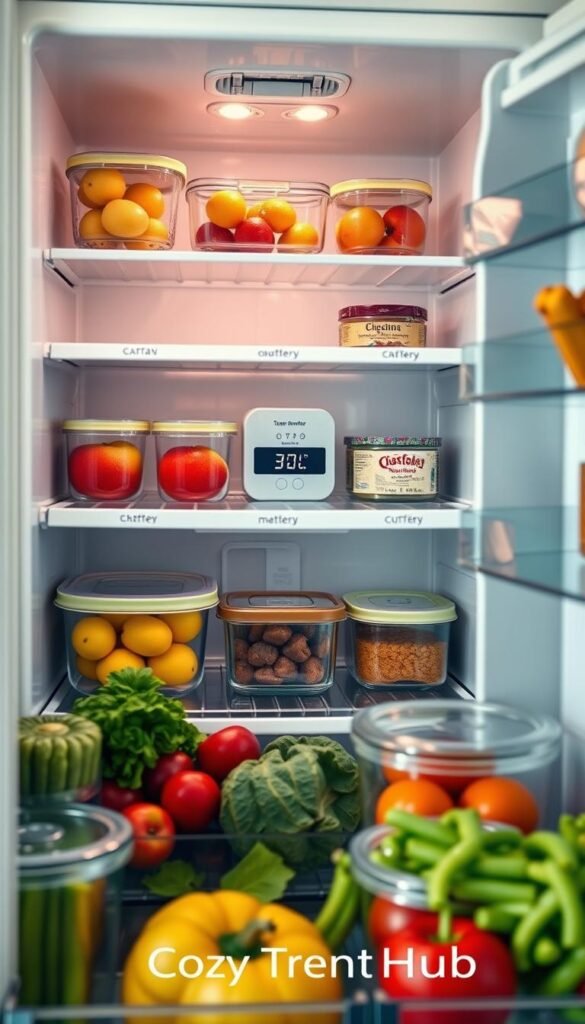
Target the right temperature
Keep the fridge at 41°F (5°C) or below. Place a visible appliance thermometer where it’s easy to read. Check after big grocery runs, seasonal heat, or a power outage. If the unit stays at 41°F or lower, foods remain safe; above that, risk increases.
Use proper shelf order to reduce cross-contamination
Arrange shelves so ready-to-eat items sit above raw proteins. This minimizes drips and contamination.
- Top: ready-to-eat foods (dairy, leftovers to eat first)
- Middle: whole cuts of beef, pork, seafood, and eggs for immediate service
- Lower middle: ground meats and tenderized items
- Bottom: all poultry and casseroles with cooked ingredients
Tip: Put a leak-resistant tray or box for raw meat on the bottom shelf to protect what’s below.
Know when to toss leftovers
Label containers with a date and rotate “eat first” items to eye level. Use these timelines as a practical guide:
| Food type | Keep for | Notes |
|---|---|---|
| Raw ground meat, whole poultry, fresh fish | Up to 2 days | Chill promptly; use or freeze |
| Soups, cooked casseroles, cooked egg dishes | Up to 4 days | Date and reheat to 165°F |
| Opened luncheon meats; salads (egg, tuna, chicken) | Up to 5 days | Keep sealed and chilled |
| Bacon, smoked sausage, fully-cooked ham | Up to 7 days | Follow package guidance |
„When in doubt, toss: unpleasant smell, discoloration, or off-flavor means it’s time to discard.“
Renter-friendly tips: Don’t block vents, avoid overpacking, and leave space for airflow. Keep a thermometer visible for quick checks. For compact systems, choose leak-resistant trays and clear boxes that support the shelf order.
For quick ideas on organizing small pantries and related compact solutions, see best pantry solutions for small spaces.
What to Look for When Buying Fridge Storage and Food Containers for Small Spaces
Measure first: the best buys fit the space you already have.
Measurement checklist:
- Width, depth, and height of each shelf and drawer.
- Door-bin clearance and whether a lip or rail blocks pull-out bins.
- Vertical space between shelves for stackable boxes and tall containers.
- Note fixed shelf positions common in rentals before ordering custom items.
Why clear, stackable boxes win: they make food visible at a glance and cut duplicate purchases. Pick one or two standard footprints (small and medium) so sets stack without wasted gaps.
Under-shelf, clip-on drawers add a bonus layer for cheese sticks, deli packs, and snacks. They clip on without tools, so they suit renters who can’t make permanent changes.
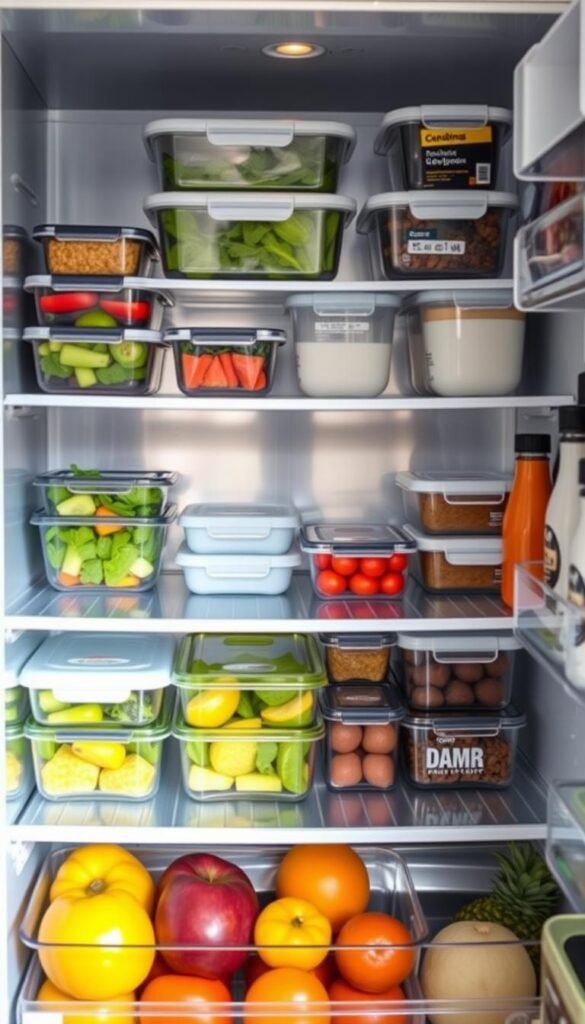
Lid types and outcomes
- Airtight: best for odor control and liquids if leak resistant.
- Vacuum-sealed: best for maximum freshness and reducing air exposure.
- Basic lidded: best for short-term organization and easy access.
Materials at a glance
- Glass: resists stains and odors; ideal for cooked leftovers.
- Plastic: light and good for snacks and kid-friendly use.
- Silicone: flexible for produce halves and odd shapes.
| Feature | Best for | Pros | Cons |
|---|---|---|---|
| Clear stackable boxes | Meal preppers, small households | Visible contents, saves shelf space, reduces duplicates | Rigid shapes may not use corners perfectly |
| Clip-on under-shelf drawers | Renters, tight shelves | Adds layer without tools; stores snacks/deli | Needs clear shelf edge; limited weight capacity |
| Vacuum-sealed containers | Odor-sensitive homes, long-term freshness | Reduces air exposure, extends life of proteins | More costly; special lids or pumps required |
| Glass airtight sets | Leftovers, reheating, stain-prone foods | Durable, non-porous, oven-safe (without lids) | Heavier; breakable if dropped |
Buying considerations: check lid design for easy cleaning, nesting ability, dishwasher safety, and whether shapes waste shelf corners. For compact, budget-friendly picks see best budget organization products.
„Choose modular sizes over many odd pieces; consistency keeps shelves tidy and makes meal prep faster.“
Best Fridge Storage Organizers to Maximize Space and Keep Foods Easy to Find
Good organizers turn clutter into clear zones for quick access and less waste. Group items by use—snacks, breakfast, meal prep, produce, and condiments—to reduce forgotten items and speed meal routines.
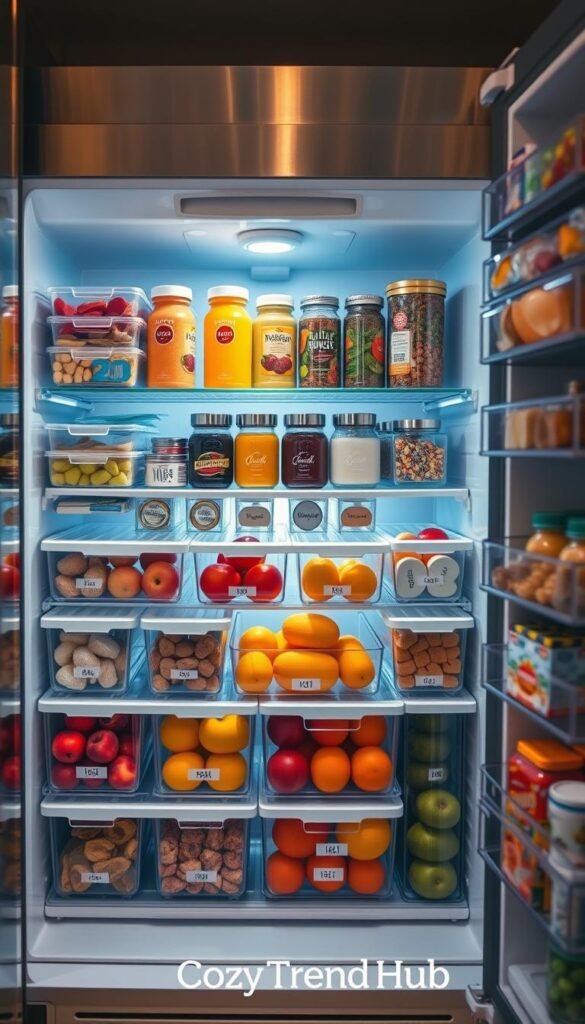
Fridge organizer bin sets
Best for renters and busy households. Clear multi-packs create grab zones without installation. Pros: visibility and easy pull-out. Cons: tall bins can waste vertical room.
Divided drawers for produce
Dividers cut bruising and make rotation simple. Use a rinse-friendly liner to boost airflow and extend shelf life. Best when buyers shop varied produce weekly.
Retractable under-shelf drawers
Clip-on drawers add a new tier on tight shelves. They hold deli packs, yogurt tubes, and cheese sticks. Pros: tool-free install. Cons: may reduce height for taller items below.
Multi-compartment boxes and herb keepers
Multi-compartment boxes stop spills and keep small items tidy. Look for secure dividers and flat lids for stacking.
Herb keepers slow wilting by giving greens controlled moisture. Pick models that rinse easily and fit either door bins or shelves.
Deep bins and space-maximizing systems
Deep “fridge store” bins corral family-size leftovers and bulk buys. They need comfortable handles and can be heavy when full.
Modular systems (think Joseph Joseph-style) improve access on deep shelves so no item gets lost. Measure first—these premium sets need the right footprint.
Planned comparison layout (for the table later): columns—Footprint, Stackability, Visibility, Renter-friendly Install, Best Use Case, Budget. Rows—Best for renters, Best for small units, Best for produce, Best budget pick.
- For curated product picks and bin ideas, see this organizer roundup.
- To compare popular Amazon options, check the top-reviewed organizers.
- For budget-friendly, renter-safe buys under $50, visit budget organizer picks.
| Pick | Footprint | Best use | Notes |
|---|---|---|---|
| Organizer bin set | Small–medium | Grab zones, snacks | Visible; may waste vertical height |
| Divided drawer | Medium | Produce | Reduces crushing; adds rotation |
| Retractable under-shelf | Narrow | Tight shelves | Clip-on; reduces clearance below |
| Modular access system | Varies | Deep shelves | Improves reach; pricier—measure first |
Best Food Containers for Leftovers, Meal Prep, and Odor Control
Choosing the right container for each job stops leaks, cuts odor, and keeps leftovers visible. The goal is fewer surprises, less mess, and more meals eaten before they spoil.
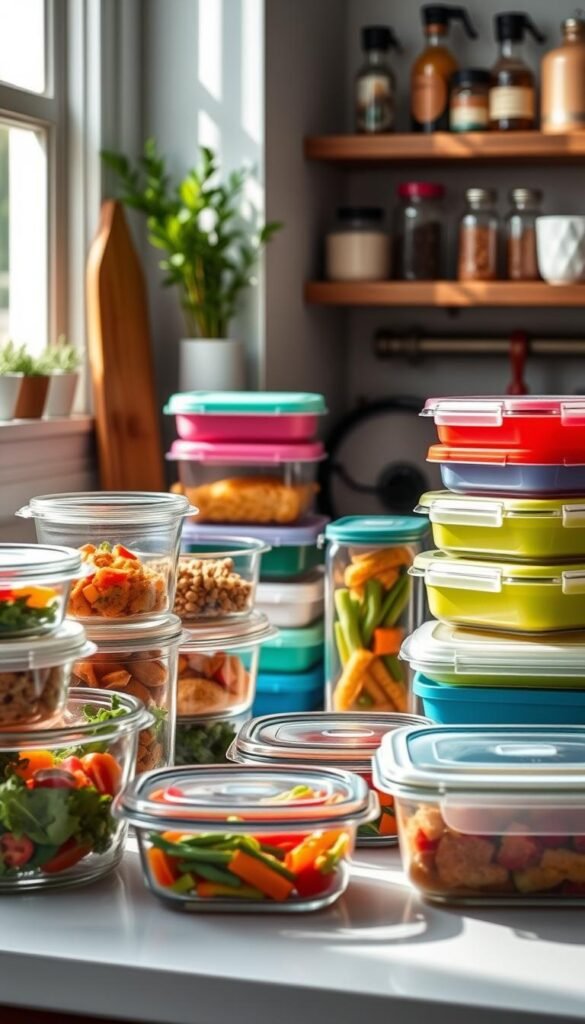
Airtight glass food containers for leftovers you actually want to eat
Best for: meal preppers and families who reheat. Pros: resists stains and odors, oven-safe without lids, and clear so foods are easy to spot. Cons: heavier and can chip; lids need careful cleaning around gaskets.
Silicone pods for avocado, onion, and tomato halves
Best for: small households and cooks who use partial produce. These pods reduce smell and slow drying. They stack and save space better than single-use wraps.
Cheese and deli meat slice boxes
Best for: snackers and larger households that open big packs. They cut oxidation and keep slices flat. Buying tip: choose a box that fits common pack widths to avoid folding.
Beeswax wraps for renter-friendly “lid” coverage
Best for: covering bowls, bread, and cheese without adding bulky boxes. Not suitable for raw meat or very wet foods that can leak.
How to match containers to foods
- Soups and sauces: leak-resistant, airtight boxes.
- Produce: airflow or silicone pods for halves.
- Ready-to-eat foods: clear containers for fast access.
- Raw meat: sealed box placed on the bottom shelf with a tray.
| Type | Best use | Key buying points |
|---|---|---|
| Airtight glass set | Leftovers, meal prep | Leak test, gasket cleaning, stackability |
| Silicone pods | Produce halves | Seal fit, flexible shape, odor control |
| Slice box | Cheese & deli | Size match, flat storage, easy access |
„Standardize container sizes so leftovers stack neatly and stay visible — you’ll eat more and waste less.“
For hands-on product comparisons and top-rated picks, see curated guides like the Wirecutter roundup, a Good Housekeeping review, and a practical list at Bon Appétit. For countertop and organization pairing, see countertop organizer ideas.
Conclusion
Wrap up with a simple path from safety checks to smart buys and weekly upkeep.
Recap the decision path: set the fridge for safety (41°F or below, shelf order), then add organizers that make foods visible and easy to reach, and finish with the right containers for leftovers and odor control.
Quick safety checklist: keep temps at or below 41°F, ready-to-eat items on top, raw poultry and meat low, and use leak-contained boxes for raw items. For full safety guidance see this FDA overview.
Buying order for small spaces: measure shelves, pick one bin footprint, add under-shelf drawers where clearance allows, then choose an airtight set for daily leftovers. For layout tips visit small-kitchen organizer ideas.
Keep the system with a 5-minute weekly reset, date-label leftovers, and an “eat first” zone at eye level. For hands-on organizing steps and safety-first ideas see practical fridge tips.