
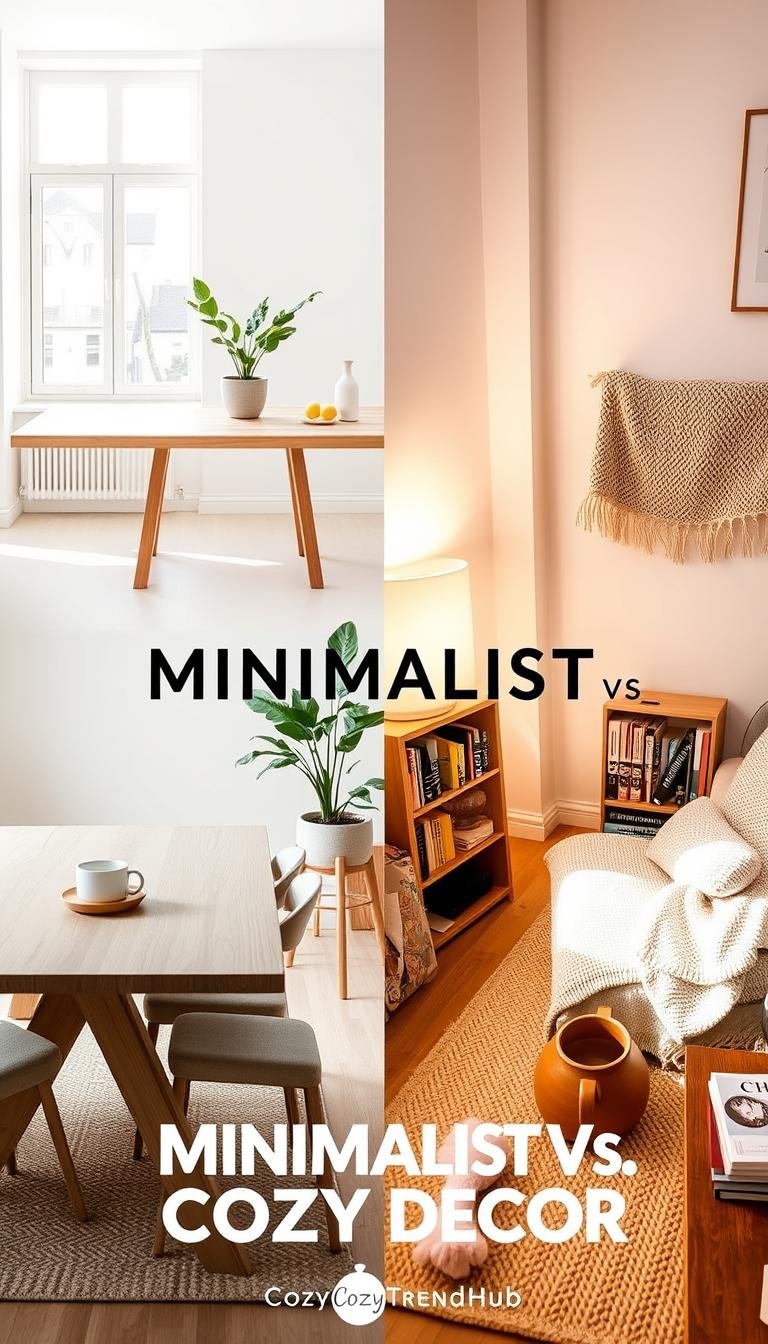
Choosing the right look starts with one clear decision: does the room need less visual noise or more warmth and texture? This guide helps readers who want a practical, buy-ready plan for their home.
Many real apartments blend both approaches. Warm minimalism keeps function and adaptability while adding earthy paints and nubby textiles to avoid a sterile feel. The result is usable rooms that still feel inviting.
This article solves common problems: clutter in small spaces, rooms that feel cold, renter limits like no-drill rules, and seasonal comfort shifts without new big furniture. It previews a product-led format: five picks from each camp with clear „best for“ notes.
Organization is simple and practical: a quick renter snapshot, side-by-side criteria, essentials to avoid extremes, then product picks with pros and cons. Expect guidance on measurements, materials, maintenance, and layout to prevent regret purchases in apartments.
Affiliate disclosure: product blocks below will include a brief disclosure near each list for transparency and compliance.
Key Takeaways
- Decide if you need less visual noise or more warmth before buying.
- Warm minimalism blends function with texture for livable simplicity.
- Recommendations focus on renter-friendly, small-space solutions.
- Product picks come with best-for notes and pros/cons for smart buying.
- Measurements, materials, and maintenance tips help avoid returns.
Minimalist vs cozy decor: what each style solves in a real home
Every apartment faces a simple design task: choose calm surfaces or add comforting layers. This section breaks the problem → solution → best for logic into clear, practical advice for renters and small spaces.
Reduce visual clutter and enlarge the room
Problem: Too many items make a small space feel crowded and chaotic.
Solution: Use storage that hides daily items and create clear sightlines so the eye can rest.
Best for: Anyone overwhelmed by mess or tight floor plans who wants a functional, breathable minimalist home.
Add warmth and texture without shrinking space
Problem: Stark rooms can feel cold or echoey even if they are tidy.
Solution: Layer textiles, warm lighting, and natural materials while editing accessories and keeping walkways clear.
Best for: People who crave softness and comfort but need to avoid a cramped look.
Warm minimalism: the middle ground for renters
Warm minimalism, or the cozy minimalist idea, lets renters keep calm surfaces while adding rugs, throws, and plants within reach.
“Enough is a decision, not an amount.”
This mindset quiets the visual roar and keeps rooms easier to live in, as fewer items make maintenance and movement simpler.
- Pros: Cleaner rooms, easier cleaning, clearer function.
- Cons: Can feel sterile without textures; collections can look cluttered if not edited.
| Style | Primary goal | Quick pros | Quick cons |
|---|---|---|---|
| Minimalist | Reduce clutter and enlarge perceived space | Simple upkeep, airy rooms | Risk of feeling cold without textures |
| Cozy | Add warmth and layered textures | Comfort, reduced echo | Can clutter surfaces if unedited |
| Warm minimalism | Balance clear surfaces with soft textures | Practical for renters, welcoming | Requires careful editing to avoid drift into clutter |
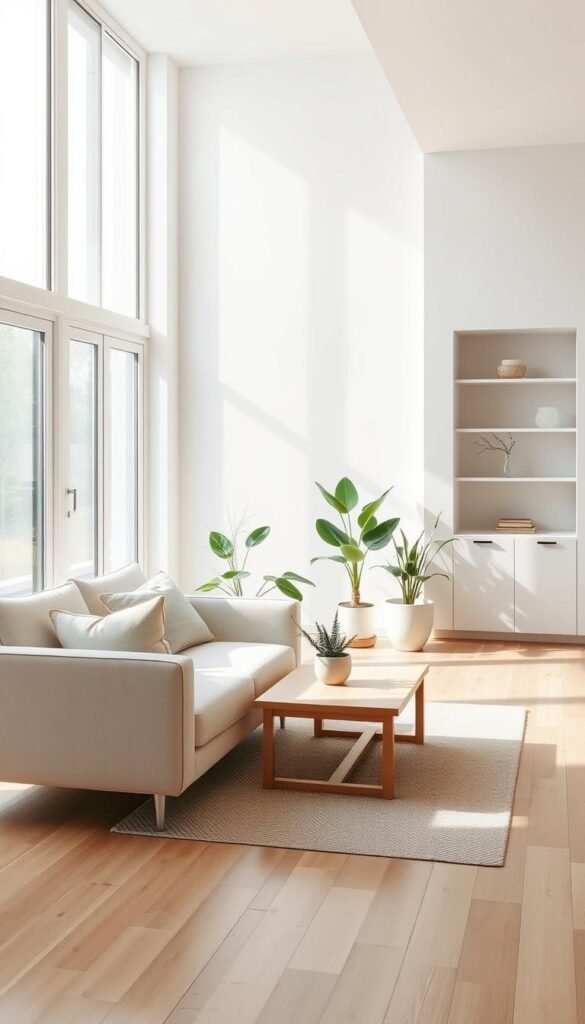
Quick style snapshot for renters and small spaces
Renters can change the whole feel of a room without a single drill or permanent wall patch. Small, practical swaps focus on light, flow, and surfaces that can move with you.
Renter-friendly walls, lighting, and furniture swaps
Fast, no-damage upgrades:
- Plug-in lamps and portable sconces to add warm light without hardwiring.
- Peel-and-stick hooks and picture strips for art that won’t harm walls.
- Floor lamps instead of replacing ceiling fixtures.
- Swap bulky pieces for storage-friendly furniture that opens floor space.
Buyer-intent order: buy lighting and a rug first, then storage, then textiles and art.
How to choose a color palette that won’t overwhelm
Start with warm neutrals. Add one controlled accent color and repeat it two to three times across the room to tie the space together. This simple color scheme keeps rooms calm and cohesive.
Using natural light and open space to keep rooms breathable
Keep windows as uncovered as privacy allows and avoid placing tall furniture that blocks light paths. Prioritize clear sightlines and walking paths before adding accessories; layout fixes a cramped room faster than more items.
| Upgrade | Where to use | Immediate effect |
|---|---|---|
| Plug-in lamps | Living room, bedroom | Add warmth and task light |
| Peel-and-stick art hooks | Any wall | Personalizes without damage |
| Low-profile storage sofa | Living areas | Clears floor and hides clutter |
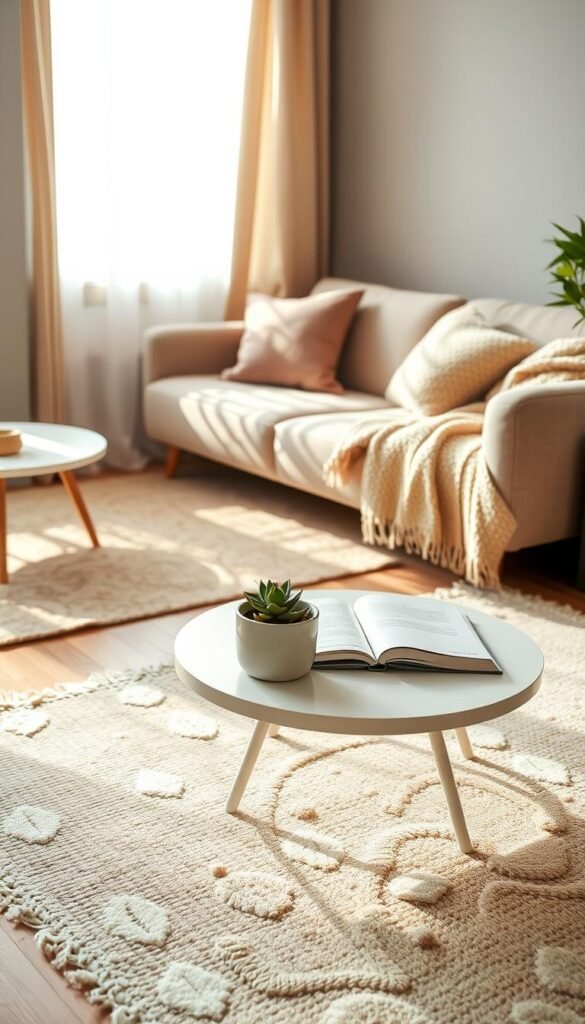
For small-space picks that prioritize comfort and scale, see this short guide to best cozy options for small spaces.
How to compare minimalist home vs cozy home in any room
A practical framework reduces second-guessing when choosing finishes and furniture. Start with four decisions that fit a small space or renter needs. Follow this checklist before buying to save time and returns.
Color approach
Minimal path: start with warm neutrals and add one accent color repeated in art and textiles. This keeps the color scheme calm without flatness.
Layered path: use several warm neutrals (cream, tan, caramel) and a small dark contrast to avoid muddiness in tight rooms.
Texture and natural materials
Pick 2–3 textures: light wood, wool, linen, and stone. These materials prevent a sterile look while staying renter-friendly and durable.
Lighting choices
Maximize uncovered windows for daytime light. Add warm bulbs for evenings and use reflective surfaces sparingly so the room feels soft, not harsh.
Furniture scale and layout
Choose clean silhouettes and keep walkways clear. Measure the seating zone so the coffee table fits without blocking flow. Smaller tables and slim-legged furniture read lighter.
Clutter control
Enough is a decision. Create focused spots for display and large restful areas for the eye. Editing items often costs less than buying more accessories.
| Decision | Minimal approach | Layered-warm approach |
|---|---|---|
| Color scheme | Neutrals + one accent | Multiple warm neutrals + small contrast |
| Textures / materials | 1–2 textures, light wood, linen | 2–3 textures, wool, stone, wood |
| Lighting | Uncovered windows, warm bulbs | Layered lamps, warm bulbs, reflective accents |
| Furniture & table | Clean silhouettes, compact coffee table | Comfortable scale, rounded coffee table fits seating |
Quick pros/cons
- Minimal approach: easy cleaning and calm visual sense; can feel flat without texture.
- Layered-warm approach: immediate comfort and depth; requires editing and storage discipline to avoid clutter.
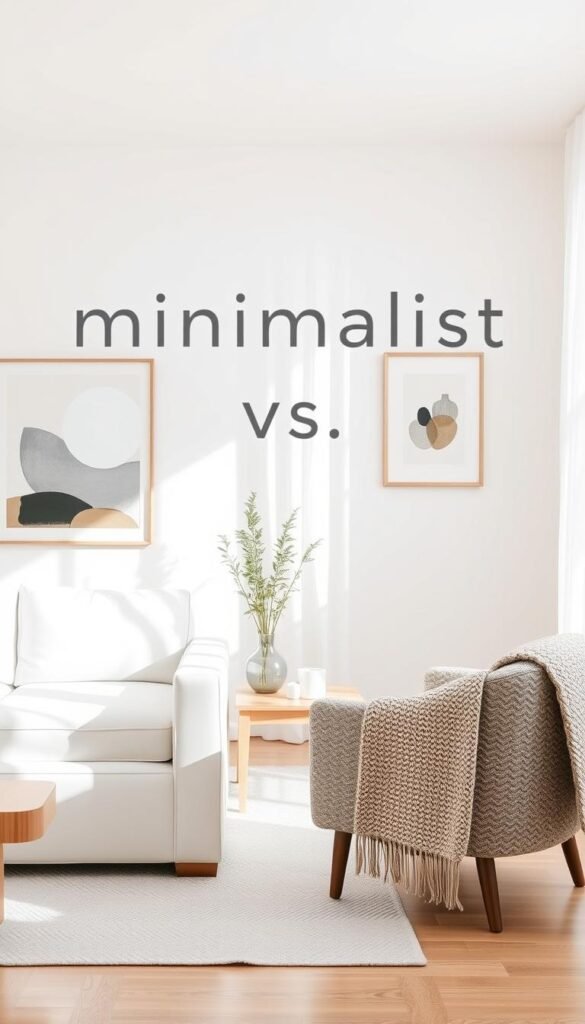
Minimalist decor essentials that don’t feel cold
A pared-back room can still feel warm when a few key choices add depth and texture.
Start with a restrained palette. Layer ivory, alabaster, and soft whites rather than stark white. This tonal approach makes a small space read calmer and softer.
Use texture instead of more stuff
Swap extra accessories for tactile pieces: linen curtains, a wool throw, or a nubby rug. These small swaps add interest without clutter.
Open shelving: buy with rules
Choose shelves only if storage needs are predictable. Pick deeper units that fit plates or baskets. Commit to quick editing so shelves stay curated, not messy.
One organic statement piece
Add one warm object—a turned wood bowl, sculptural ceramic, or a branch arrangement—to soften clean lines and anchor artwork or glass surfaces.
“Enough is a decision, not an amount.”
| Issue | Fix | Buyer intent |
|---|---|---|
| Cold, sterile rooms | Tonal layering + natural textures | Look for ivory textiles, wool throws |
| Cluttered surfaces | Limit accessories, use baskets | Buy deep shelves or closed storage |
| Maintenance | Routine editing for open shelving | Choose washable fabrics and stable finishes |
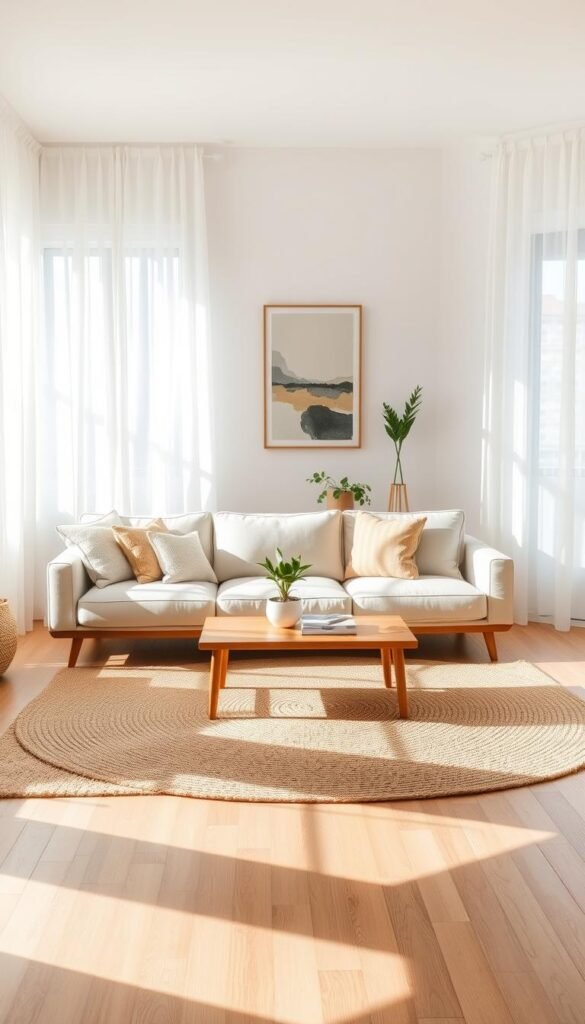
For practical shopping ideas and room-specific picks, see the best minimalist living room picks.
Cozy decor essentials that don’t look cluttered
A focused approach to fabrics and natural accents keeps a space inviting while preventing visual overload.
Best for: homes that feel echoey, stark, or cold—especially during fall and winter when extra comfort matters.

Layered textiles: throws, pillows, and rugs that add warmth without taking over
Use a simple formula for small rooms: one area rug to anchor, 1–2 pillows per seat, and one throw per seating zone.
This keeps the space warm and controlled. Pick linen or wool textures over bright patterns to maintain a calm look.
Grounding with natural materials like wood and wicker for lived-in comfort
Introduce low-profile wood accents and wicker baskets as texture without bulk.
These materials add visual warmth and improve sound absorption while keeping floors and sightlines clear.
Editing the “tchotchkes” problem: showcasing a few pieces with impact
Limit displayed items to three focal moments: one tray vignette, one shelf grouping, and one wall art piece.
Store the rest so surfaces stay intentional. This rule reduces clutter and highlights meaningful objects.
- Pros: more comfort, better sound control, welcoming living areas.
- Cons: textiles need washing and editing; improper storage leads to visual clutter.
| Issue | Fix | Quick tip |
|---|---|---|
| Room feels cold | Layer rug + throw + warm bulbs | Swap throws seasonally |
| Too many small items | Showcase 3 impactful pieces | Rotate stored pieces monthly |
| Echo or harsh sound | Add pillows and a plush rug | Choose natural materials for texture |
“Minimalism isn’t about removing things you love…”, Joshua Becker
Best minimalist picks for a clean, calm look
Smart furniture solves daily clutter without changing the room’s character. The list below focuses on pieces that work in small spaces and apartments. Each item notes who it helps, the daily problem it fixes, quick pros and cons, renter notes, and what to measure before buying.
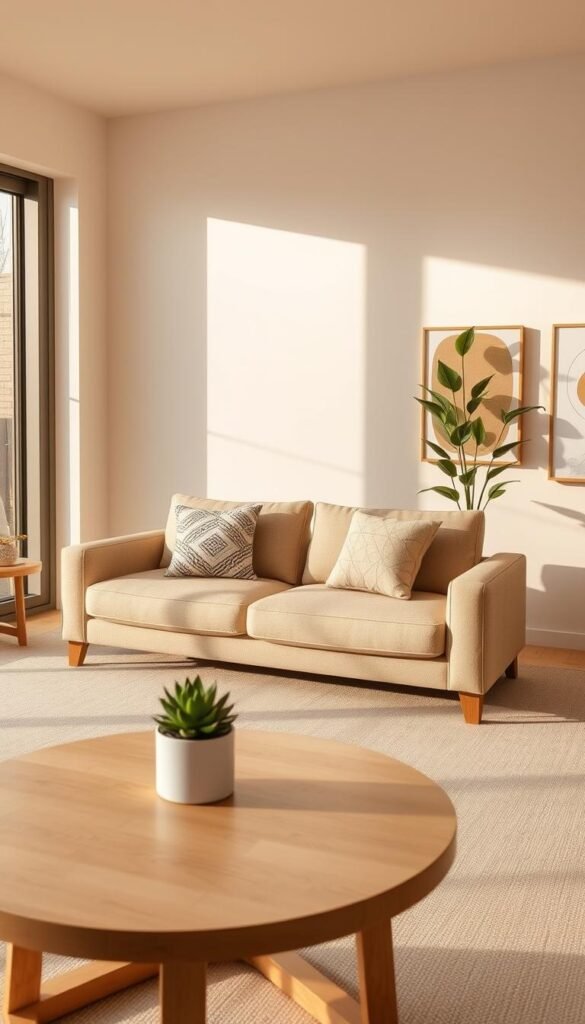
Flat-panel storage furniture
Best for: small living room clutter control.
Solves: hides toys, cables, and media for cleaner sightlines.
Pros: tidy look, hidden storage. Cons: needs ventilation and cord planning.
Measure first: unit depth and TV clearance. Renter note: pick freestanding bases, not built-ins.
Tulip or pedestal table
Best for: tight dining and entryway spaces.
Solves: pinched walkways from corner legs.
Pros: easier chair placement. Cons: base size and wobble risk—check base diameter and tabletop thickness.
Steel-and-glass or deep open shelving
Best for: kitchens that feel visually heavy.
Solves: removes upper-cabinet bulk for an airier look.
Pros: light, glass finish reads open. Cons: visible dishes require upkeep; choose deep shelves only if you’ll keep them tidy.
Platform bed / low-profile frame
Best for: a small bedroom that needs visual breathing room.
Solves: the “shrunk” feeling from tall frames.
Pros: larger perceived ceiling height. Cons: less under-bed storage—measure clearance needs first.
Plug-in sconces & portable table lamps
Best for: renters who need better light without rewiring.
Solves: dark corners and harsh overhead light.
Pros: no-drill options, flexible placement. Cons: visible cords—plan outlet locations and cord covers.
| Pick | Best for | Key benefit | Measure first |
|---|---|---|---|
| Flat-panel storage | Living room | Hides media & cords | Depth, ventilation, TV width |
| Tulip / pedestal table | Dining / foyer | Improves flow | Base diameter, tabletop thickness |
| Steel & glass shelving | Kitchen | Airy visual weight | Shelf depth, wall studs (anchor plan) |
| Platform bed | Bedroom | Lowers visual weight | Frame height, mattress thickness |
| Plug-in sconces / lamps | Any room | Renter-friendly lighting | Outlet placement, cord path |
For compact, stylish solutions that keep a home calm, see the best aesthetic picks for small spaces.
Best cozy picks for warmth, texture, and comfort
Targeted soft goods and accents make a room feel lived-in fast. These five items work well for renters and small spaces. They pack away easily and refresh a space without painting or big furniture swaps.
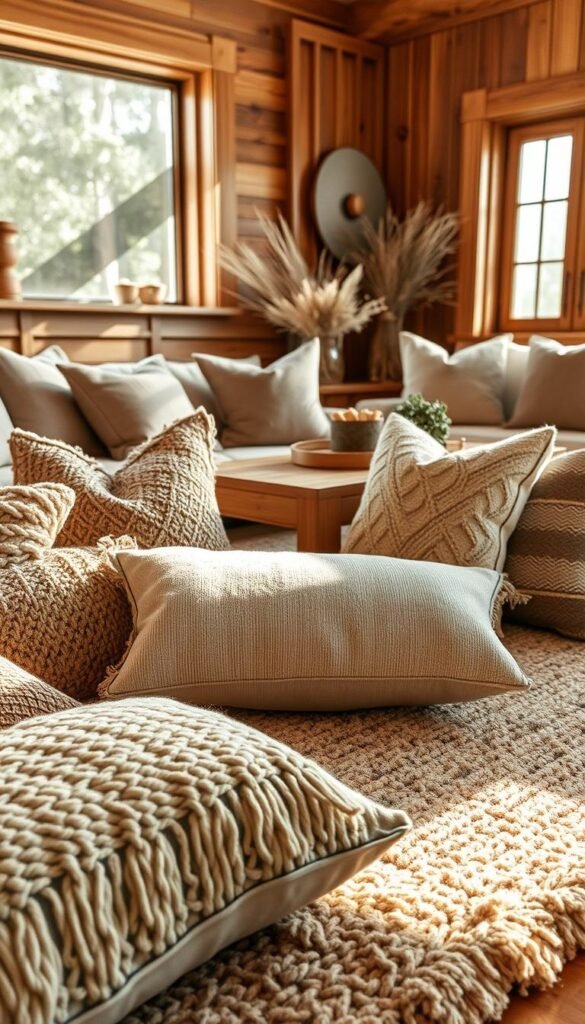
Textured neutral throw
Best for: sofas or bed corners that read flat.
Solves: cold seating and adds instant warmth. Pros: seasonal swap friendly; stores easily. Cons: possible shedding—check care labels before buying.
Linen or wool pillow covers
Best for: seats that need softness without loud color. Solves: stiff upholstery. Pros: durable texture, subtle depth. Cons: some find pure wool scratchy—try blends.
Area rug (jute or plush)
Best for: open-plan rooms with echo. Solves: floating furniture and sound issues. Pros: defines the seating zone. Cons: cleaning varies—jute stains, plush needs vacuuming; choose by pet and spill risk.
Warm wood accents
Best for: rooms with stark walls or lots of glass. Solves: hard-surface coldness with minimal footprint. Pros: adds organic tone. Cons: tone-matching—repeat one wood tone for cohesion.
Easy-care greenery
Best for: both minimalist and layered rooms. Solves: lifeless corners and flat artwork walls. Pros: visual softness and life. Cons: match plant type to light and watering ability.
For renter-friendly living room ideas and practical styling, see this short guide to cozy living room ideas.
Room-by-room: minimalist vs cozy decor in the spaces you actually use
This short room guide shows a few focused moves that change daily usability. Each entry lists a first change, a clear “do this, not that” cue, and a renter-friendly note so readers can act fast.
Living room
First change: clear the coffee table and add one storage tray.
Do this: keep the surface mostly empty and use a single tray for essentials. Do not: layer small objects that create visual clutter.
Renter note: choose freestanding storage that slides under a couch to hide extras.
Bedroom
First change: layer neutral bedding and remove extra decor from dressers.
Do this: add a textured throw and one pillow for the bed to warm the space. Do not: overcrowd nightstands with unread books and knickknacks.
Renter note: use removable hooks for bedside lights instead of drilling.
Kitchen
First change: keep most countertops bare and create one styled corner.
Do this: leave prep areas clear; style a single shelf or corner with matching dishes. Do not: display mismatched plates on open shelves if the household is busy.
Renter note: deep, curated open shelving works best—otherwise use closed storage.
Bathroom
First change: add a nubby rug and one framed piece of art.
Do this: pair a black-and-white base with warm wood accents and a green plant. Do not: overcrowd the vanity with products and small containers.
Dining
First change: pull the table away from walls to create space around it.
Do this: use a grounding rug and a simple greenery centerpiece under natural light. Do not: cram extra chairs or bulky furniture close to the table.
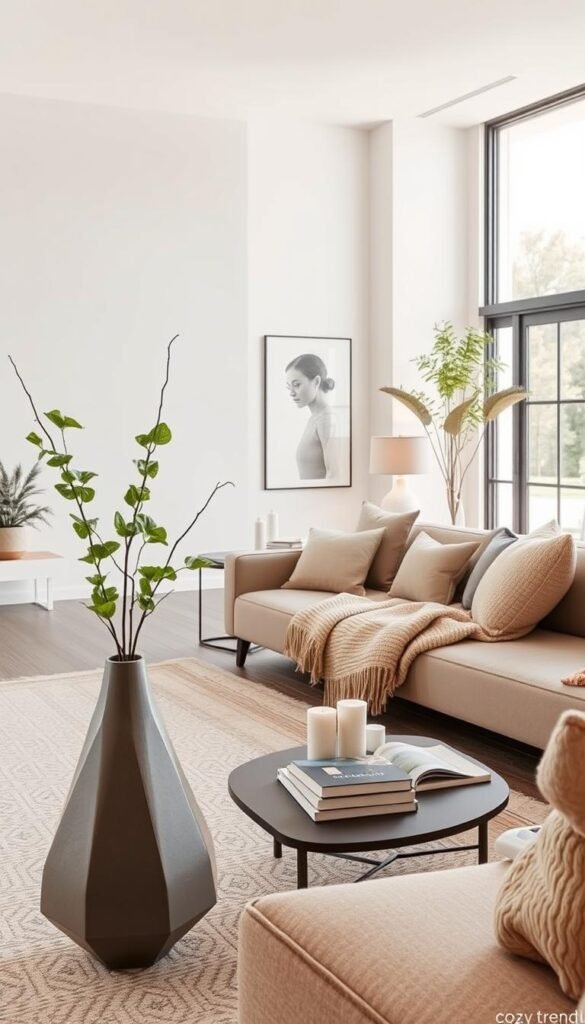
Want more depth? For practical inspiration on mixing warmth and restraint in real rooms, see an essay on the approach at When You’re a Cozy Minimalist and shopping ideas at best minimalist home decor.
Buying considerations before you choose a style (especially for rentals)
Before buying anything, confirm the measurements and upkeep you’ll live with for the next home. This reduces returns and keeps small spaces functional. The checklist below focuses on size, durability, renter limits, and seasonal flexibility.
Measure first: table, rug, and furniture proportions
Confirm walkway clearance: leave at least 24–30 inches for main paths. Measure room width and plan table placement so chairs can pull out without hitting walls.
Choose a rug that anchors seating; the rug should fit under front legs of furniture, not float randomly in the middle.
Material checklist: linen, wool, wood, and stone
Good long-term choices: linen and wool for textiles, wood for warmth, and stone-like surfaces for durability. Each adds texture without extra visual clutter.
Maintenance reality: upholstery, rugs, and open shelving
Light upholstery shows wear; pick washable slipcovers if possible. Plush rugs need frequent vacuuming; jute stains easily. Open shelving demands regular dusting and editing to stay tidy.
Seasonal strategy: rotate textiles and lighting
Rotate throws and pillow covers to shift mood by season. Swap bulb temperature to warmer tones in fall and winter for instant coziness without new furniture.
Wall and lighting solutions that won’t damage rentals
Use removable hooks and strips for art. Choose plug-in fixtures and plan cord routes with covers. Keep all wall changes reversible and document placements for move-out.
| Decision | Buyer’s intent | Quick pro | Quick con |
|---|---|---|---|
| Invest in fewer basics | Durable sofa, quality table | Lasts across moves | Higher upfront cost |
| Many small accessories | Quick seasonal looks | Lower per-item price | Creates clutter, less durable |
| Open shelving | Display vs storage | Airy look | Needs curation and depth |
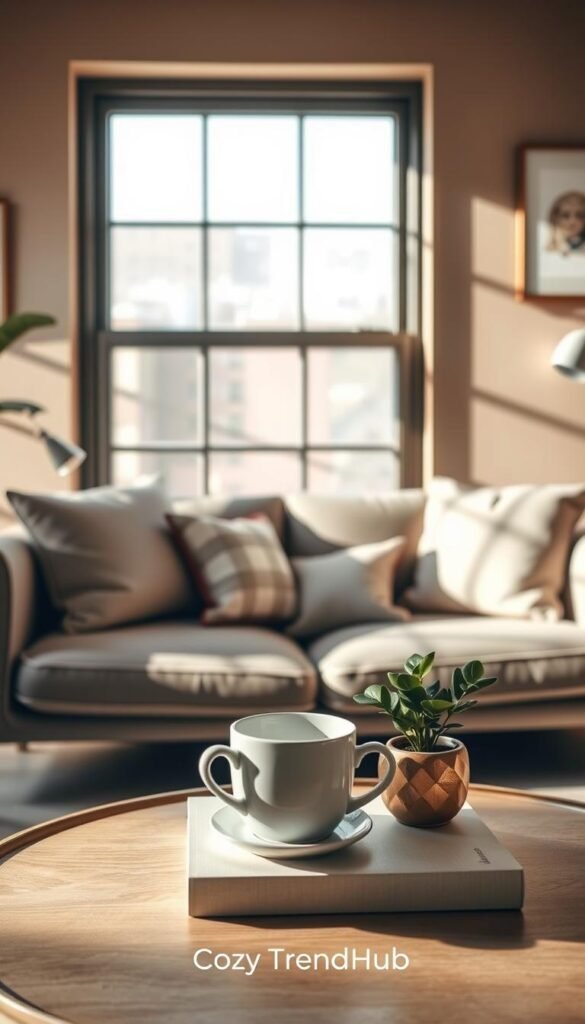
For renter-specific advice on style choices and practical purchases, see this guide to rental-friendly styles and a breakdown of design approaches at interior design styles. For bedroom sizing notes, check the bedroom sizing and picks guide.
Conclusion
Decide which issue matters most in your space—then let that guide your design choices.
Choose minimalist design when clutter and tight flow are the problem. Choose a warmer look when a room feels cold or echoey. Choose warm minimalism when both need fixing.
Quick checklist: control the color palette, pick two textures or materials, set lighting temperature, scale furniture to the room, and define clutter boundaries. Start here: buy one anchor piece (storage, rug, or lighting), add one texture layer (linen or wool), then finish with one intentional art piece or greenery.
For renters, prioritize reversible walls and plug-in lighting, then portable furniture and textiles. Avoid too many small accessories, undisciplined open shelves, and oversized tables or rugs that choke the living space.
Compare the final table and use the affiliate recap blocks to „Shop the 5 minimalist picks“ and „Shop the 5 cozy picks.“ For cozy minimalist living room ideas, see cozy minimalist living room ideas.
“Minimalism isn’t about removing things you love. It’s about removing the things that distract you from the things you love.” — Joshua Becker