
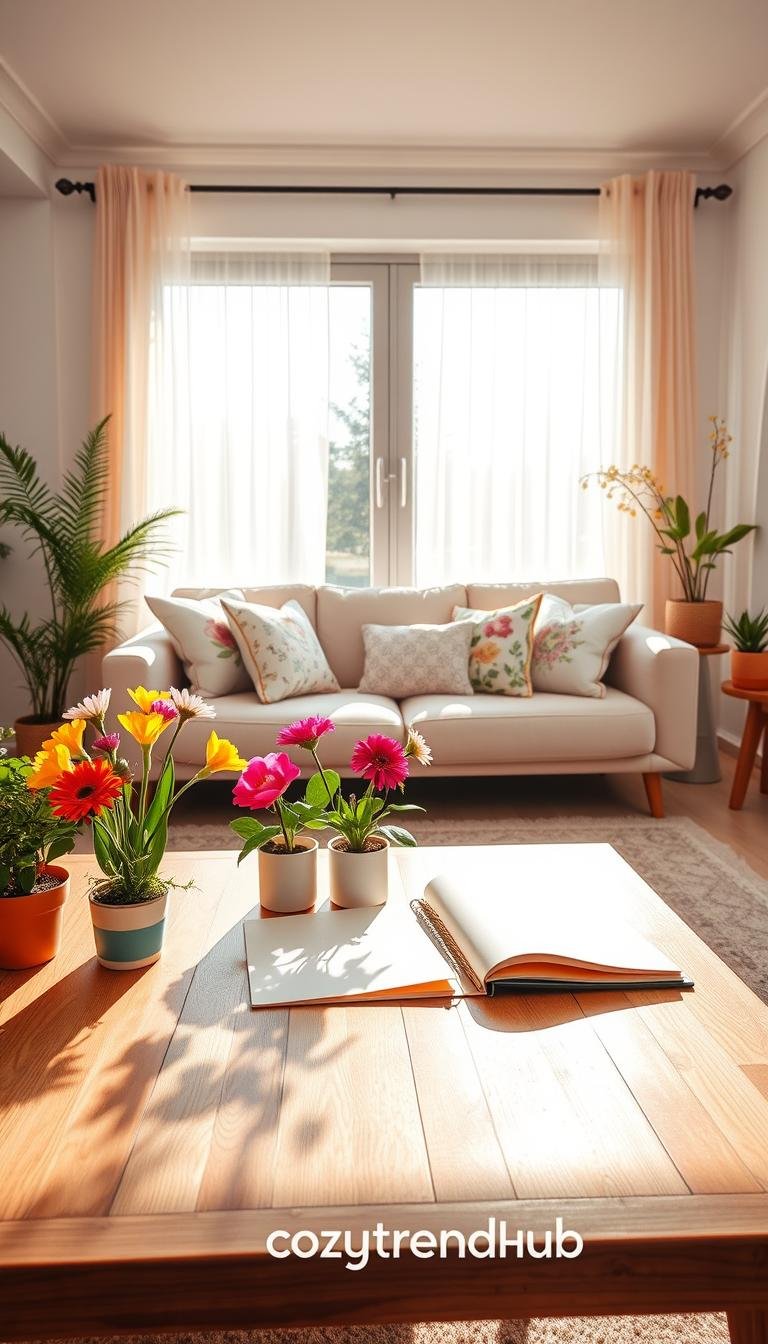
Problem: Rooms that held on to winter can feel heavy, dark, and visually stuck. Many renters and small-space dwellers want quick, renter-friendly ways to refresh without paint, nails, or bulky storage.
Solution: This guide pairs five quick swaps you can do in minutes with five one- to two-day weekend projects. Each update is chosen to change light, color, texture, or scent while keeping clutter low.
Readers will find clear notes on who benefits most from each idea, what to buy and what to skip, and simple storage tips for rentals. The plan begins with a home edit—shop your space first—then adds targeted buys for the season to improve selection and value.
How to use it: Do one reset step, pick 1–2 quick updates, and add a weekend project if time allows. Later sections compare fresh vs. faux, DIY vs. ready-made, and vase shapes so readers can decide with confidence.
Key Takeaways
- Start by editing what you already own; small swaps make a big impact.
- Quick updates take minutes; weekend projects take 1–2 days.
- Each tip lists „best for,“ buy vs. skip, and renter-safe notes.
- Mix one reset, a couple quick swaps, and one project for a balanced refresh.
- The guide includes comparisons to help choose fresh, faux, DIY, or store-bought options.
Fast spring refresh, real-life constraints, and what to buy (or skip)
Start with real limits: renters, small storage, and short weekends shape the choices here.
Common constraints in many homes include tiny closets, shared living areas, tight schedules, and leases that ban holes or paint. These limits steer toward surface changes and portable pieces that don’t require tools or permanent alterations.
What makes a room feel winter-heavy? Dark textiles, bulky throws, dense color palettes, and crowded surfaces add weight. Identifying those elements makes swaps easier and more targeted.
Solution strategy: choose small, high-impact swaps that change light, color, texture, and scent. Swap heavy fabrics for lighter covers, add a simple vase of blooms, clear one surface, or update towels and lampshades to lift a room’s look without big purchases.
What to buy vs. skip: prioritize washable slipcovers, neutral bases, reusable vases and trays, and items that stack or nest for storage. Skip single-use novelty pieces or large statement items that are hard to store or won’t be useful after a month.
- Selection criteria: renter-safe, small footprint, easy to clean, easy to store flat or nested, and useful beyond one month.
- Look for value and reusability over seasonal gimmicks.
Later comparisons will show fresh vs. faux flowers, glass vs. ceramic vases, and DIY vs. ready-made projects to help readers pick the best route for their space.
For a practical shopping mix that suits small homes, see this quick guide: best spring mix.
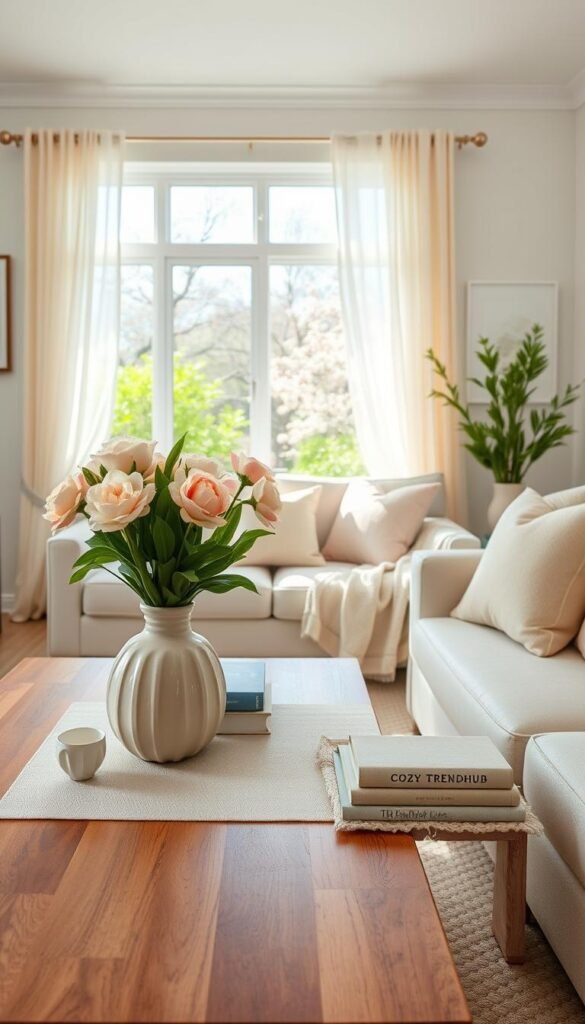
Quick reset before decorating: “quiet the room” to avoid clutter
A quick surface reset makes decorating more intentional and stops impulse buys in their tracks.
Quiet the room means clearing surfaces you doubt to see the space anew. Remove items from a coffee table, console, and nightstand. Wipe each surface clean. This small step makes cleaning easier and shows what the room really needs.
This approach works best for small apartments, busy households, and renters who can’t mount permanent pieces. It keeps high-use surfaces functional and prevents seasonal items from spreading across the whole room.
How to reset in three clear steps
- Empty: take everything off one surface at a time.
- Clean: dust and wipe to reveal the blank canvas.
- Add back: keep only 2–3 supportive items that add a touch of seasonal style.
Buying payoff: when surfaces are bare, gaps become obvious. Shoppers buy fewer impulse items because the room shows whether it needs a tray, a single vase, or a new lamp. That saves money and storage space later.
Create one or two vignette zones
Pick controlled spots — a living-room coffee table and an entry console, for example. Each vignette should have:
- one vertical element (branches or a floral stem),
- one grounding element (a tray or stacked books),
- one sensory item (a candle or diffuser).
Storage benefit: limiting accents to zones means fewer seasonal items to pack away when the season ends. It keeps most surfaces useful and the room feeling calm.
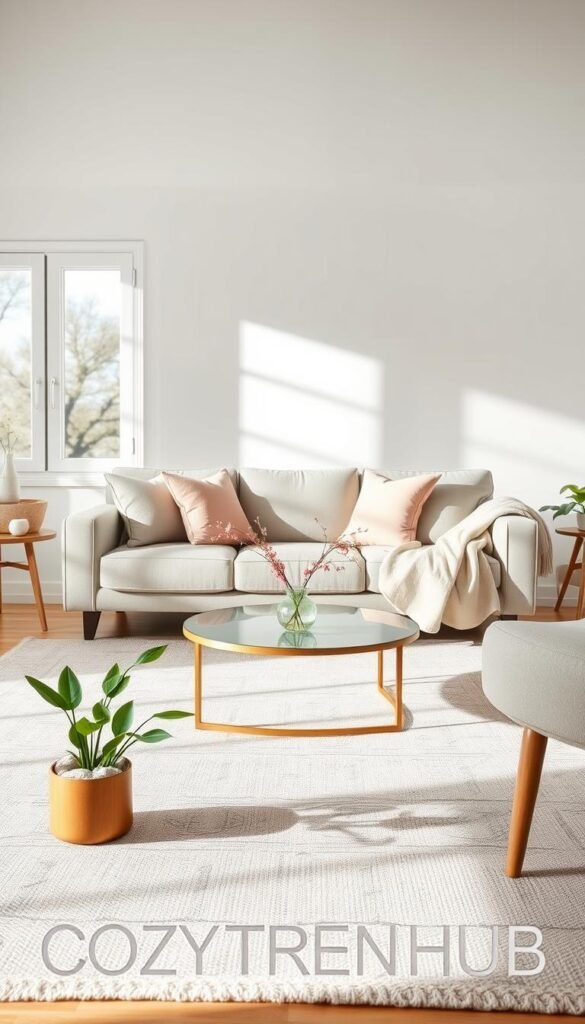
Fast Update: Swap pillows, throws, and curtains for lighter spring texture
Textiles are an easy, reversible way to brighten a living room without painting or drilling. Swapping covers and lighter layers changes color and feels quickly. This works well for renters and small-space residents who need nonpermanent solutions.

Best for renters and apartments
Why it helps: Heavy winter blankets and dark pillows keep a room looking closed-in. New covers and breathable throws lift the mood without landlord approval. Store extras in compressible bags when not needed.
What to buy and what to skip
- Buy: linen or cotton covers, removable washable inserts, woven throws, and sheer or light-filtering curtains.
- Skip: single-season novelty pieces, oversized inserts that take too much storage space, and dry-clean-only fabrics.
Pros, cons, and shopping tips
Pros: High impact, reversible, and easy to mix with existing home decor. Prioritize covers from a store that offers easy returns.
Cons: Laundry and storage are required. Use vacuum bags and pick washable fabrics to cut maintenance time.
| Material | Look | Care |
|---|---|---|
| Linen | Textured, airy | Machine wash gentle |
| Cotton | Soft, versatile | Easy wash |
| Blends | Durable, budget-friendly | Check label |
Fast Update: Fresh or faux flowers that look intentional (not fussy)
Flowers and branches add immediate height and color, rescuing rooms that still feel flat after a reset. A single arrangement serves as the room’s main seasonal piece without cluttering surfaces.

Budget path: grocery store bouquets—tulips, daffodils, and hydrangeas—offer value. Trim stems, remove lower leaves, and use one good vase so the arrangement looks finished. Avoid overfilling; less looks intentional.
Who should choose faux
Faux florals suit travelers, pet owners, or busy households. Quality peonies or cherry blossoms last the season and store flat.
- Vase buying tips: pick a narrow neck and stable base to prevent droop and tipping. Choose glass or ceramic that cleans easily.
- Renter note: one vase in a vignette zone acts as the seasonal focal point without adding lots of small pieces.
| Choice | Cost over season | Maintenance |
|---|---|---|
| Fresh flowers | Low-start, repeats weekly | Water changes, trimming |
| Faux stems/branches | Higher up front, reusable | Occasional dusting |
| Branches only | Moderate | Check for pests, trim |
Pros/cons: fresh flowers look and smell great but need care. Faux saves time and storage space but can appear shiny if low quality. What to skip: multiple small vases or unstable tall pieces in busy areas.
For a quick shopping mix that pairs well with these ideas, see the best spring mix.
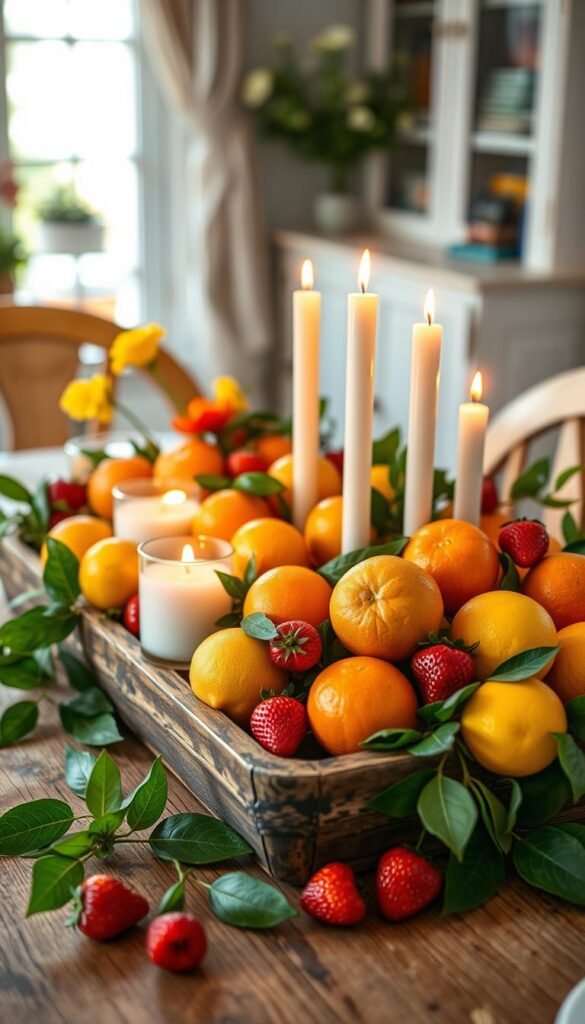
Fast Update: Centerpieces using everyday items (fruit, candles, trays)
Tables often become catchalls; a simple centerpiece brings order and intention back to the room.
Best for dining table, coffee table, and kitchen island placement. One composed object anchors an open-plan home and keeps surfaces usable.
Easy formulas to copy:
- Citrus bowl: a shallow bowl with lemons or limes for color and low fuss.
- Tulips in glass: a clear vase with trimmed grocery-store stems for height and freshness.
- Candle trio on a tray: three candles in wood or ceramic holders on a neutral tray for warmth and scent.
Buyer guidance: start with a neutral tray or bowl that fits the table. A stable candleholder or clear vase is the next useful buy.
Pros and cons: fruit is bright and cheap but will spoil. Faux fillers store well but need dusting. Candles add scent and ambiance but demand a heat-safe surface and attention.
| Material | Look | Care |
|---|---|---|
| Wood tray | Warm, natural | Wipe clean |
| Ceramic bowl | Neutral, polished | Washable |
| Rattan tray | Textured, casual | Dust and spot-clean |
Skip oversized centerpieces that block sightlines or too many tiny items you must move before meals. For more practical table ideas, see table ideas.
Fast Update: Rearrange and repurpose what you already own
A few deliberate swaps—move the couch, swap a side table—can change how a room flows without spending a dollar.
Many people want a seasonal lift without buying more things. The problem: budgets and limited storage make extra purchases a pain.
Furniture audit for better flow
Identify one bottleneck: a tight walkway or a dark corner. Move a chair, shift a rug, or angle the couch to open sightlines and let light travel farther.
Repurpose small pieces for new vignettes
Stack books to add height. Use a basket to corral throws. Move a tray from bedroom to living room to make an instant tabletop focal point.

When to buy one small accent
Decision rule: buy only if it fills a functional gap—containment (tray), storage (basket), or stability (small side table). Otherwise, repurpose existing pieces.
- Pros: zero-cost refresh and renter-safe changes.
- Cons: may reveal the need for one anchor item to make the style feel finished.
| Choice | Best use | Why pick it |
|---|---|---|
| Basket | Hide throws/cords | Soft storage, flexible |
| Tray | Corral surface clutter | Makes vignettes look intentional |
| Book stack | Add height | Free, adjustable |
Fast Update: Swap art and tabletop prints for spring (renter-safe)
Swap tabletop prints to refresh a room’s story without drilling holes or hauling boxes. This renter-first move keeps walls untouched and reduces seasonal storage needs.
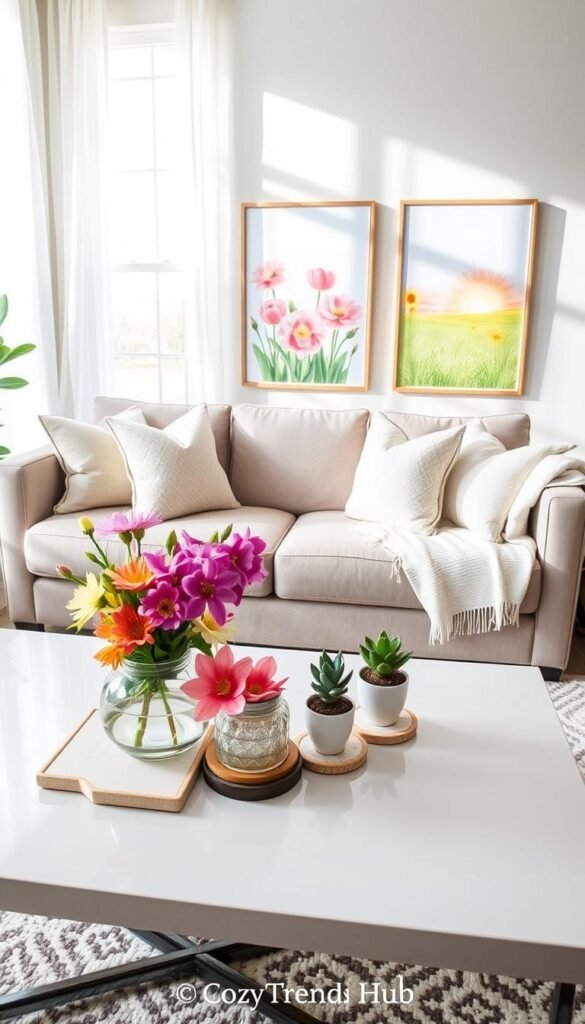
Why it helps: Renters often avoid wall holes and oversized seasonal signs that create storage headaches. Countertop frames and leaning prints update the look while staying portable.
Countertop printables and frame choices
What to buy: a small set of matching frames (two sizes is enough), archival printable packs, and non-slip pads for stability. Choose heavier frames or metal options to prevent tipping.
Style tips and what to skip
- Choose botanical sketches, nature motifs, or simple black-and-white prints to read seasonal without feeling themed.
- Skip oversized signs that need hooks and prints with highly specific phrases that feel dated in weeks.
Who benefits most
Best for renters, small-space dwellers, and anyone who wants an easy seasonal touch without extra clutter. One framed print in a vignette can be enough.
| Feature | Wood Frame | Metal Frame |
|---|---|---|
| Look | Warm, classic | Sleek, modern |
| Matting | With mat: gallery feel | No mat: minimal look |
| Placement | Tabletop/leaning | Tabletop/leaning |
Quick note: Buy printable packs that match multiple rooms and store files flat. That keeps your home spring-ready and easy to restyle.
spring decor fast shopping guide for small spaces and seasonal storage
Smart buying reduces clutter and keeps a small space feeling open and intentional all season.
Problem: seasonal shopping often fills closets with single-use items that don’t store well in a tiny space. Prioritize pieces that nest, stack, or fold.
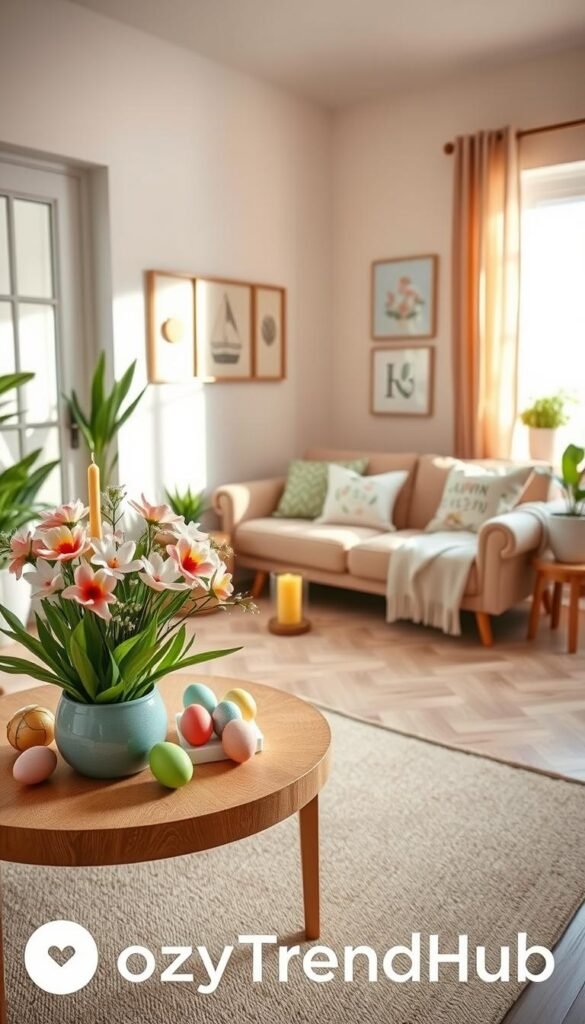
Materials that read fresh
Choose: rattan trays, woven baskets, light woods, and simple glass or ceramic vases. These textures add natural texture while working beyond one season.
Color strategy
Keep larger bases neutral—trays, pillow covers, and baskets. Add small pops of color with pillows, stems, or candles in greens, blues, or rose tones.
Where to shop (US)
- Check big-box seasonal aisles (Target, HomeGoods, TJ Maxx) for staples.
- Thrift stores for unique vases and trays.
- Order online for exact sizes and color matches.
Buying checklist & buy vs. skip
- Nesting/stacking: buy; bulky single-use items: skip.
- Wipeable finishes and washable textiles: buy.
- Fragile novelty pieces that store poorly: skip.
| Material | Care | Storage |
|---|---|---|
| Rattan | Dust, avoid soaking | Nests or stacks flat |
| Light wood | Wipe clean | Stackable or thin |
| Ceramic/Glass | Washable | Wrap & store safely |
Affiliate-ready categories: tray, basket, vase, pillow covers, candleholders, removable hooks.
Weekend Project: Make or buy a spring wreath that fits your door rules
An entry wreath solves a neglected exterior without adding indoor clutter or permanent hardware. This project suits renters, patio doors, balconies, and anyone who wants high-visibility impact with little storage need.

What to buy and why
- Base: 16–20″ grapevine for light weight; choose foam only if you need pinned stems.
- Fasteners: floral wire (more forgiving) or zip ties for sturdy holds.
- Greenery: faux garland or stems for low maintenance; add one focal cluster rather than many pieces.
- Hanging: removable outdoor hooks rated for the weight and sun exposure.
Simple build steps
- Layer greenery on the base and secure with wire.
- Add 2–3 focal stems for balance.
- Finish with a small bow or leave clean for a modern look.
Quick comparison
| Choice | Cost | Time | Storage |
|---|---|---|---|
| DIY | Lower | 1–3 hrs | Compact |
| Ready-made | Higher | Minimal | Bulkier |
| Grapevine base | Light | Easy to hang | Holds wire well |
| Foam base | Light–moderate | Easier pinning | Can be bulky |
Skip oversized wreaths that hit the frame or heavy pieces that need permanent hooks. For more curated options and inspiration, see unique spring wreaths.
Weekend Project: Refresh your porch or patio with container gardens
A small entry, balcony, or porch can feel overlooked after winter. Pots and planters bring quick curb appeal without digging or permanent work.
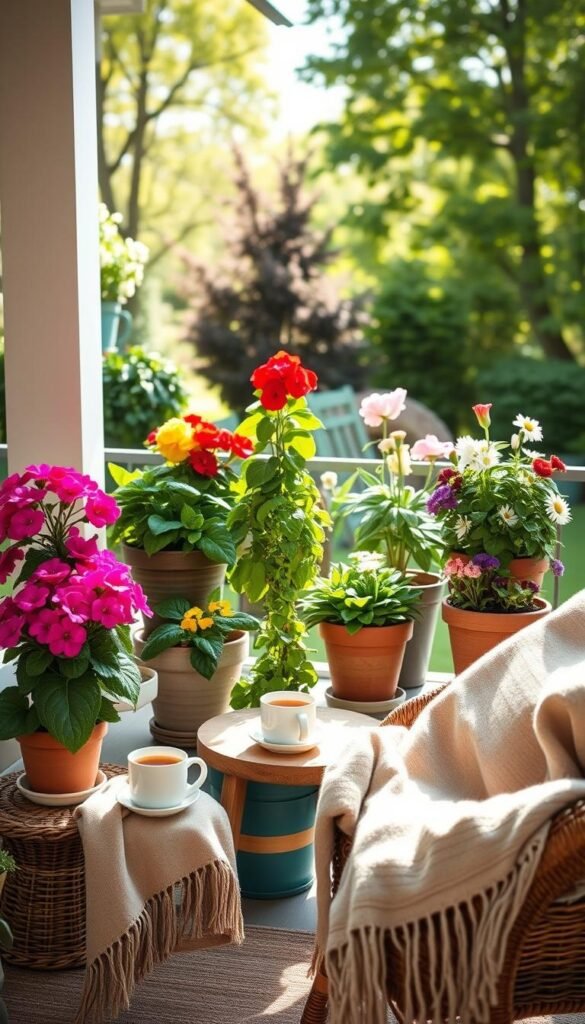
Who benefits: renters, apartment patios, and small-porch homes that need portable green solutions. Containers scale to any space and move with sun or shade.
What to buy and why
- Planters with drainage: avoid waterlogged roots.
- Quality potting mix made for containers.
- A small watering can and saucers to protect decking.
- A compact outdoor rug to define the spot.
Planting and care tips
Mix one taller plant, one filler, and one trailing option for layered interest. Add herbs if function matters—basil or mint fit small pots.
| Planter | Weight | Durability |
|---|---|---|
| Plastic | Light | Budget, weather-proof |
| Ceramic | Heavy | Stable, can chip |
| Resin | Moderate | Durable, looks like ceramic |
Pros: high impact, functional, and improves entryway feel with real plants and colorful flowers. Cons: watering routine and seasonal cleanup; faux outdoor greens save time but lack the scent and life of real growth.
Weekend Project: Start a kitchen garden for spring cooking (even indoors)
A small countertop herb station turns unused counter space into a useful, living accent for weekly cooking. It keeps fresh flavors at hand and doubles as subtle home decor.
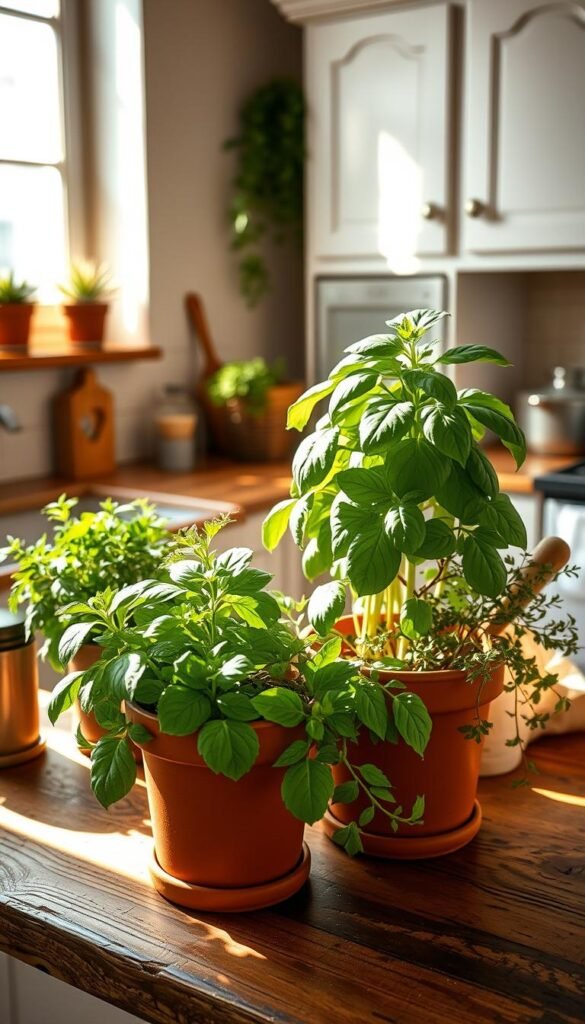
Best for
Kitchens with limited light and renters who want a functional green corner. This setup fits a narrow ledge, windowsill, or compact shelf without permanent changes.
What to grow
- Basil — great for summer sauces.
- Parsley — long-lasting and versatile.
- Chives — small footprint, fast harvests.
- Mint — use cautiously (can spread).
Buying considerations
Choose shallow pots or a trough to save counter space. Add drainage trays to protect surfaces and a small grow light if natural sun is limited.
| Choice | Pros | Cons |
|---|---|---|
| Grow light | Reliable growth in low light | Upfront cost |
| No light | Lower cost, natural look | Needs bright window |
| Individual pots | Moveable, mix herbs | More trays needed |
| Trough planter | Neat, compact zone | Harder to replace single plant |
Practical tips: place a waterproof mat under pots, keep a small watering can nearby, and avoid over-watering to cut mess. Herbs need trimming, but the payoff is scent, color, and fresh meals all season.
Weekend Project: Create a spring centerpiece “kit” you can reuse all season
One small kit of reliable items lets a homeowner refresh a table in minutes while avoiding clutter. This approach replaces weekly buys with a handful of multiuse pieces that move between kitchen and dining areas.
Why a kit solves the clutter problem
Problem: buying new seasonal items each week fills closets and wastes money. A kit delivers variety from one compact set.
Core components and why each matters
- Tray: contains components and protects surfaces.
- Vase: adds height and anchors stems; narrow-neck types simplify arranging.
- Stems: a mix of real and faux options gives scent or longevity.
- Candles: add warmth, scent, and layered scale on the table.

Build-once shopping checklist for small spaces
- Nesting tray (one small + one medium).
- One medium vase (narrow neck) and one short vase.
- Two stem bundles: one fresh-friendly, one high-quality faux.
- Two candle sizes (pillar and taper) and matches or a lighter.
How to restyle weekly with minimal effort
Swap the stem bundle, change candle colors, or rotate the tray contents. Move the kit from the kitchen island to the dining table for a new look in minutes. Use one focal vase and keep extra stems in a small storage box.
Comparison guidance
Glass vase: reads light and modern. It shows stems and water levels and cleans easily but needs careful packing for storage.
Ceramic vase: feels warmer and hides mechanics. It stores flat more safely but may be heavier for a small table.
Real stems bring scent and natural movement. They need weekly trimming and water changes. Faux stems cost more up front but last all season and only need occasional dusting.
| Component | Best for | Care / Storage |
|---|---|---|
| Glass vase | Minimal, modern table looks | Washable; wrap for storage |
| Ceramic vase | Cozy textures and muted tones | Wipe clean; more durable in storage |
| Real stems | Fresh scent, natural movement | Trim weekly; refrigerate extras |
| Faux stems | Low-maintenance, reusable pieces | Dust seasonally; store flat |
Pros: higher upfront cost but far less clutter and repeat shopping. Cons: initial spend and one small storage box for extras.
For a quick visual guide and styling ideas, see this compact inspiration board on Lemon8: centerpiece styling tips.
Weekend Project: Spray paint or refresh one decor piece for a spring color pop
Problem: A single dated object—an old frame, lamp base, or basket—can drag a room’s look without needing full replacement. Painting one item is a low-cost way to introduce a new color and lift the whole space.
Who should try this: Renters who want reversible updates, budget-focused decorators, and small-space households where one accent change stretches far. Skip this project for valuable antiques or high-touch surfaces that need heavy wear resistance.

Best candidate pieces
- Picture frames and mirror frames
- Metal candleholders and trays
- Small lamp bases (unplugged and disassembled)
- Woven or painted baskets that won’t be handled often
Renter-safe prep and safety
Work outside or in a well-ventilated area. Lay a drop cloth and clean the piece thoroughly. Use light sanding only where paint peels. Mask areas you won’t paint.
Use a primer when painting bare metal or glossy surfaces. Allow full cure time before bringing items indoors to avoid sticky finishes and fumes.
Pros, cons, and quick rules
Pros: inexpensive, customizable, and fast; one new color can refresh a whole vignette. Cons: possible chipping, uneven texture, and fumes if not done properly.
Decision rules: choose one controlled pop color that complements existing home decor. Skip painting heirlooms and frequently handled pieces.
| Choice | When to pick | Notes |
|---|---|---|
| Spray paint | Metal, textured items | Even finish, quick coats |
| Brush-on paint | Small areas, touch-ups | Better control; needs smoothing |
| Matte vs. Satin | Matte for modern looks; satin for light reflection | Matte hides flaws; satin cleans easier |
| Primer vs. No primer | Primer for metal/plastic | Improves adhesion and durability |
For step-by-step techniques and product picks, see a practical spray-paint how-to and a compact guide for small-space updates at best apartment ideas.
„One controlled color change to a single piece often reads like a whole-room update without spending time or storage on new items.“
Room-by-room spring updates that don’t add clutter
Small, deliberate changes in each room prevent updates from creating more clutter than comfort. This plan translates seasonal aims into practical actions that fit daily life in a renter-friendly home.
Living room
Who benefits: renters, small families, and anyone with limited storage.
Swap heavy covers for lighter textiles and one set of washable pillow covers to lift the mood without extra boxes. Add one plant for height and life. Keep accents to a single vignette so surfaces stay easy to tidy.
Kitchen
Who benefits: cooks, apartment dwellers, and busy families.
Switch towels to lighter tones and set up a contained herb zone on a windowsill or narrow shelf. Create a simple island moment: one tray, one small vase, or a bowl of fruit that can be moved while cooking.
Bedroom
Who benefits: anyone seeking calmer sleep and simple upkeep.
Choose breathable layers—a lightweight quilt or coverlet—and clear bedside surfaces. Use washable textiles so sheets and covers clean easily and stay fresh all season.
Entry
Who benefits: families and renters who need quick mess control.
Fit a bench, a pair of baskets for shoes, and a row of hooks for bags and umbrellas. This functional setup keeps dirt at the door and prevents clutter from spreading into the rest of the space.
Buy vs. skip — quick guidance: buy washable textiles, a sturdy tray, and stackable baskets. Skip many tiny trinkets or single-use accents that collect dust and need storage.
- If storage is tight: choose covers, not extra full pillows.
- If counters are small: pick one tray instead of multiple jars.
- If family traffic is high: prioritize washable, durable pieces for the table and entry zones.
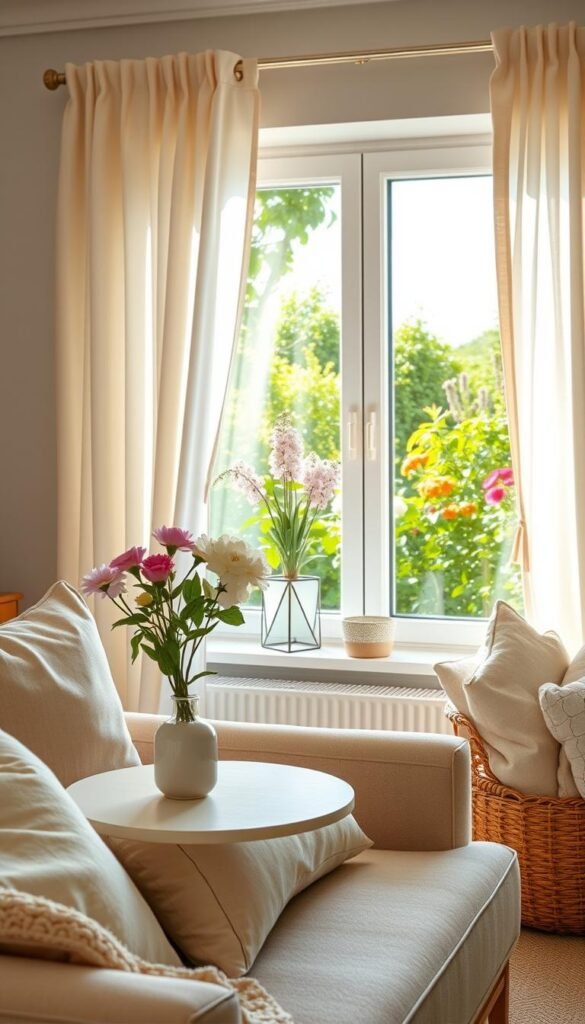
„One controlled vignette and a few washable swaps keep a home feeling renewed without adding things to store.“
Nature inside: branches, potted plants, and woven textures that feel fresh
A single stem or potted green can change how a space reads more than a dozen small objects.
Problem: a room full of small accessories can feel staged or cluttered. Natural elements add movement and a lighter look without extra storage needs.
Branch options to mimic the outdoors (real or faux)
Real branches (cherry, dogwood, crepe myrtle) work for gardeners who can clean and inspect stems for pests first. They suit consoles and dining corners where height helps the vignette.
Faux branches are best for low-maintenance homes. They store flat and last the season but need occasional dusting to stay realistic.

Plant buying tips: low-maintenance picks and pots that won’t leak
Choose easy plants like snake plant, pothos, or ZZ for busy schedules. Pick pots with saucers or use a non-leaking liner and a stable base to protect floors and surfaces.
- Clean real stems thoroughly and check for pests before bringing them in.
- Use a saucer or cachepot for any plant to prevent drips.
- Add one woven item — a rattan tray or small basket — to introduce complementary textures without clutter.
| Choice | Maintenance | Storage / Notes |
|---|---|---|
| Real branches | Trim, check for pests | Short-term; compost after season |
| Faux branches | Dust occasionally | Store flat; reusable |
| Ceramic pot + saucer | Careful watering | Stable; attractive |
| Plastic pot in cachepot | Easy drainage | Leak-safe; lightweight |
Who should choose which: pick real branches and live plants if scent and growth matter. Choose faux options and a woven accent when storage, travel, or low upkeep is the priority. For more on how to bring natural touches indoors, see creative ways to bring nature inside.
Finishing touches that change the vibe fast: scent, candles, and small swaps
Scent and tiny swaps can turn a near-ready room into one that truly feels refreshed. Many rooms still feel winter-coded after bigger updates because smell and small textiles were left unchanged.
Choose scent profiles and formats
Citrus and fresh florals read bright and clean. For homes with pets or sensitivities, pick low-VOC reed diffusers or soy-based candles with short burn times.
Small apartments: diffusers are set-and-forget and gentle. In larger living areas, a few well-placed candles add both scent and mood without overpowering the room.

Candles or diffusers: which is best?
Candles are decorative accents that give immediate scent and light. Diffusers deliver consistent scent with less upkeep.
| Format | Maintenance | Best for |
|---|---|---|
| Candle | Trim wick; replace when spent | Vignettes, short gatherings, visual touch |
| Reed diffuser | Flip reeds monthly; refill bottle | Small apartments, pet-sensitive homes |
| Electric diffuser | Clean reservoir; refill oil | Controlled strength, timed runs |
Micro-swaps that make a difference
Swap three small items to change mood without clutter:
- Kitchen towels — pick washable, quick-dry linen or cotton. They add color and are practical.
- A lighter rug — choose a washable runner or low-pile mat for easy cleaning.
- One tabletop accent — a bowl of citrus, a single candle, or a simple vase keeps surfaces intentional.
Pros: low cost and immediate payoff. Cons: too many small pieces create clutter—use a strict “one in, one out” rule.
„Choose scent plus neutrals if the room already has color; add one textile pop if the space is neutral.“
- Pick one scent format (candle or diffuser) and a citrus or floral oil.
- Replace kitchen towels and swap one small tabletop accent.
- Lay down a washable rug or runner.
- Follow the one-in, one-out rule to avoid extra storage.
- If you want more ideas, see a short guide to simple spring updates.
Conclusion
Close with a simple rule: edit first, add one or two high-impact swaps, and only take on a weekend project that solves a real need for the room.
For renters: prioritize reversible moves — washable textiles, tabletop prints, removable hooks, and one contained vignette. For small spaces: limit accents to zones and pick items that stack or nest.
Start here: pillows and a vase plus a tray give the quickest lift. For function, begin with an entry system or kitchen herbs to add useful plants and storage.
Buy a sturdy tray, a narrow-neck vase, and washable covers. Skip bulky seasonal things. Keep upkeep simple: weekly stem swaps, a quick surface reset, and refresh scent when it fades. See a short list of simple spring ideas to finish with confidence.